


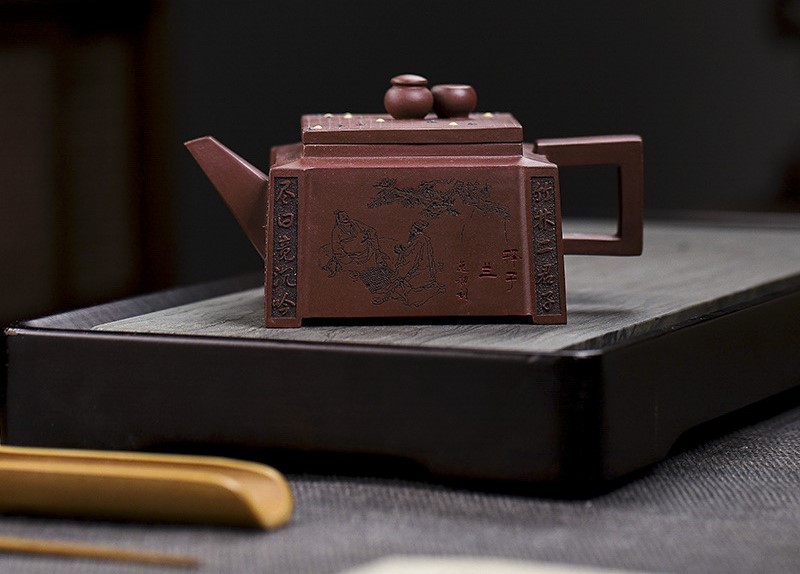
For a true tea lover, some objects are more than just tools. They are companions on a journey of flavor. The Yixing purple clay teapot is one such object. It is not merely a vessel for brewing; it is a partner that grows with you, enhancing every cup of tea. Is a Yixing teapot worth it? This ultimate guide will answer that question, revealing everything you need to know about this treasured piece of chinese tea ware. Discover your perfect Yixing companion at .
What Makes Yixing Purple Clay So Special?
The magic of a Yixing purple clay teapot begins with its material. This isn’t just any clay. Found only in the region of Yixing in China’s Jiangsu province, this unique substance, known as Zisha, is the heart of the teapot’s legendary status.
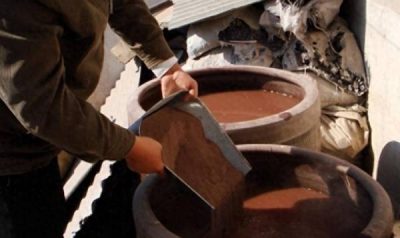
The Unique Porous Clay from Yixing, China
What really sets Zisha clay apart is its unique mineral composition and porous structure. Unlike porcelain or glass, Yixing clay has a double-pore structure. This means the clay can breathe. This porosity allows the teapot to absorb the oils and aromatic compounds from the tea with each brewing session.
A Rich History Spanning Centuries
The tradition of the handmade clay teapot from Yixing dates back to the Song Dynasty, but it truly flourished during the Ming Dynasty (1368-1644). For centuries, artisans have passed down their skills, creating teapots that are not just functional but also works of art. Owning one is like holding a piece of living history.
Understanding the “Breathing” Pot Phenomenon
The “breathing” nature of the pot is central to its function. As the teapot absorbs tea oils, it starts to build up its own internal seasoning. Over time, it is said that a well-seasoned Yixing teapot can brew a flavorful tea with just hot water, having retained the essence of countless previous infusions. This unique quality makes each teapot deeply personal.
The Top 3 Benefits of Brewing with a Yixing Teapot
So, why should you invest in one? The yixing teapot benefits go far beyond its beautiful appearance. They directly impact the quality of your tea.
Benefit 1: Enhanced Flavor and Aroma of Your Tea
The porous clay does more than just absorb; it also enhances. It has the remarkable ability to round out the harsher notes in a tea, softening any bitterness or astringency. This results in a brew that is noticeably smoother, richer, and more full-bodied. The aroma also becomes more concentrated and complex.
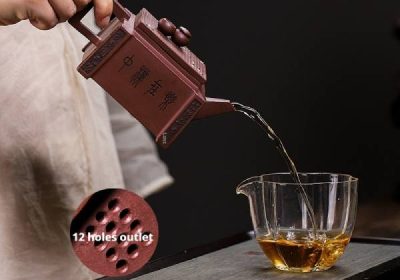
Benefit 2: Superior Heat Retention for a Perfect Brew
Yixing clay has excellent heat retention properties. This means the water temperature inside the pot remains stable and consistent throughout the brewing process. This is crucial for extracting the full range of flavors from teas like oolong and puerh, which require high temperatures for optimal infusion.
Benefit 3: Developing a Personal Patina Over Time
With each use, your Yixing teapot will gradually develop a beautiful, subtle sheen known as a patina. This lustrous surface is built from the tea oils and is a visual testament to your tea journey. It’s a deeply rewarding process that makes the teapot uniquely yours, reflecting the teas you’ve enjoyed over the years.
How to Choose Your First Handmade Clay Teapot: A Buyer’s Guide
Knowing how to choose the right pot is key. Here are four simple steps to guide you when you decide to buy yixing teapot.
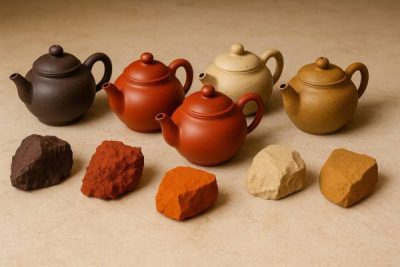
Step 1: Consider the Type of Clay (Zini, Hongni, Duanni)
Zisha is a family of clays. The three main types are:
-
Zini (Purple Clay): The most common type, excellent for a wide range of teas, especially oolongs and puerh.
-
Hongni (Red Clay): A rarer clay with high iron content, known for its ability to bring out high-aromatic notes in tea.
-
Duanni (Fortified Clay): A lighter, beige-colored clay that is great for green teas and lighter oolongs.
 Step 2: Check the Craftsmanship and Lid Fit
Examine the overall craftsmanship. The lines should be smooth, the spout should pour cleanly, and the handle should feel comfortable. Most importantly, check the lid fit. It should be snug, with very little wiggle room. A well-fitted lid is a hallmark of a quality handmade teapot.
Step 3: Choose the Right Size and Shape for Your Tea
Think about how you brew. If you typically drink alone, a smaller pot (under 150ml) is ideal. The shape also matters. High, tall pots are generally better for fragrant teas, while shorter, wider pots are great for teas that need to expand, like rolled oolongs.
Step 4: Listen to the Sound and Feel the Texture
Gently tap the pot. A high-quality Yixing pot should produce a clear, high-pitched sound, not a dull thud. The surface should feel smooth but not artificially slick. It should have a slightly sandy, natural texture that feels good in your hands.
Seasoning and Caring for Your New Yixing Teapot
Your relationship with your teapot begins with its first use. Proper care will ensure it serves you well for a lifetime.
The Important Ritual of Seasoning Your Teapot (Kai Hu)
Before its first use, you must perform the seasoning teapot ritual, known as Kai Hu. This process cleans the pot of any clay dust and prepares it to absorb tea. A simple method is to rinse the pot thoroughly, then submerge it in a clean pot of water and gently simmer it for about an hour. After it cools, it’s ready for its first brew.
Daily Care: Simple Rules for a Lifetime of Use
Caring for your pot is simple:
-
Never use soap or detergent. This will strip the seasoning you’ve worked so hard to build.
-
Rinse with hot water only after each use and let it air dry completely with the lid off.
-
Dedicate one pot to one type of tea (e.g., one for oolongs, one for puerh) to maintain the purity of its seasoning.
More Than a Teapot, It’s a Lifelong Companion
A Yixing purple clay teapot is far more than just a piece of chinese tea ware. It is an investment in your tea practice, a functional piece of art, and a companion that evolves with you. Each brew adds to its character, and its beautiful patina tells the story of your personal tea journey.
Ready to begin a lifelong relationship with a teapot that grows with you? Discover your Yixing companion at today.
FAQ: Your Yixing Teapot Questions Answered
Is a Yixing teapot good for all types of tea?
While you can use it for any tea, a Yixing teapot truly shines with oolong, puerh, and black teas. Its heat retention and porous nature beautifully enhance the complex aromas and rich flavors of these varieties. We recommend using glass or porcelain for delicate green or white teas to preserve their fresh notes.
How can you tell if a Yixing teapot is real?
Authenticity is a major concern. Look for good craftsmanship, a precise lid fit, and the characteristic clear sound when tapped. A real pot will also absorb water quickly, showing a noticeable dark spot that dries evenly. Buying from a reputable vendor who understands the material is the best way to ensure you get a genuine piece.
Why do Yixing teapots get shiny over time?
That beautiful shine is the patina. It’s formed by the tea oils gradually seeping into the porous clay over hundreds of brews. This luster is a sign of a well-loved and well-cared-for pot, and it is highly prized by any dedicated tea lover.
Where can I buy an authentic handmade clay teapot?
The best place to buy an authentic handmade clay teapot is from a specialized and trusted vendor. At