

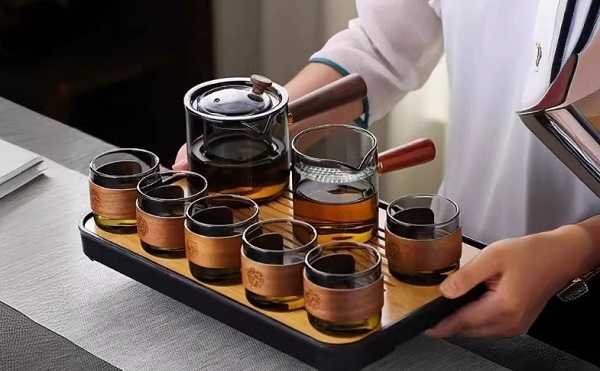
When you hear “Gongfu Tea,” you might picture tiny cups and a complex, formal performance. While those are part of it, the true essence is often misunderstood. What is the meaning of Gongfu Cha? It’s less about rigid rules and more about a mindful approach to brewing. This guide will unlock the true art of Gongfu tea, showing you it’s an accessible practice, not just a ceremony. Ready to transform your tea experience? .
Gongfu Cha Explained: The Pursuit of “Best Effort” Tea
At its heart, understanding Gongfu Cha begins with its name. It is the key to unlocking its entire philosophy. This is the first step in any proper gongfu brewing guide.
It’s a Method, Not a Rigid Ritual
While there are traditional steps, Gongfu tea is not a strict, unchangeable ritual. It is a flexible brewing method. The goal is always the same: to control variables like temperature, time, and water volume to create a perfect cup. It’s a conversation between you and the tea, adapting your technique to suit the specific leaves you are brewing.
Gongfu vs. “Grandpa Style”: Key Differences in Brewing
To truly understand the gongfu tea vs regular tea distinction, let’s compare it to the simplest method: “grandpa style,” where you drop leaves into a large mug and add hot water.
Difference 1: Small Vessels, High Tea-to-Water Ratio
Gongfu brewing uses small vessels, like a Gaiwan or a small Yixing teapot, and a much higher proportion of tea leaves to water. This concentration allows for a rich, intense extraction of flavor that you simply cannot achieve in a large mug.
Difference 2: Multiple, Rapid Infusions
Instead of one long steep, Gongfu involves many short, quick infusions. The first steep might be only 15-20 seconds. Each subsequent infusion reveals a new layer of the tea’s character, creating a dynamic tasting experience where the flavor evolves with every cup.
Difference 3: A Focus on Aroma, Texture, and “Cha Qi”
This method isn’t just about taste. It emphasizes appreciating the “gai xiang” (lid aroma), the texture or “kou gan” (mouthfeel) of the brew, and even the subtle energy of the tea, known as “Cha Qi.” It engages all your senses.
The Soul of Gongfu: A Philosophy of Mindfulness and Respect
Beyond the physical steps, Gongfu tea is a practice in mindfulness. It’s an invitation to slow down in a fast-paced world. This is the core of the chinese tea ceremony.
Being Present with Your Tea
The focused actions of rinsing the leaves, pouring the water, and timing the steep demand your full attention. This process helps quiet the mind, pulling you into the present moment. Worries fade away as you focus on the simple, beautiful task at hand.
Respect for the Leaf, the Ware, and the Moment
Gongfu Cha fosters a sense of respect. You respect the tea leaves, acknowledging the farmer’s hard work and the long journey from the mountain. You respect your tea ware, handling each piece with care. Most importantly, you respect the moment you’ve set aside for this practice.
Finding Your “Peaceful Hour” Through Brewing
This mindful practice is the perfect way to find your “peaceful hour.” It’s a dedicated time for yourself, away from screens and distractions. It is a meditative act that calms the spirit and centers the mind, one small cup at a time.
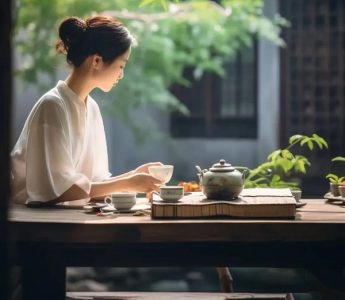
Essential Tools for Your First Gongfu Brewing Guide
What do you need for a Gongfu tea ceremony? Getting started is simpler than you think. You only need a few key pieces.
A Brewing Vessel: The Gaiwan or a Small Yixing Teapot
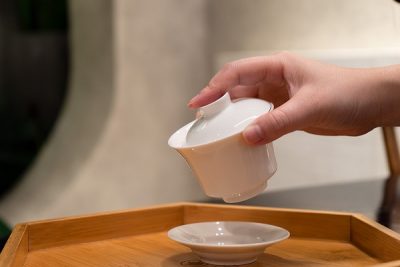
Your main tool is a brewing vessel. A Gaiwan (a lidded bowl) is a versatile and affordable starting point. A small Yixing teapot is another excellent choice, especially for oolong and puerh teas.
The Pitcher: A “Fairness Cup” (Gong Dao Bei)
The brew is first poured into a small pitcher, called a Gong Dao Bei or “fairness cup.” This ensures that the tea from the start and end of the pour are mixed, so every cup served has the exact same strength and flavor.
The Cups: Small and Ready for Appreciation
Small tasting cups are used to concentrate the aroma and encourage you to savor each sip. Their size is intentional, prompting a slower, more appreciative pace.
Optional but Helpful: A Tea Tray (Cha Pan)
A tea tray, or cha pan, is designed to catch any spilled water or tea. It keeps your brewing area clean and organized, allowing you to focus on the process without worry. Ready to begin your practice? .
Your Invitation to the World of Gongfu Tea
What is Kung Fu tea? It is a mindful practice, a skillful method, and a gateway to deeper flavor. It is an invitation to slow down, to pay attention, and to transform a simple cup of tea into a rich sensory experience. It’s a skill anyone can learn and a peaceful moment everyone deserves.
The journey of Gongfu tea begins with a single, mindful brew. and discover your own peaceful hour.
FAQ: Common Questions About the Chinese Tea Ceremony
What is the best tea for a Gongfu ceremony?
High-quality oolong teas, such as Wuyi Rock Oolong and Phoenix Dancong, are classic choices for Gongfu brewing. Their complex, layered aromas unfold beautifully over multiple infusions. Puerh and some black teas also perform exceptionally well with this method.
Is Gongfu tea difficult to learn?
The basics are not difficult at all! While mastery takes time (that’s the “gongfu” part), anyone can learn the fundamental steps in an afternoon. The key is to start simple and focus on being present rather than on perfecting every detail.
Do I need an expensive tea set to start?
Absolutely not. You can begin a fulfilling Gongfu practice with a simple, affordable Gaiwan and a few cups. The quality of your tea is more important than the price of your kung fu tea set. As you grow in your practice, you may decide to invest in other pieces.
How long does a Gongfu tea session take?