


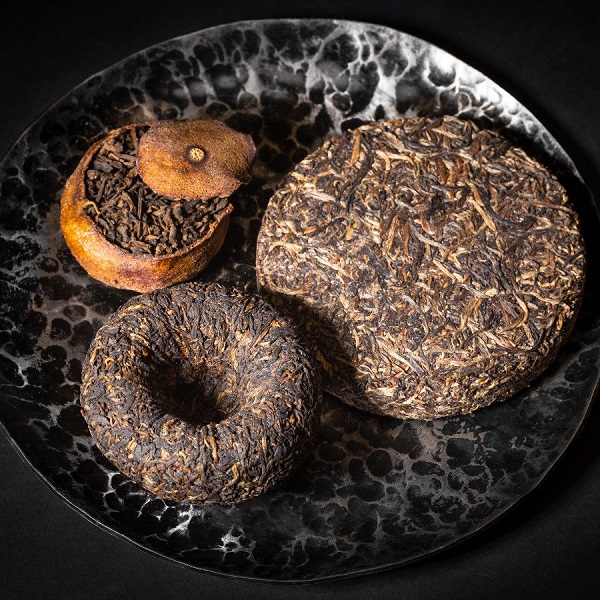
Puerh tea can seem mysterious, even intimidating. With its compressed cakes, talk of vintages, and unique flavors, it’s a world apart from other teas. What is puerh tea, really? Think of it less as a simple beverage and more like a fine wine—it’s alive, evolving, and gets better with age. This guide is your map to demystifying puerh dark tea, helping you explore its aged flavors with confidence. Your journey starts now. .
Unlock the World of Puerh: Your Guide to Aged Flavors
Welcome to one of the most fascinating corners of the tea world. Unlike any other tea, Puerh is a living product, a dark tea that transforms over time, developing incredible complexity. This guide will break down the essentials: what it is, the two major types, and how to store, taste, and appreciate this unique tea. We’ll turn confusion into curiosity and help you buy puerh tea like a seasoned enthusiast.
What is Puerh? The Only Tea That Gets Better with Age
Before we dive into the details, let’s establish the foundation. Puerh is a unique category of fermented tea, a true specialty from a specific part of the world.
The Origin: Yunnan Province, China
All authentic Puerh tea comes from the large-leaf tea variety found in Yunnan Province, China. This region’s unique climate, ancient tea trees, and rich soil provide the perfect raw material for a tea that is destined for aging. It is the designated terroir for this special tea.
The Secret: Post-Fermentation and Microbial Magic
What truly defines Puerh is post-fermentation. After the initial processing, the tea leaves are not finished. They are exposed to beneficial microbes from the environment, which continue to break down and transform the compounds in the leaves over months, years, or even decades. This microbial activity is the secret behind Puerh’s signature earthy flavor and its ability to improve with age.
Sheng vs. Shu: The Two Faces of Puerh Dark Tea
What is the difference between Sheng and Shu Puerh? This is the most crucial distinction for any Puerh beginner. They are two different paths to creating an aged dark tea.
Sheng (Raw) Puerh: The Path of Slow, Natural Aging
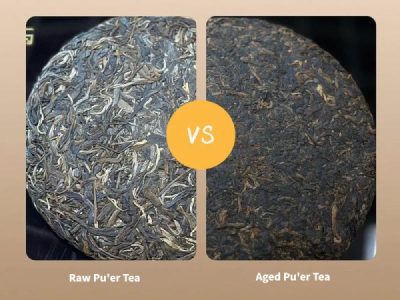
Sheng Puerh is the traditional style. After being processed and often compressed into a puerh tea cake, it is left to age naturally. A young Sheng can be vibrant, astringent, and almost like a strong green tea. Over many years, it mellows, becoming smoother, deeper, and more complex, developing notes of honey, camphor, and aged wood.
Shu (Ripe) Puerh: The Accelerated, “Cooked” Method
Developed in the 1970s, Shu Puerh undergoes a “wet piling” process that accelerates fermentation. This technique mimics decades of natural aging in just a few months. The result is a tea that is dark, smooth, and earthy from the very beginning. It’s a fantastic entry point for those new to Puerh’s unique taste.
Tasting the Difference: Vibrant and Punchy vs. Smooth and Earthy
The simplest way to think about the sheng vs shu puerh debate is this: Sheng is a journey of transformation you witness over time, starting bright and finishing mellow. Shu is a destination, offering that classic, smooth, and earthy Puerh character right away.
The Magic of Aging: Why a Puerh Tea Cake’s Vintage Matters
Like wine, the puerh vintage, or year of production, is a key piece of information. It tells you how long the tea has been on its aging journey.
How Flavor Evolves Over Years
As a Puerh ages, its flavor profile changes dramatically. The initial sharp or grassy notes of a young Sheng Puerh will soften. They evolve into deeper flavors of dried fruit, leather, and forest floor. The texture becomes thicker and smoother. Each year adds a new layer of complexity.
Is Older Always Better? A Look at Value and Taste
Is older Puerh always better? Not necessarily. While very old Puerh is rare and valuable, personal preference is key. Some people love the vibrant energy of a 5-year-old Sheng, while others prefer the deep, comforting calm of a 20-year-old Shu. Proper storage is often more important than age alone.
A Beginner’s Guide to Storing Your Puerh Tea Cake
How do you store a puerh tea cake? Proper storage is essential to allow your tea to age gracefully. It’s simpler than you think.
Rule 1: Let It Breathe (Avoid Airtight Containers)
Because Puerh is alive with microbes, it needs airflow. Storing it in an airtight container will halt the aging process. Keep it in its original paper wrapper or in a container that allows for some air exchange, like a cardboard box or a clay jar.
Rule 2: Keep Away from Strong Odors
Tea leaves are highly absorbent. Never store your puerh tea cake in the kitchen next to spices, coffee, or other strong smells. These odors will permanently taint the flavor of your tea. A clean bookshelf or a dedicated cabinet is a much better choice.
Rule 3: Find a Spot with Moderate, Stable Humidity
Your tea needs a little humidity to age well, but not too much. A range of 50-70% humidity is ideal. Avoid storing it in a damp basement or a bone-dry, climate-controlled room. Consistency is key.
How to Taste Puerh Tea: Embracing Earthy & Woody Notes
What does puerh tea taste like? Approaching Puerh requires an open mind. You’re not looking for the floral notes of an oolong, but for a different kind of complexity.
The Aroma: From Earth and Old Books to Sweet Dates
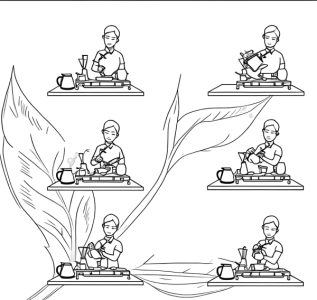
The aroma can be complex. You might smell damp earth after rain, old libraries, camphor wood, or even sweet dried dates. Take time to smell the dry leaf, the wet leaf, and the empty cup to appreciate its full aromatic range.
The Flavor: Look for Smoothness and Complexity
A good Puerh should have a noticeable lack of bitterness or harshness. The dominant flavor is often an earthy flavor, but it should be clean, not muddy. Look for underlying notes of wood, dark fruit, or even a hint of medicinal herbs.
The Aftertaste (Hui Gan): A Lingering Sweetness
One of the hallmarks of a quality Puerh is its Hui Gan, or returning sweetness. After you swallow, a pleasant, lingering sweetness should emerge in your throat. This satisfying aftertaste is a key part of the experience.
Your Puerh Journey Awaits
Puerh tea is not just a drink; it’s a hobby, a conversation, and a journey through time. From the vibrant youth of a Sheng to the deep comfort of a Shu, there is a whole world to explore in each puerh tea cake. Don’t be intimidated by its depth; embrace it. Your adventure into the world of aged dark tea is just beginning.
Whether you’re drawn to the vibrant potential of Sheng or the comforting smoothness of Shu, your journey into aged tea starts here. .
FAQ: Your First Puerh Tea Questions Answered
What are the health benefits of aged dark tea?
Many people drink Puerh for its potential health benefits. It is traditionally known in Chinese culture to aid in digestion, making it a popular after-meal tea. The fermentation process also creates unique compounds, and many drinkers find it has a soothing, grounding effect. These are some of the main puerh tea benefits.
Why does my puerh tea sometimes smell “fishy” or “musty”?
This is a common concern, especially with Shu (Ripe) Puerh. A “fishy” or unpleasant musty smell can be a sign of poor-quality fermentation or improper storage. A good quality Shu Puerh should smell earthy and clean, like a forest floor or rich soil, not swampy or off-putting.
How do I break a piece from a puerh tea cake?
You will need a Puerh pick or a small, dull knife. Insert the pick into the side of the cake and gently pry upwards to loosen a chunk of leaves. Try to break off layers rather than stabbing down into the center to keep the leaves as whole as possible.
Where is the best place to buy puerh tea online?
Where is the best place to buy puerh tea online? Look for a vendor that provides detailed information about the tea’s origin (region and mountain), vintage, and whether it’s Sheng or Shu. A trusted source like