


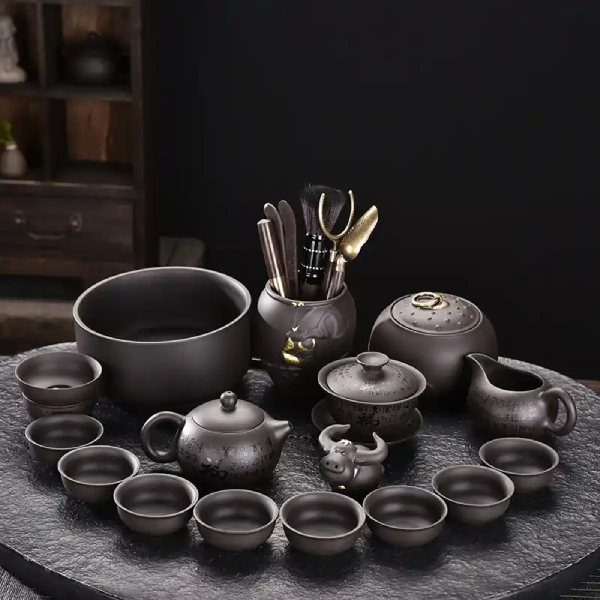
The Gaiwan is a symbol of elegance in the world of tea. This simple, lidded bowl looks beautiful, but for many beginners, it can be intimidating. How do you hold a Gaiwan without burning yourself? This is often the first question asked. Fear not. This step-by-step guide is designed to teach you how to use a gaiwan with confidence and grace. You’ll soon find it’s one of the most versatile and rewarding pieces in your kung fu tea set.
Master the Gaiwan: Brew Tea Like a Pro (Without Burning Your Fingers)
Learning gaiwan brewing transforms your tea sessions. It allows you to connect more deeply with the leaves and control every aspect of the infusion. Many are hesitant, worried about spills or hot fingers. This guide will walk you through a simple, effective method. We will cover everything from holding the Gaiwan correctly to pouring a perfect stream of tea. Soon, you’ll be brewing like a pro.
First, What is a Gaiwan and Why Should You Use One?
Before we get to the “how,” let’s quickly cover the “what” and “why.” Understanding the tool makes using it much more intuitive.
The Three Parts: Lid, Bowl, and Saucer
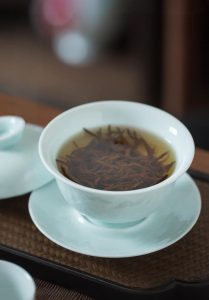
A Gaiwan consists of three parts: a saucer to catch drips and provide a stable base, a bowl to hold the leaves and water, and a lid. The lid is the most important part; it traps heat and aroma, and, as you’ll see, it’s also your built-in strainer. These three gaiwan parts work in perfect harmony.
The Benefits: True Flavor and Aroma Control
Why should I use a Gaiwan? There are two main gaiwan benefits. First, because it’s typically made of porcelain, it doesn’t absorb flavors like a clay teapot. This means you can taste the “true” profile of any tea you brew in it. Second, it gives you incredible aroma control. The wide opening lets you easily smell the wet leaves, and the lid traps fragrant steam, which you can savor before each sip.
A Step-by-Step Guide to Your First Gaiwan Brewing
This gaiwan tutorial breaks the process down into five easy steps. Follow along, and you’ll be brewing in no time.
Step 1: Warm the Gaiwan and Your Cups
Start by filling your Gaiwan with hot water. Let it sit for about 10-15 seconds. This preheats the vessel, ensuring the water temperature doesn’t drop suddenly when you start brewing. Pour this water from the Gaiwan into your pitcher and cups to warm them as well, then discard the water.
Step 2: Add Your Dry Tea Leaves
Place your desired amount of dry tea leaves into the now-warm, empty Gaiwan. Gently shake the Gaiwan and lift the lid to smell the aroma of the heated dry leaves. This is the first step in appreciating your tea’s fragrance.
Step 3: The “Awakening” Rinse
Quickly pour hot water over the leaves until they are just covered, then immediately pour the water out. This “awakening” rinse cleans the leaves of any dust and begins to open them up, preparing them for the first proper infusion. This rinse is not for drinking.
Step 4: The First Infusion and How to Time It
Now, begin your first real infusion. Pour hot water over the leaves again, filling the bowl to about 80-90% full. Place the lid on top. For many oolong or puerh teas, this first steep can be very quick—as short as 10-20 seconds. This is a key part of simple gaiwan brewing.
Step 5: The Pour – How to Hold a Gaiwan Correctly
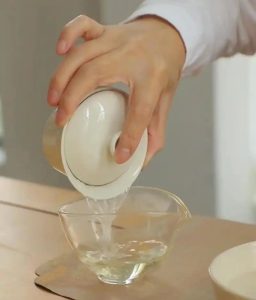
This is the most important step. Use your thumb and middle finger to hold the rim of the bowl. Place your index finger firmly on the knob of the lid. Tilt the lid slightly to create a small opening. Now, confidently tilt the entire Gaiwan to pour the tea into your pitcher. This is the classic gaiwan how to hold method.
Pro Tips for Perfecting Your Gaiwan Technique
Once you have the basic steps down, these tips will elevate your tea brewing practice.
Tip 1: The Secret to Not Burning Your Fingers
The key is to hold the Gaiwan by its flared rim, not the body of the bowl. The rim stays much cooler. Also, do not overfill the Gaiwan with water. Leaving about 1cm of space at the top ensures the hot water line is well below where your fingers are holding the rim.
Tip 2: Use the Lid to Filter Tea Leaves
The opening you create by tilting the lid acts as your strainer. A smaller opening will filter out smaller leaf particles but result in a slower pour. A larger opening allows for a faster pour. Adjust the size of the opening based on your tea leaves to perfect how to pour from gaiwan.
Tip 3: Don’t Forget to Smell the Lid (Gai Xiang)
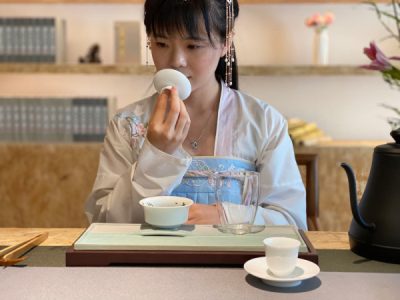
After you pour out the tea, the inside of the lid will be coated with the most concentrated and purest aroma of the brew. This is called Gai Xiang (lid fragrance). Make it a part of your mindful practice to smell the lid after each infusion to notice how the aroma evolves.
Practice Makes Perfect, Your Journey Starts Now
Learning how to use a gaiwan is a skill, and like any skill, it improves with practice. Don’t be discouraged if your first few attempts are a bit clumsy. Every session will build your confidence. Soon, the movements will become second nature, a seamless and graceful dance between you, the tea, and your beautiful tea ware.
The best way to learn is by doing. Ready to start your practice? .
FAQ: Your Gaiwan Brewing Questions Answered
What is the best tea to brew in a Gaiwan?
A Gaiwan is incredibly versatile and works well for almost any type of Chinese tea. It is especially fantastic for oolongs and puerh teas, as it allows you to appreciate how their complex flavors change over multiple short infusions. It’s also ideal for tasting new teas because its neutral material gives you the truest flavor.
My hands are small, is there a special way to hold it?
Yes. If the standard hold feels too wide, you can try an alternative. Place your index fingers from both hands on the lid knob, and use your thumbs to lift the saucer from underneath. This two-handed method provides excellent stability and keeps your hands far from the hot bowl.
Is a Gaiwan better than a teapot?
It’s not better, just different. A Gaiwan offers more control over the brew and provides a more accurate representation of a tea’s flavor. A Yixing teapot is better for retaining heat and enhancing the texture of certain teas over time. Many serious tea drinkers use both for different purposes.
Where can I buy a good quality Gaiwan to start with?
When looking for a kung fu tea set, it’s important to find a Gaiwan that fits your hand comfortably and has a well-made, snug lid. At