

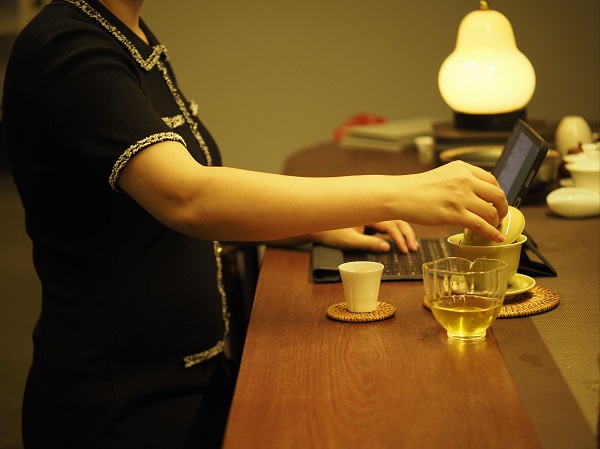
Have you ever sipped a remarkable tea and thought, “This is delicious!” but struggled to explain why? You’re not alone. Learning how to taste tea like a professional is the key to deepening your appreciation. How can I describe tea flavor? This guide is designed for chinese tea for beginners and enthusiasts alike. We will provide you with a simple, systematic method and the right tea tasting vocabulary to turn your feelings into words.
Unlock the Flavor: Your Guide to Professional Tea Tasting
Moving from simply “drinking” tea to truly “tasting” it unlocks a new world of enjoyment. This guide provides the tools for professional tea tasting at home. You don’t need a golden palate, just a curious mind and a structured approach. We will teach you how to analyze a tea flavor profile, understand its nuances, and articulate your experience, making every cup more rewarding.
Why Active Tasting Matters: From Drinking to Appreciating
Why bother with a formal tasting method? Active tasting transforms your relationship with tea in two significant ways.
Understanding Value and Craftsmanship
When you can identify specific notes, textures, and a lingering aftertaste, you begin to understand the immense skill and effort behind a premium tea. You start to appreciate the terroir, the harvest time, and the tea master’s craftsmanship. This knowledge helps you understand why some teas are more valuable than others.
Becoming a Smarter Tea Buyer
Once you have the language to describe tea flavor, you become a more confident buyer. You can identify what you truly enjoy—do you prefer nutty, roasted notes or bright, floral aromas? This allows you to explore new teas with purpose and find varieties you are more likely to love.
The 3-Step Method for a Complete Tea Flavor Profile
The core of gongfu tea tasting can be broken down into three simple tea tasting steps. Practice these with every tea you drink.
Step 1: Observe the Form (Guan Xing) – The Visuals
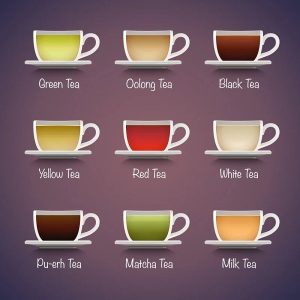
Before you even add water, look at the dry leaves. Are they whole or broken? Tightly rolled or elegantly twisted? Note their color and sheen. Then, observe the color of the tea liquor itself. Is it a pale, clear yellow or a deep, rich amber? The visual aspect is the first chapter of the tea’s story.
Step 2: Appreciate the Aroma (Wen Xiang) – The Scent
The aroma is a huge part of the experience. There are three key moments to appreciate it:
-
Dry Leaf Aroma: Smell the leaves in your warmed teapot or gaiwan.
-
Wet Leaf Aroma: After a quick rinse, the heated, wet leaves release their most intense fragrance.
-
Lid Aroma (Gai Xiang): After pouring an infusion, smell the inside of the gaiwan lid. This captures the purest essence of the tea.
Step 3: Savor the Taste (Pin Wei) – The Palate
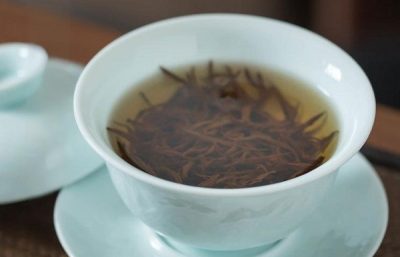
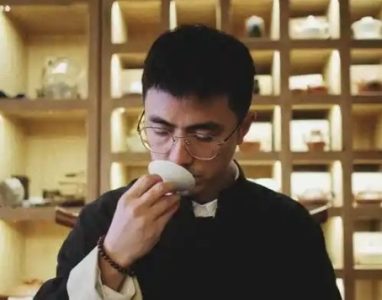
Now, take a sip. Don’t just swallow it. Let the tea coat your entire tongue and the inside of your mouth. Slurp a little air over it to aerate the liquid and release more volatile compounds. Pay attention to the initial taste, the texture, and what happens after you swallow.
Building Your Tea Tasting Vocabulary: Describing What You Taste
This is where you give words to your sensations. Here is a simple vocabulary to get you started.
Aroma & Flavor Notes (Floral, Fruity, Nutty, Earthy, etc.)
Try to identify specific notes. Don’t worry about being “right,” just what it reminds you of.
-
Floral: Orchid, osmanthus, rose, gardenia.
-
Fruity: Peach, apricot, lychee, dried plum.
-
Nutty/Roasty: Toasted almond, walnut, roasted chestnut, caramel.
-
Earthy/Woody: Damp forest floor, old books, cedarwood, camphor.
-
Vegetal/Marine: Fresh-cut grass, seaweed, steamed spinach.
Texture & Mouthfeel (Smooth, Thick, Creamy, Astringent)
How does the tea feel in your mouth? The mouthfeel is just as important as the taste.
-
Smooth/Silky: No harshness, glides easily.
-
Thick/Viscous: Has a noticeable weight or body.
-
Creamy: A rich, almost milky texture.
-
Astringent: A drying, puckering sensation on the cheeks, common in some young teas.
The Aftertaste (Hui Gan and Hui Yun)
What happens after you swallow is crucial.
-
Hui Gan : This is a returning sweetness that emerges in the back of your throat. It is a hallmark of high-quality tea.
-
Hui Yun : This is a lingering “rhyme” or resonance of the tea’s primary aroma that remains in your mouth and nasal cavity long after drinking.
Your Next Cup is Your First Tasting Session
Learning how to taste tea is not an exclusive skill reserved for experts. It is a mindful practice available to everyone. Start with your very next cup. Use these three steps, try to find one or two words from the vocabulary list, and be patient with yourself. The more you taste actively, the more your palate will develop, and the deeper your love for tea will become.
Ready to put your new skills to the test? A complex tea with evolving flavors is the best way to practice. .
FAQ: Your Tea Tasting Questions Answered
Do I need a special “tasting set” to start?
Not at all. While professional tasters use standardized sets, a simple porcelain Gaiwan is the perfect tool for a beginner. Its neutral material won’t alter the tea’s flavor, and its white color allows you to clearly see the liquor’s true hue, making it ideal for learning.
What is the most important step for a beginner to focus on?
For a beginner, the most impactful step is appreciating the aroma (Step 2). So much of what we perceive as “taste” is actually smell. Take a moment to really smell the dry leaves, the wet leaves, and the empty cup. This will immediately deepen your experience.
What does “Hui Gan” actually mean?
What does Hui Gan mean? It literally translates to “returning sweetness.” It is a physiological sensation where a distinct, pleasant sweetness emerges in your throat and on your tongue a few seconds after you’ve swallowed the tea. It is not a sugary taste but a deep, satisfying sweetness that is a sign of high-quality raw material.
How can I practice and improve my palate?