


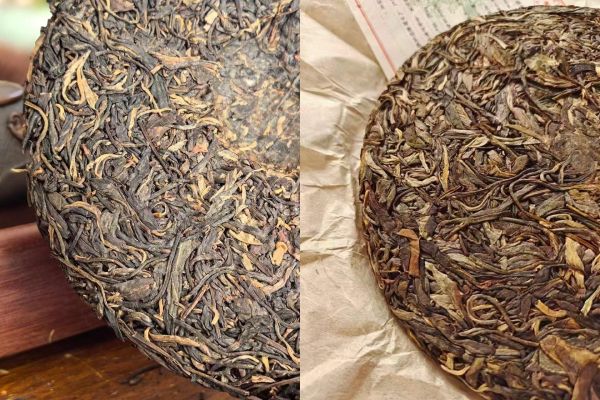
In the captivating world of Puerh tea, no topic sparks more debate than vintage. The common belief is simple: the older the tea, the better—and the more expensive. But is older Puerh always better? The truth is far more nuanced. This guide will help you decode the meaning of a puerh tea vintage, understand what truly creates value, and become a smarter, more confident Puerh buyer.
Decoding Puerh Vintages: A Guide to Age, Flavor & Value
When you see a year on a Puerh tea cake, it’s a doorway to its story. But that number is just one chapter, not the whole book. To truly appreciate an aged puerh cake, you must look beyond the date. We will explore the real factors that contribute to a Puerh’s flavor and value, empowering you to buy puerh tea based on knowledge, not just a number on the wrapper.
What a “Vintage” on a Puerh Tea Cake Actually Means
What does a Puerh vintage mean? Before we can debate its importance, we must first define it correctly.
The Year of Harvest and Production
The vintage on a Puerh cake simply refers to the year the tea leaves were harvested and pressed into their final shape. For example, a cake marked “2006” was made from leaves picked and processed in 2006. It tells you how long the tea has been on its aging journey.
Distinguishing from the Age of the Tea Tree
It is crucial not to confuse the vintage with the age of the tea tree (gu shu). A 2020 vintage cake can be made from 300-year-old tea trees. The vintage tells you the age of the product, while the tree age speaks to the quality of the raw material.
The Evolution of Flavor: How an Aged Puerh Cake Transforms
Time does work magic on Puerh, but the transformation is different for its two main types. What does aged Puerh taste like?
Young Sheng Puerh: Bright, Astringent, and Floral
A young Sheng (Raw) Puerh (1-5 years old) is often punchy and vibrant. It can have a pleasant bitterness, astringency, and bright floral or fruity notes, much like a powerful green tea. Its energy is high and its potential is still locked within.
Aged Sheng Puerh: Smooth, Deep, and Camphoric
After 10-20 years of proper aging, that same Sheng Puerh transforms. The astringency mellows into a thick, smooth texture. The bright notes deepen into complex flavors of aged wood, camphor, dried fruit, and a profound earthy sweetness.
Aged Shu Puerh: Earthy, Woody, and Mellow
A Shu (Ripe) Puerh is designed to taste aged from the start. As it gets older, it doesn’t transform as dramatically as Sheng. Instead, it refines. The initial “wet pile” aroma dissipates, and the flavors become cleaner, smoother, and more integrated, deepening its comforting earthy and woody character.
Beyond the Year: 3 Factors More Important Than Age
Now we come to the central point. If you want to how to choose puerh vintage, you must understand that these three factors are often more critical than the age itself. What’s more important than age in Puerh?
Factor 1: The Quality of the Raw Material (Mao Cha)
This is the most important factor. You cannot turn bad raw material into good aged tea. A Puerh made from high-quality, old-tree (gu shu) mao cha will have a depth, complexity, and lingering aftertaste (hui gan) that a plantation tea can never achieve, regardless of how long it’s aged. A 10-year-old cake from great material will almost always be better than a 20-year-old cake from poor material.
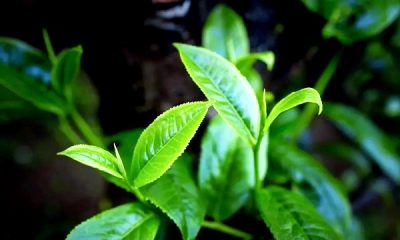
Factor 2: The Storage Conditions
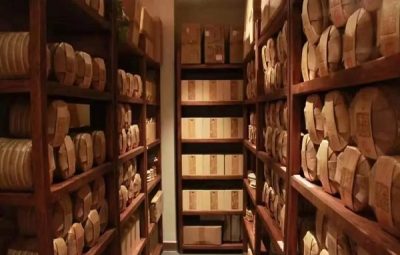
Storage is everything. A Puerh cake needs to be stored in an environment with moderate, stable humidity and temperature, and away from any strong odors. A 15-year-old tea stored perfectly will be a treasure. The same tea stored in a damp, musty basement or a dry, sealed plastic bag will be ruined. Good storage allows the tea to breathe and age gracefully.
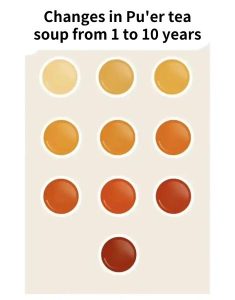
Factor 3: Your Personal Palate Preference
Ultimately, the “best” tea is the one you most enjoy drinking right now. Some people love the powerful, energetic character of a younger Sheng Puerh. Others prefer the calm, deep, and comforting profile of a well-aged Shu. The number on the wrapper doesn’t matter if the flavor doesn’t appeal to your personal palate.
Case Study: Comparing a 2006 vs. a 2009 Puerh Tea
Let’s look at two examples from our shop.
The 2006 Menghai Banzhang: Deep and Powerful
A tea from 2006 has had significant time to age. It will likely present deeper, more mellow characteristics. The initial youthful sharpness has likely transformed into a smoother, thicker body with prominent notes of aged wood and a profound, lasting sweetness.
The 2009 Banzhang Premium: Vibrant and Aromatic
While still well-aged, a 2009 tea is three years younger. It might retain more of its vibrant energy. The aroma could be more forward and aromatic, with the initial transformation into aged notes just beginning. It offers a glimpse into both the tea’s youthful power and its aged potential.
Judge the Tea, Not Just the Number
So, is older Puerh better? The answer is: only if it started with great material and was stored correctly. A puerh tea vintage is an important guidepost, but it is not the destination. The true value of an aged puerh cake lies in its flavor, its texture, and the feeling it gives you. Trust your palate, be curious, and judge the tea in your cup, not just the number on the label.
The best way to understand vintage is to taste it. and start your own tasting comparison.
FAQ: Your Puerh Vintage Questions Answered
What is considered the “best” puerh year or vintage?
There is no single “best” year, unlike in some wine regions. The quality of Puerh is far more dependent on the specific mountain, the quality of the raw material from that season, and the skill of the producer. Focus on reputable producers and regions rather than chasing a specific “magic” year.
How much should I expect to pay for an aged puerh cake?
The puerh value varies wildly. A young, good-quality cake might start around 80−80−100. A genuinely well-stored cake over 15-20 years old from a famous region can easily cost several hundred or even thousands of dollars. Be wary of “bargain” prices for very old teas, as storage or material quality may be compromised.
Does Shu (Ripe) Puerh benefit from aging as much as Sheng (Raw) Puerh?
Sheng Puerh undergoes a more dramatic and profound transformation with age. Shu Puerh also benefits from aging, but the change is more about refinement. The initial “wet pile” storage flavor dissipates, and the tea becomes smoother and cleaner. A few years of aging can greatly improve a Shu, but it won’t change as fundamentally as a Sheng.
Where can I buy authentic puerh tea with reliable vintage information?
It is essential to buy puerh tea from a trusted specialist vendor who is transparent about their sourcing. At , we provide clear information on the region, vintage, and type (Sheng or Shu) for each of our aged puerh cakes