


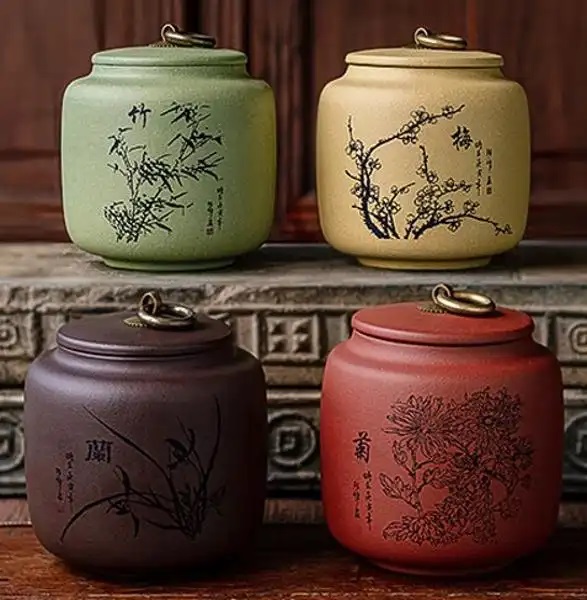
You’ve invested in a beautiful, high-quality loose leaf tea. The first few cups are magnificent—aromatic and full of flavor. But a few weeks later, it tastes flat and lifeless. The problem isn’t the tea; it’s the tea storage. Learning how to store tea properly is the most critical step to protect your investment and ensure every cup is as delicious as the first. This guide will show you how to keep tea fresh.
Protect Your Investment: The Ultimate Tea Storage Guide
Buying premium tea is just the first step. Proper storage is what preserves its delicate aromas and complex flavors. Improper storage can ruin even the finest tea in a matter of weeks. This guide will teach you the fundamental principles of tea storage, from the universal rules to the specific needs of different tea types. You will learn the best way to store loose leaf tea and protect it from its greatest enemies.
Know Your Enemy: The 4 Things That Ruin Fresh Tea
To protect your tea, you first need to know what you’re fighting against. There are four main enemies that will degrade the quality of your tea leaves.
Enemy #1: Light
Sunlight and even strong artificial light can cause the chemical compounds in tea leaves to break down. This leads to a loss of flavor and aroma. This is why you should never store tea in a clear glass jar on your countertop.
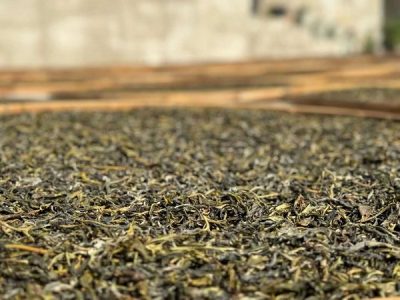
Enemy #2: Heat
Heat accelerates oxidation and can “cook” the delicate leaves, destroying their nuanced flavors. Never store your tea near a stove, on top of the refrigerator, or in any spot that gets warm.
Enemy #3: Moisture
Tea leaves are dry and will readily absorb moisture from the air. Moisture leads to mold and completely ruins the tea. Even a small amount can make the tea taste stale and musty.
Enemy #4: Odors
Tea leaves are like sponges for smells. Storing your tea near coffee, spices, or in a fragrant kitchen cabinet will cause it to absorb those odors, permanently tainting its original flavor profile.
General Rules for Storing Loose Leaf Tea
For most teas, following these three simple rules is the best way to store loose leaf tea and will make a huge difference.
Use an Airtight, Opaque Container
The ideal home for your tea is a container that protects it from all four enemies. An airtight container will keep out moisture and odors. An opaque one (not see-through) will block out light. This is why specialized tea storage canisters are so popular.
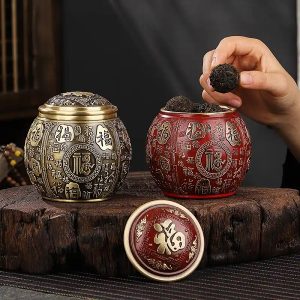
Store in a Cool, Dark, and Dry Place
The classic advice is the best advice. A kitchen pantry or a cabinet that is away from the stove and direct sunlight is a perfect location. The key is consistency—avoid places with fluctuating temperatures.
Buy Smaller Quantities More Often
Tea is best when it’s fresh. Rather than buying a huge bag that will sit around for a year, it’s better to buy smaller amounts that you’ll use within a few months. This ensures you are always drinking your tea at its peak.
Specific Storage Needs: Not All Teas Are Created Equal
While the general rules apply to most, some tea types have very specific needs. This is especially true when it comes to storing puerh tea vs green tea.
For Green and Yellow Teas: Preserve Freshness Above All
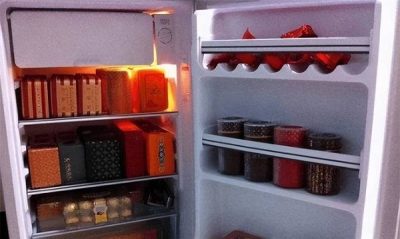
The goal for storing green tea and yellow tea is to preserve its vibrant freshness and prevent oxidation. An airtight, opaque container is absolutely essential. For maximum freshness, long-term storage in the refrigerator is recommended (more on that below).
For Oolong and Black Teas: Keep Them Dry and Stable
These teas are more stable than greens due to their higher oxidation levels. They do not need to be refrigerated. The main priority is keeping them in an airtight container in a cool, dark, and dry place to protect them from moisture and odors.
For Puerh and Aged White Teas: Let Them Breathe
This is the big exception to the “airtight” rule. Puerh and white teas that are meant for aging need to breathe. They rely on slow, continued interaction with the air to develop their complex, aged flavors. Store them in a location with some airflow, away from odors, and in their original paper wrappers or a clay jar. Never seal them in an airtight container.
The Big Question: Should You Refrigerate Your Tea?
Should I refrigerate my tea? This is a common but tricky question. Here is the simple answer.
Yes, for Delicate Green Teas (with caution)
For delicate, high-grade green teas like Japanese Gyokuro or some Chinese spring harvests, refrigeration is the best way to preserve freshness for long-term storage (6+ months). However, you must use a completely airtight container to prevent moisture and odors from the fridge from ruining the tea.
No, for Oolongs, Black, and Puerh Teas
Never refrigerate oolongs, black teas, or puerh teas. The cool, moist environment can be harmful to their flavor profile and can introduce unwanted condensation. These teas are best stored at a stable room temperature.
A Little Care Goes a Long Way
Proper tea storage doesn’t need to be complicated. By understanding the four enemies of tea—light, heat, moisture, and odors—and choosing the right container, you can easily protect your favorite leaves. A little bit of care ensures that the delicious, aromatic tea you purchased stays that way, allowing you to enjoy its full value down to the very last cup.
Now that you know how to protect your tea, you can confidently explore new varieties. .
FAQ: Your Tea Storage Questions Answered
Does loose leaf tea go bad? What is the shelf life?
Does tea go bad? It doesn’t “spoil” in a way that becomes unsafe to drink, but it can lose its flavor and become stale. The shelf life varies: delicate green teas are best within 6-12 months. Oolongs and black teas can be good for 2-3 years. Puerh and some white teas are meant to be aged and can last for decades, improving with time.
What is the best material for a tea storage canister?
The best material for a tea canister is one that is opaque and non-reactive. Ceramic, tin, or stainless steel canisters with a good airtight seal are all excellent choices. Avoid clear glass unless you plan to store the jar inside a dark cabinet.
Can I store different teas together in the same cabinet?
Yes, as long as each tea is in its own separate, well-sealed airtight container. This will prevent their strong aromas from mixing. Never store loose teas from different bags together in a single canister.
How do I know if my tea has gone bad?