



In our modern world, we can enjoy any food or drink at any time of year. But there is a deep wisdom in aligning our consumption with the rhythm of nature. This is especially true in the world of tea. This guide to seasonal tea explores the traditional practice of choosing your brew based on the time of year, helping you find the perfect cup for every season.
Drinking with the Seasons: A Guide to Choosing Your Tea Year-Round
The practice of tea and seasons pairing is rooted in a philosophy of balance and harmony. It’s about listening to what our bodies need during different times of the year and choosing a tea that supports that need. This guide will walk you through the traditional choices for spring, summer, autumn, and winter, explaining the “why” behind each selection and helping you build a perfect year-round tea cabinet.
The Philosophy: Why Drink Seasonally?
This practice is more than just a quaint tradition; it’s based on two powerful ideas.
Aligning with Nature’s Energy
Just as nature has cycles of birth, growth, harvest, and rest, so too does our own energy. Drinking seasonally is about matching the energy of the tea to the energy of the season. We drink light, vibrant teas when nature is awakening in spring, and deep, warming teas when nature is dormant in winter.
A Nod to Traditional Chinese Medicine (TCM)
The principles of Traditional Chinese Medicine (TCM) also play a key role. In TCM, foods and drinks are classified by their energetic properties (e.g., cooling, warming, neutral). The goal is to consume things that balance the body against the external climate. For example, we combat summer heat with “cooling” teas and winter cold with “warming” teas.
The Best Tea for Spring: Awakening and Renewal
Spring is a time of new growth and awakening. Our bodies are coming out of winter hibernation and crave freshness.
Why We Crave Fresh and Floral Teas
As the world turns green, we naturally desire flavors that reflect that vibrancy. Light, fresh, and floral teas help to awaken the senses and clear out the sluggishness of winter.
Top Tea Choice: Green Tea & Light Oolongs
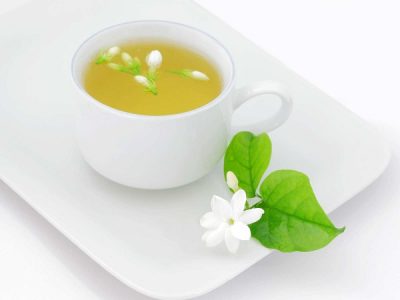
The best tea for spring is undoubtedly Green Tea. Its fresh, vegetal, and lively character is a perfect match for the season’s energy. Lighter, more floral oolongs, like a Phoenix Dancong, are also an excellent choice, mirroring the blossoming flowers of spring.
The Best Tea for Summer: Cooling and Refreshing
Summer is a season of high heat and abundant energy. The goal is to cool the body and stay hydrated.
Combating Heat with Cooling Teas
According to TCM principles, some teas have a “cooling” energetic property, even when served hot. They are believed to help clear heat from the body.
Top Tea Choice: White Tea & Young Sheng Puerh
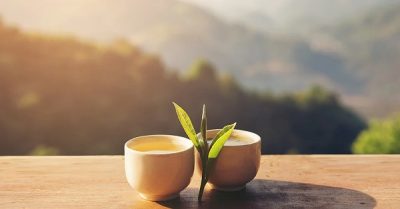
What is the best tea for summer? White Tea is a fantastic choice. It is minimally processed and considered to be cooling in nature. A young, vibrant Sheng (Raw) Puerh is another excellent option, known for its refreshing quality and ability to quench thirst.
The Best Tea for Autumn: Transition and Nourishment
Autumn is a time of transition. The weather cools, and the air becomes drier. We need teas that are nourishing and help our bodies adjust.
A Time for Medium-Bodied, Aromatic Teas
This is the season to move away from the light teas of summer towards something with more body and a comforting aroma. The goal is to find a balance between refreshing and warming.
Top Tea Choice: Roasted Oolongs
Oolong Tea, especially medium-roasted varieties like Wuyi Rock Oolong, is the perfect autumn tea. Its roasty, nutty, and mineral notes are incredibly comforting on a crisp day. It has enough body to be satisfying without being as heavy as a black tea.
The Best Tea for Winter: Warming and Comforting
Winter is the season of rest, storage, and cold. We need teas that generate internal warmth and provide deep comfort.
Generating Inner Warmth with Rich Teas
Fully oxidized and fermented teas are considered to have a “warming” energy. Their deep, rich flavors are like a cozy blanket on a cold day.
Top Tea Choice: Black Tea & Ripe Shu Puerh
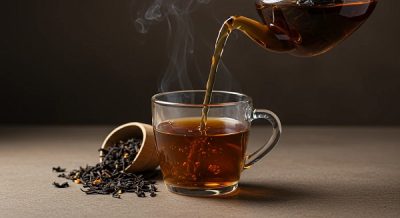
What tea to drink in winter? Black Tea is the classic choice. Its rich, malty, and sweet profile is deeply warming and satisfying. A well-aged, earthy Shu (Ripe) Puerh is another perfect tea for winter, with its smooth, dark liquor and grounding energy.
A Cup for Every Season
Aligning your tea drinking with the seasons is a beautiful way to connect more deeply with nature and your own body. It transforms your daily cup from a simple habit into a mindful ritual that is part of a larger, natural cycle. It’s a key part of a holistic tea lifestyle.
Your next cup is an opportunity to connect with the season. to find the perfect brew for today.
FAQ: Your Seasonal Tea Questions Answered
Do I have to follow these rules strictly?
Not at all! These are traditional guidelines, not strict rules. The most important thing is to listen to your own body and drink what you enjoy. If you crave a cooling white tea in the middle of winter, you should absolutely drink it!
Can I drink green tea in the winter?
Of course. While it’s considered a “cooling” tea, you can still enjoy green tea in the winter. You might find that you prefer a nuttier, more roasted green tea during the colder months, or you can simply enjoy the fresh contrast it provides.
What about Yellow Tea? Where does it fit?
Yellow tea, with its mellow and smooth character, is quite neutral. It’s often enjoyed in late spring and early autumn, acting as a perfect bridge between the seasons.
Where can I find a variety of teas for all seasons?
To build a good seasonal tea collection, you need a source that offers high-quality examples from all six categories. At