


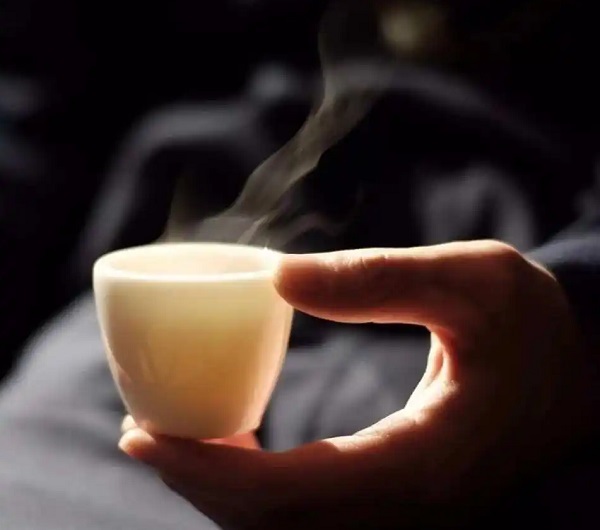
In our fast-paced world, the search for a moment of quiet can feel like a quest. We look for a “pause” button to escape the constant noise and pressure. What if that button was already sitting in your kitchen cabinet? Tea and meditation are natural partners, and a simple cup can become a powerful tool for mindfulness. This guide will show you how to meditate with tea and truly find your peaceful hour.
Your Cup of Calm: A Guide to Tea as a Mindfulness Practice
You don’t need a special cushion or a silent retreat to find your center. The simple act of brewing and drinking tea, when done with intention, becomes a form of meditation. A mindfulness tea practice engages all your senses, anchoring you in the present moment. This guide will provide a simple, accessible tea ritual to help you turn your daily brew into a cup of calm.
Why Tea is the Perfect Partner for Meditation
Why is tea good for meditation? The connection is both scientific and sensory.
The “Calm Alertness” of L-Theanine
Tea contains a unique amino acid called L-theanine. This remarkable compound is known to promote a state of “calm alertness” by increasing alpha brain waves, which are associated with relaxed focus. It works synergistically with tea’s caffeine to provide energy without the jitters, creating the perfect mental state for meditation.
Engaging All Five Senses
A proper mindfulness practice involves anchoring yourself in the present by focusing on your senses. Tea is a perfect tool for this. You see the leaves unfurl, hear the water pour, smell the rising steam, feel the warmth of the cup, and taste the complex flavors. This sensory engagement naturally pulls your mind away from distractions.

The 5 Steps of a Mindful Tea Ritual
Here is a simple, five-step ritual to get you started. Remember, the goal is not perfection, but presence.
Step 1: Preparing Your Space and Your Mind
Find a quiet corner. Put your phone away. Take a few deep breaths to signal to your body that it’s time to slow down. The simple act of choosing your teaware and boiling water can become part of the ritual itself.
Step 2: Appreciating the Dry Leaves
Before you do anything else, place the dry leaves in your warmed pot or gaiwan. Close your eyes and bring it to your nose. What do you smell? Is it grassy, floral, or roasty? Notice the shape and color of the leaves. This is your first point of connection.
Step 3: Listening to the Sound of Water
As you pour the hot water over the leaves, listen. Pay attention to the sound it makes as it hits the leaves and fills the vessel. Watch the steam rise. This simple auditory focus can be incredibly grounding.
Step 4: Focusing on the Aroma and Warmth
Pour the tea into your cup. Before you drink, hold the cup in your hands and feel its warmth. Bring it to your nose and inhale the rich aroma of the brewed tea. Notice how it might be different from the smell of the dry leaves.
Step 5: Savoring Each Sip with Full Attention
Take a small sip. Let the tea coat your tongue. What flavors do you notice first? What is the texture, or mouthfeel? Swallow and pay attention to the aftertaste and the feeling in your throat. Try to keep your full attention on these sensations for the entire cup.
Choosing the Right Tea for Your Meditation Session
Different teas can support different meditative goals.
For Calm and Relaxation: White Tea or a Soothing Oolong
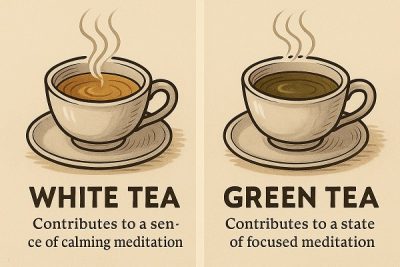
If your goal is to find calm and reduce stress, choose a tea that is naturally soothing. A delicate White Tea or a fragrant, floral Oolong are excellent choices. Their gentle flavors and aromas promote a sense of peace, making them wonderful calming teas.
For Focus and Clarity: Green Tea or Sheng Puerh
If your meditation goal is to sharpen your focus and clear your mind, a vibrant Green Tea or a young Sheng (Raw) Puerh can be a great partner. Their lively character and distinct Cha Qi (tea energy) can help to create a state of alert, focused awareness.
Conclusion: You Deserve This Peaceful Hour
The beautiful thing about tea and meditation is its accessibility. It doesn’t require special training, only your presence. By transforming your daily brew into a mindful ritual, you are giving yourself a profound gift. You are carving out a space in your day dedicated entirely to your own well-being. You truly do deserve this peaceful hour.
Give yourself the gift of tranquility. The path to your peaceful hour is waiting in your next cup. .
FAQ: Your Tea and Mindfulness Questions Answered
How long should a tea meditation session be?
It can be as short as five minutes or as long as an hour. Even the time it takes to mindfully drink a single cup is beneficial. The duration is less important than the quality of your attention during that time.
Do I need a special setup for this?
No. All you need is a cup and your tea. While a full Gongfu set can enhance the ritual, the practice of mindfulness can be done with the simplest of tools. The focus is on your inner state, not the outer setup.
What if my mind keeps wandering?
What if my mind wanders? That’s completely normal—it’s what minds do! The practice is not about having a perfectly empty mind. It’s about noticing when your mind has wandered and gently, without judgment, bringing your attention back to the tea—its warmth, its smell, its taste.
Which teas are best for reducing anxiety and stress?
Many people find teas with high levels of L-theanine to be the most effective tea for anxiety