

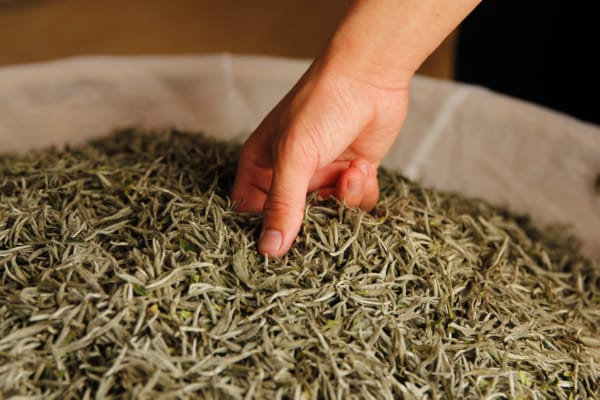
When we enjoy a cup of exquisite tea, we often praise the terroir—the mountain, the soil, the climate. But we sometimes forget the most crucial element: the human hand. The transformation from a fresh leaf into the aromatic, complex tea in your cup is not an accident of nature. It is the result of the skill, wisdom, and intuition of a tea master. This guide explores the art of tea craftsmanship and the vital role of these unsung heroes.
Beyond the Leaf: The Crucial Role of the Tea Master
A great tea begins with great leaves, but it is perfected by a great maker. The role of a tea master (zhì chá shī, 制茶师) is to understand the potential hidden within each batch of fresh leaves and to make hundreds of critical decisions to unlock it. They are the bridge between nature and the finished product, and their skill is what defines a truly exceptional handmade tea.
What is a Tea Master? More Than a Farmer, More Than an Artist
What is a tea master? The term goes far beyond simply “tea maker.” A true master embodies multiple roles.
A Custodian of Tradition
They are the keepers of ancestral knowledge, often passed down through generations within their family. They understand the unique characteristics of their local tea cultivars and the traditional processing methods that have been refined over centuries.
A Scientist of Oxidation and Withering
A tea master is also a scientist in practice. They must intuitively understand chemistry and biology. They judge the exact level of moisture in the air, the temperature of the wok, and the smell of the withering leaves to perfectly control the rate of oxidation and enzymatic reactions.
The Critical Steps: Where a Tea Master’s Skill Shines
How is tea made by hand? While the specific tea processing steps vary, a master’s touch is crucial at every stage.
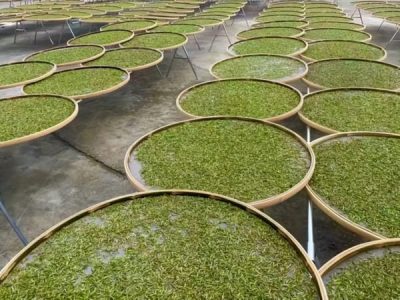
Step 1: Withering (Knowing When the Leaves are Ready)
The master must decide exactly how long to wither the fresh leaves. Too little, and the grassy notes will be too strong; too much, and the leaves lose their freshness. They judge this by touch and smell, an instinct born from years of experience.
Step 2: “Fixing” or “Kill-Green” (Controlling the Enzymes)
This step, often involving pan-firing, halts oxidation. The master controls the temperature and timing with incredible precision. A few seconds too long can scorch the leaves, while a few seconds too short can result in a dull, lifeless tea.
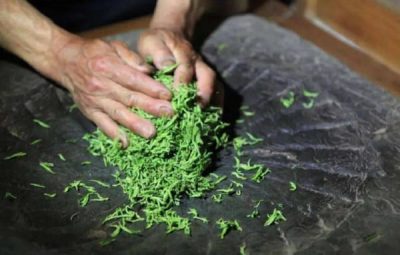
Step 3: Rolling & Shaping (Creating the Form and Flavor)
The rolling and shaping process breaks down the cell walls of the leaves to release their aromatic oils. The master applies just the right amount of pressure to achieve this without tearing the leaves, a delicate balancing act that machines cannot replicate.
Step 4: Roasting & Drying (The Final Touch)
For many teas, especially oolongs, the final roast is where the master’s signature is truly applied. They use charcoal and bamboo baskets, carefully controlling the heat to bake out any remaining moisture and develop the tea’s final, complex flavor profile, from floral notes to deep, roasty ones.
Handmade vs. Machine-Made Tea: Why Craftsmanship Matters
Why is handmade tea better than tea made by a machine? The difference lies in one word: adaptability.
The Ability to Adapt to the Leaves
A machine follows a set program. A tea master, however, can adapt to the unique conditions of each and every batch. They can adjust their technique based on the day’s humidity, the quality of the fresh leaves, and the specific character they want to achieve.
The Preservation of Whole, Unbroken Leaves
Hand processing is far gentler on the leaves. This results in more whole, unbroken leaves, which not only look more beautiful but also produce a cleaner, more complex, and less bitter brew.
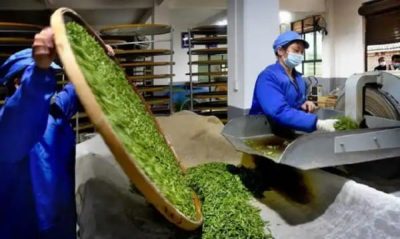
The Creation of More Complex Flavors
This ability to make micro-adjustments at every stage allows a tea master to coax out a much wider and more complex range of flavors and aromas from the leaves. This is the tea art that separates good tea from great tea.
A Master’s Legacy: Passing Down the Knowledge
The art of tea craftsmanship is a precious cultural heritage.
A Tradition of Apprenticeship
This knowledge is rarely learned from books. It is passed down through long apprenticeships, where a student spends years, even decades, learning by observing, feeling, and doing, absorbing the master’s intuitive understanding.
Protecting an Intangible Cultural Heritage
By supporting true artisan tea, we are helping to protect this intangible cultural heritage. We ensure that these incredible skills, which create the teas we love, are not lost to mass production.
The Soul in Your Teacup
The next time you brew a cup of fine tea, take a moment to appreciate not just the leaves, but the hands that crafted them. A truly great tea contains the wisdom, experience, and intention of the tea master. It is their soul, their art, and their hard work that you are tasting in your cup.
The next time you brew a cup of fine tea, take a moment to appreciate the skill and wisdom of the tea master who crafted it. .
FAQ: Your Tea Craftsmanship Questions Answered
How can I tell if a tea is truly handmade?
Look at the leaves. Handmade tea will generally have more whole, intact leaves. The shape of each leaf might be slightly inconsistent, showing natural variation, unlike the perfect uniformity of machine-made pellets or CTC tea.
Does “handmade” always mean better quality?
In most cases for high-end tea, yes. A skilled tea master can achieve a level of quality that a machine cannot. However, a “handmade” tea from a poor or inexperienced maker can still be of low quality. The skill of the master is paramount.
Are there famous tea masters, like there are famous chefs?
Yes, absolutely. Within the tea industry in China, certain tea masters are legends, and the teas they produce are highly sought after and command very high prices. They are revered for their skill and their family’s long tradition of tea making.
Where can I buy tea that is crafted by true tea masters?
Where can I buy artisan tea? You need to find a specialized vendor that has direct relationships with producers in the tea-growing regions. At , we pride ourselves on sourcing our handmade tea