


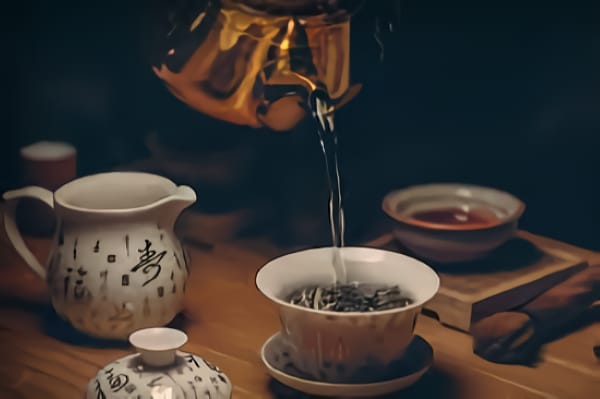
Every time you brew a cup of tea, you are taking part in a ritual that is nearly 5,000 years old. The leaves in your pot carry a story of emperors, monks, poets, and explorers. Understanding the history of Chinese tea transforms a simple beverage into a profound cultural experience. This guide will take you on a brief journey through the tea history timeline, from its mythical origins to its status as a global phenomenon.
The Story of Tea: From Ancient Legend to Global Ritual
The story of tea is the story of civilization itself. It has been used as a medicine, a currency, a subject of art, and a reason for wars. It is a cornerstone of Chinese tea culture and a daily ritual for billions around the world. To understand tea, we must travel back in time to its very beginning in the misty mountains of ancient China.
The Legendary Beginning: Shennong, the Divine Farmer (c. 2737 BC)
Who discovered tea? Legend credits the discovery to the mythical Chinese emperor and herbalist, Shennong.
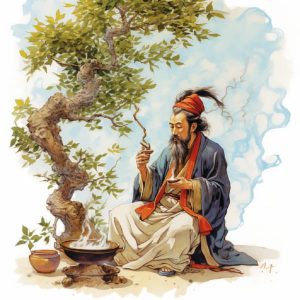
The Discovery of Tea as Medicine
As the story goes, Shennong was resting under a tree while boiling water. A few leaves from the tree, a Camellia sinensis plant, drifted into his pot. Curious, he took a sip. He found the brew to be refreshing and restorative. In his famous encyclopedia of herbs, he is said to have noted that “tea quells thirst, lessens the desire for sleep, and gladdens and cheers the heart.”
From Chewing Leaves to Simple Boiling
In its earliest days, tea was likely used as a medicinal herb, with people chewing the fresh leaves or boiling them in a simple soup. The primary function was medicinal, not recreational. The long history of tea drinking started here.
The Tang Dynasty (618–907 AD): When Tea Became an Art Form
The Tang Dynasty was a golden age for China, and it was during this period that tea transformed from a crude folk medicine into a refined art form.
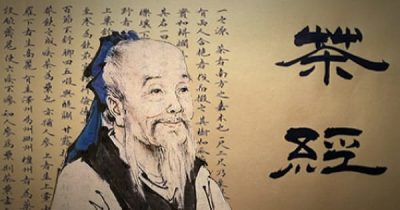
Lu Yu’s “The Classic of Tea” (Cha Jing)
The single most important event in tea history was the writing of the Cha Jing (茶经) by the scholar Lu Yu in the 8th century. It was the world’s first monograph on tea. It codified everything from the cultivation of tea plants to the proper utensils and methods for brewing. Lu Yu elevated tea to a spiritual and philosophical practice.
The Ritual of Boiling and Whisking Tea
During this era, tea was typically processed into compressed cakes. To prepare it, a piece was broken off, roasted, ground into a fine powder, and then boiled in a kettle. A pinch of salt was often added to enhance the flavor.
The Song Dynasty (960–1279 AD): The Age of Powdered Tea and Ceremony
The Song Dynasty took the art of tea to its aesthetic peak. The practice became even more refined, sophisticated, and ceremonial.
The Art of “Dian Cha” (Whisking Powdered Tea)
The Song method, called Dian Cha (点茶), was different from the Tang’s. The finely ground tea powder was placed in a bowl, and a small amount of hot water was added. The mixture was then vigorously whisked with a bamboo whisk to create a thick, frothy beverage. This is the direct ancestor of the Japanese Matcha ceremony.
The Rise of Tea Competitions (“Dou Cha”)
The love for tea became so intense that tea competitions, or Dou Cha (斗茶), were a popular pastime among the elite. Connoisseurs would compete to see who could produce the finest foam and the best-tasting brew.
The Ming Dynasty (1368–1644 AD): The Birth of Steeping and Modern Tea Ware
The Ming Dynasty marked the most significant revolution in tea preparation, one that directly led to how we drink tea today.
The Shift from Powdered to Loose Leaf Tea
The first Ming emperor, seeking a more humble approach, banned the production of compressed, powdered tea cakes for the imperial court. This single decree shifted the entire industry’s focus to producing and appreciating loose-leaf tea.
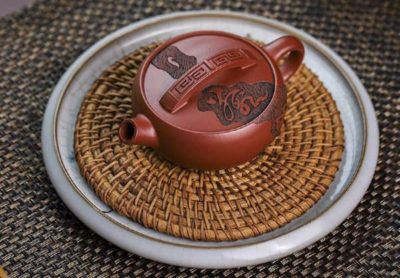
The Creation of the First Yixing Teapots
This new focus on loose leaves required a new brewing method: steeping. This, in turn, led to the invention of the perfect tool for the job—the teapot. The first Yixing teapots were created during this time, designed specifically to steep whole leaves and pour the resulting infusion. The modern era of tea was born.
The Journey to the West: How Tea Conquered the World
Having perfected its form in China, tea began its journey to the rest of the world.
The Tea Horse Road and the Silk Road
For centuries, compressed tea bricks were a primary form of currency, transported on the Tea Horse Road into Tibet and Mongolia in exchange for horses. Tea also traveled west along the Silk Road, introducing it to Central Asia and the Middle East.
Tea Arrives in Europe and the Americas
In the 17th century, Dutch and Portuguese traders brought tea to Europe, where it quickly became an aristocratic obsession, especially in Britain. It was this global demand that fueled vast trade networks and eventually led to tea being cultivated outside of China.
A Legacy in Every Cup
From a mythical discovery by an emperor to the daily ritual of billions, the story of tea is a remarkable journey. Understanding the history of Chinese tea adds a profound layer of appreciation to your daily cup. It reminds us that when we brew tea, we are not just making a beverage; we are participating in a rich, unbroken tradition that spans millennia.
Every cup of tea is a connection to this incredible legacy. Are you ready to taste a piece of history? .
FAQ: Your Tea History Questions Answered
When was tea first invented or discovered?
According to legend, when was tea invented? The discovery is attributed to Emperor Shennong in 2737 BC. While this is a legend, archaeological evidence suggests that people in China were consuming tea as far back as the Han Dynasty (206 BC – 220 AD).
Is China really the birthplace of all tea?
Yes. The tea plant, Camellia sinensis, is native to the region that is now modern-day Southwest China, Northern Myanmar, and Northeast India. However, the practice of processing and consuming it as a beverage originated and was perfected in China.
How did the different types of tea (green, black, oolong) develop?
Different tea types are the result of innovations in processing. Green tea is the oldest form, using heat to prevent oxidation. Oolong and black tea were developed later (likely in the late Ming Dynasty) when producers discovered that allowing the leaves to oxidize before drying created wonderfully different flavors and aromas.
Where can I buy teas with a rich history?
A specialized vendor is your best source. At , we pride ourselves on sourcing famous chinese teas with deep cultural and historical roots, allowing you to taste the legacy of the great tea traditions.