


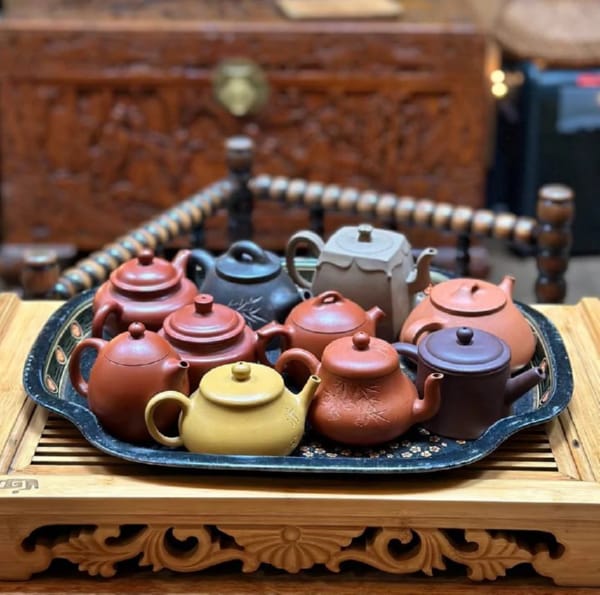
You’ve invested in beautiful teaware to elevate your tea sessions. But over time, stubborn stains can appear, and you might wonder about the best way to care for it. Learning how to clean teaware correctly is essential for both hygiene and preserving the pure taste of your tea. This tea set cleaning guide will cover the specific needs of Yixing, porcelain, and glass.
Keep Your Teaware Pristine: The Ultimate Cleaning Guide
A clean teacup is a blank canvas for your next brew. Proper teaware maintenance ensures that no leftover flavors interfere with your tasting experience and keeps your beloved pieces looking their best. How do I clean my teaware? The methods are simple, but they differ significantly depending on the material. This guide will show you how to keep your teaware in pristine condition for a lifetime of enjoyment.
The Golden Rule for All Teaware: No Soap, Ever!
Before we get into specifics, let’s establish the most important rule of all. Can I use soap on my teapot? The answer is a firm no.
Why Soap Ruins Porous and Glazed Surfaces Alike
For porous materials like unglazed Yixing clay, soap is a disaster. The clay will absorb the soap’s chemicals and fragrance, and you will taste it in your tea forever. But even for glazed porcelain and glass, strong detergents can leave behind a residue that affects the taste of your next brew.
Hot Water: Your Best Friend in Tea Ware Care
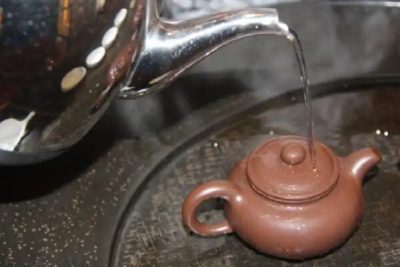
For daily cleaning of all teaware, hot water is all you need. A thorough rinse with hot water immediately after your session will remove the vast majority of tea residue and prevent stains from setting in.
How to Clean Yixing Purple Clay Teapots
Properly cleaning an Yixing pot is more about nurturing it than scrubbing it. Follow this yixing teapot care routine.
Daily Care: The Simple Rinse and Air Dry
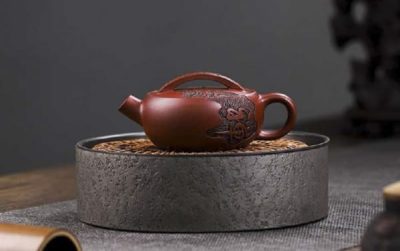
After each use, remove the spent leaves and rinse the pot thoroughly—inside and out—with only hot water. Do not use a sponge on the inside. Let it air dry completely with the lid off to prevent any musty smells from developing.
Deep Cleaning: The Boiling Method for a “Reset”
If your pot develops an off-smell or you accidentally use soap on it, you can perform a deep clean. Place the pot in a clean pot of water (ensuring it’s fully submerged) and bring it to a gentle boil for 20-30 minutes. Let it cool completely in the water. This will help to strip out unwanted residues and “reset” your pot.
How to Clean Porcelain & Ceramic Teaware
Porcelain is non-porous, but its beautiful white surface can be prone to staining over time.
Daily Rinsing to Prevent Buildup
The best way to prevent stains is to rinse your porcelain cups and pots with hot water immediately after use. Don’t let the tea sit and dry in the cup.
The Magic of Baking Soda for Tough Tea Stain Removal
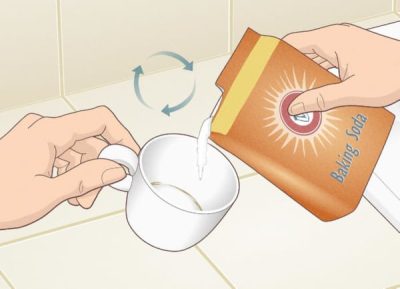
For stubborn brown tea stains, baking soda is your best friend. Make a simple paste with a little bit of baking soda and water. Gently rub this paste onto the stained areas with a soft cloth or sponge. The stains will lift away easily without scratching the glaze.
Using a Soft Cloth or Sponge (Avoid Steel Wool!)
Never use abrasive scrubbers like steel wool on your porcelain. They will create tiny scratches in the glaze, which will paradoxically make the surface stain even more easily in the future.
How to Clean Glass Teaware for a Sparking Finish
Learning how to clean glass teapot sets is all about restoring their crystal clarity.
A Paste of Baking Soda and Water for a Gentle Scrub
Just like with porcelain, a baking soda paste is the perfect, gentle abrasive for removing tea film from glass. It’s a fantastic natural tea stain remover that will leave your glass sparkling without any scratches.
A Splash of Vinegar for Hard Water Spots
If you live in an area with hard water, you might notice cloudy mineral deposits on your glass teaware. A quick rinse with a solution of white vinegar and water will dissolve these spots instantly, restoring the glass to a perfect, streak-free shine.
At a Glance: Cleaning “Do’s and Don’ts” Chart
| Material | Do | Don’t |
|---|---|---|
| Yixing Clay | Rinse with hot water; Boil for deep clean | Use soap; Scrub the inside |
| Porcelain | Rinse immediately; Use baking soda for stains | Use steel wool; Leave tea to dry |
| Glass | Use baking soda for stains; Use vinegar for spots | Use abrasive scrubbers |
A Clean Pot is a Happy Pot
Properly cleaning your teaware is a simple act of respect for your tools and your tea. It ensures that every brew is pure, delicious, and enjoyed from a beautiful, pristine vessel. By following these simple, material-specific guidelines, you can easily maintain your collection, ensuring your favorite teaware brings you joy for a lifetime.
Proper care ensures your favorite teaware can accompany you for a lifetime of beautiful tea sessions. Now that you know how to care for them, are you ready to add a new piece to your collection? .
FAQ: Your Teaware Cleaning Questions Answered
Is it okay to put my teaware in the dishwasher?
We strongly advise against it. Dishwashers use harsh detergents that can harm the teaware’s surface and leave a residue. The high heat and strong water jets can also easily cause delicate pieces to chip or break. Hand washing is always the safest and best method.
How often should I do a “deep clean” on my Yixing pot?
You should only perform the boiling “deep clean” on a clean yixing teapot when absolutely necessary—for example, if it develops a musty smell or was accidentally cleaned with soap. For a well-maintained pot, this may never be needed.
What is that brown coating inside my porcelain cup? Is it bad?
That brown coating is simply a buildup of tea tannins, also known as tea stains. It is not harmful, but it can affect the taste of your next brew. It’s a sign that the cup hasn’t been rinsed immediately after use. It can be easily removed with a baking soda paste.
Are there any natural, food-safe tea stain removers I can use?
Yes! Baking soda is the number one natural, food-safe, and effective tea stain remover