



In our demanding world, the search for sustained focus is constant. Many of us reach for coffee, only to ride a wave of jittery energy that ends in a crash. But what if there was a better way? There is. The ancient brew of tea offers a unique, scientifically-backed path to concentration. This is your guide to using tea for focus and understanding its secret weapon: L-theanine.
“Calm Alertness”: How Tea is the Perfect Drink for Focus
Have you ever noticed that drinking tea makes you feel awake and alert, but also relaxed and centered? This unique state is known as “calm alertness.” It’s the reason why monks have used tea for centuries to aid in long meditation sessions. Unlike the raw jolt of coffee, tea provides a smooth, steady stream of energy, making it the perfect beverage for work, study, and creative pursuits.
What is L-Theanine? Tea’s Unique Amino Acid
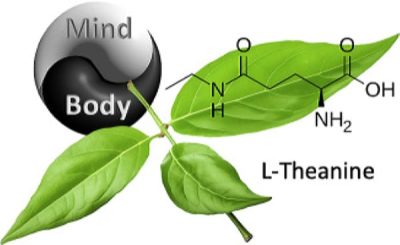
The key to tea’s unique effect is a remarkable compound that is almost exclusively found in the tea plant (Camellia sinensis). What is L-theanine?
An Amino Acid for Relaxation Without Drowsiness
L-theanine is a naturally occurring amino acid. Its primary role is to promote relaxation and reduce stress, but it does so without causing drowsiness. It helps to calm the “mental chatter” that can so often disrupt our concentration.
How It Promotes Alpha Brain Waves
Scientifically, one of the main l-theanine benefits is its ability to increase the generation of alpha brain waves. These brain waves are associated with a state of relaxed wakefulness and effortless focus—the mental state you’re in when you are “in the zone” or experiencing a “flow state.”
The “Magic Pairing”: How L-Theanine and Caffeine Work Together
Tea contains caffeine, just like coffee. But the presence of L-theanine completely changes the game. This is the core of the tea vs coffee for studying debate.
Caffeine Provides the Energy
The caffeine in tea provides the stimulant effect we all know. It blocks adenosine receptors in the brain, which helps to ward off drowsiness and increase alertness.
L-Theanine Smooths the Edges and Prevents Jitters
This is where the magic happens. L-theanine works in perfect synergy with caffeine. It smooths out the sharp, “jittery” edges of the caffeine buzz, preventing the anxiety and restlessness that many people experience with coffee.
The Result: Sustained, Focused Energy, Not a Spike and Crash
The combination of caffeine and L-theanine provides a steady, sustained release of focused energy. You get the alertness from the caffeine, guided and calmed by the L-theanine. This means no intense spike and no subsequent energy crash, just hours of productive, clear-headed focus.
The Benefits of Calm Alertness for Work and Study
Harnessing this state of calm alertness can have a real impact on your productivity and well-being.
Improved Attention and Concentration
By reducing mental distractions and promoting alpha brain waves, this state makes it easier to concentrate on complex tasks for longer periods. It’s an ideal tool for writing, coding, or studying.
Enhanced Creativity and Reduced Mental Fatigue
The relaxed state of mind can also boost creativity, allowing new ideas to flow more freely. Because the energy is smooth and sustained, you can work longer without experiencing the mental burnout that often follows intense, caffeine-fueled sessions.
A Perfect Tool for “Flow State”
The ultimate goal for any creative or productive work is achieving a “flow state,” where you are fully immersed and energized. The unique mental environment created by tea is a perfect catalyst for entering this highly desirable state.
Which Teas are Highest in L-Theanine?
Which teas are highest in L-theanine? While all true teas contain it, some are naturally richer in this compound.
Look for Shade-Grown Teas
Tea plants produce L-theanine in their roots and store it in their leaves. Sunlight converts L-theanine into catechins (antioxidants). Therefore, teas that are grown in the shade, like Japanese Gyokuro, are exceptionally high in L-theanine.
Prioritize Early Spring Harvests (First Flush)
The first tender buds and leaves of spring are the plant’s primary store of winter nutrients. Teas made from these “first flush” harvests are naturally higher in amino acids, including L-theanine.
Top Picks: High-Quality Green Teas, White Teas, and Sheng Puerh
As a general rule, teas that undergo less oxidation tend to retain more of their L-theanine. High-quality Green Tea (like Xinyang Maojian), White Tea (especially Silver Needle), and young Sheng Puerh are all excellent choices when you are looking for a tea for focus.
Upgrade Your Focus, One Sip at a Time
Tea is more than just a beverage; it’s a nootropic, a “smart drink” perfected by nature. By harnessing the powerful synergy of L-theanine and caffeine, you can replace anxious, jittery energy with a state of calm, sustained focus. It’s time to upgrade your daily ritual and your mental performance, one mindful sip at a time.
Ready to swap the jitters for a state of calm, focused energy? It’s time to upgrade your daily ritual. .
FAQ: Your Tea and Focus Questions Answered
How much tea do I need to drink to feel the effects?
The effects are often subtle. For many people, one or two strong cups (brewed Gongfu style) of a high-quality green or white tea is enough to notice a distinct shift into a state of calm alertness within 20-30 minutes.
Does adding milk or sugar affect the L-theanine?
No, unlike some antioxidants, the bioavailability of L-theanine is not significantly affected by the addition of milk or sugar. However, for the purest experience and to avoid a sugar crash, it’s always best to enjoy high-quality tea on its own.
Is there a best time of day to drink tea for focus?
The best time is when you need to perform a mentally demanding task. Many people find a cup in the morning sets a calm and productive tone for the day, while another in the early afternoon is perfect for overcoming a slump without ruining your sleep.
Can I just take an L-theanine supplement instead?