


Why is my tea bitter? It’s a frustrating experience, but the good news is that the problem is almost never the tea itself. This tea troubleshooting guide will walk you through the most common brewing mistakes and show you how to make tea less bitter.
Tea Troubleshooting: 3 Common Mistakes That Make Tea Bitter
Nine times out of ten, a bitter brew is not a sign of bad tea, but a sign of an unbalanced extraction. You have simply pulled too many of the bitter-tasting compounds out of the leaf. By mastering the three key variables—Temperature, Time, and Ratio—you can learn how to brew any tea without bitterness.
Mistake #1: Your Water is Too Hot
This is the number one cause of bitter tea, especially bitter green tea.
The Golden Rule for Green Tea: Never Use Boiling Water!
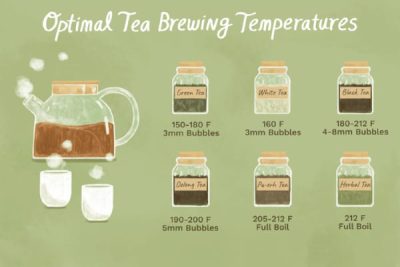
Delicate teas like green, white, and yellow teas are easily scorched. Pouring 100°C (212°F) boiling water directly onto them is like putting a delicate piece of fish on a searing hot grill—it will burn. This instantly releases a flood of bitter-tasting tannins and catechins.
How High Temps Burn Delicate Leaves
The sweet, delicate, and savory compounds in green tea (amino acids) dissolve at lower temperatures. The bitter compounds dissolve at higher temperatures. By using cooler water (around 80°C / 175°F), you extract all the sweetness without releasing an overwhelming amount of bitterness.
Mistake #2: You’re Steeping It for Too Long
The second most common mistake is over-steeping. Brewing tea is all about extraction over time.
Understanding Extraction Over Time
The longer the leaves are in contact with the water, the more compounds they will release. The sweet, aromatic compounds are released first. The more bitter, astringent compounds take longer to dissolve. If you steep for too long, you go past the sweet spot and start extracting an excess of these bitter elements.
The Gongfu Secret: Short, Multiple Infusions
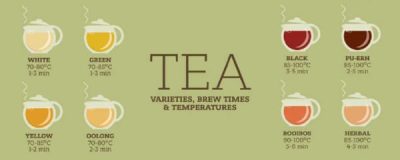
This is why the Gongfu method is so effective at brewing tea without bitterness. By using more leaf and doing many short infusions (some as quick as 10-15 seconds), you extract the delicious flavor in concentrated bursts without ever steeping long enough to draw out excessive bitterness.
Mistake #3: Your Tea-to-Water Ratio is Too High
Using too much tea for the amount of water can also lead to a bitter cup.
More Leaf Doesn’t Always Mean More Flavor
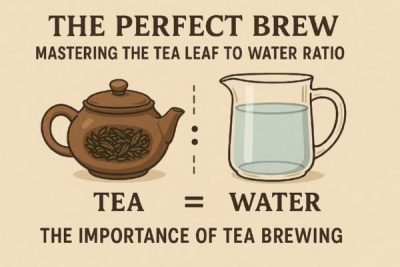
While you want a good amount of leaf for a full-bodied brew, using a massive amount of tea in a small vessel can make the brew overwhelmingly concentrated and intense. It becomes very difficult to control the infusion, and the resulting tea can be harsh and bitter.
How to Adjust the Amount of Tea for a Balanced Cup
If you find your tea is consistently too strong, simply try using a little less leaf. Start with a baseline (e.g., 5-7 grams for a 100ml vessel) and adjust from there. A small change in the amount of leaf can have a big impact on the final taste.
How to Fix Bitter Tea: A Quick Rescue Guide
So you’ve already made a bitter cup. Is it a lost cause? Not necessarily. Here’s how to fix bitter tea.
The Dilution Method: Simply Add More Hot Water
The easiest solution is to simply dilute the brew. Pour your bitter tea into a larger cup and add some more hot (not boiling) water. This will reduce the concentration of the bitter compounds and can often make the tea much more palatable.
The “Iced Tea” Method: Shocking it Cold
Bitterness is often more pronounced when a tea is hot. A quick way to save a bitter brew is to pour it over a large glass of ice. Chilling the tea rapidly can mellow out the harsh notes and turn your mistake into a refreshing iced tea.
You Are in Control of the Bitterness
The most empowering thing to learn in your tea journey is that you are in control. Bitterness is not a fixed quality of a tea; it’s a variable that you can manage through your technique. By paying attention to the three pillars of brewing—Temperature, Time, and Ratio—you can eliminate unwanted bitterness and unlock the smooth, sweet potential hidden in every high-quality leaf.
Now you have the knowledge to brew a perfectly smooth, sweet cup every time. Ready to try a tea known for its forgiving nature and lack of bitterness? .
FAQ: Your Bitter Tea Questions Answered
Are some teas just naturally bitter?
Yes, to an extent. Some tea cultivars, particularly from large-leaf varieties like Puerh from the Banzhang region, have a characteristic bitterness when they are young. However, in a high-quality tea, this bitterness should be complex and quickly transform into sweetness (Hui Gan). It should not be a flat, lingering, or unpleasant bitterness.
Does the quality of the tea affect its bitterness?
Absolutely. Higher-quality teas, especially those made from spring buds and tender leaves, are much richer in sweet-tasting amino acids. This gives them a much wider margin for error in brewing. Lower-quality, summer-harvest teas are higher in bitter catechins and will become bitter much more easily.
My tea smells good but tastes bitter. What am I doing wrong?
This is a classic sign that your water is too hot. The aromatic oils are released easily, so the tea smells wonderful. But the high temperature is simultaneously extracting too many bitter compounds. Try brewing the exact same tea with cooler water, and you will likely solve the problem.
Where can I find teas that are known for being smooth and not bitter?