

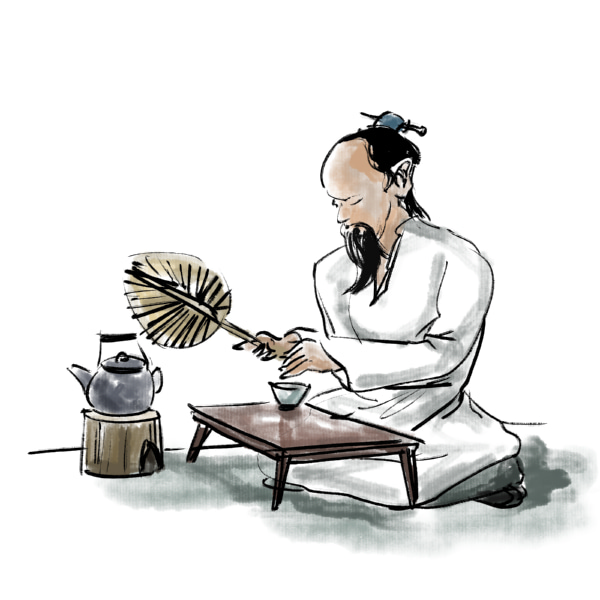
tea and Taoism is deep and profound. It is a relationship built on a shared reverence for nature, simplicity, and the quiet observation of the world as it is. This is a guide to the core of Chinese tea philosophy.
Finding the Tao in Your Teacup: A Guide to Daoist Tea Philosophy
You don’t need to read ancient texts to understand the philosophy of tea drinking. You can find it in the way a leaf unfurls, the steam rises, and the warmth fills your hands. This guide will explore how the core principles of Taoism are not abstract ideas, but tangible experiences that can be found in your daily tea ritual, helping you to find the “Tao,” or the Way, in your very own teacup.
Core Taoist Principles in Tea
To understand the link between tea and Taoism, we need to look at three core principles.
The Tao (道): The Natural Way or Path
(Chinese: 道) The Tao is the central concept, meaning “the Way” or “the Path.” It refers to the natural, underlying flow of the universe. It is not something to be controlled, but something to be observed and harmonized with. In tea, the Tao is the inherent character of the leaf and the natural process of its transformation.
Ziran (自然): Spontaneity and Naturalness
(Chinese: 自然) Ziran means “naturalness” or “spontaneity.” It is the idea that things are best when they are allowed to be themselves, without excessive human intervention. It is a deep appreciation for the authentic, unadorned state of things.
Wu Wei (无为): Effortless Action and Simplicity
(Chinese: 无为) Wu Wei is often translated as “non-action,” but it more accurately means “effortless action” or “action without struggle.” It’s about acting in harmony with the natural flow of things, rather than forcing an outcome. It is the art of simplicity in tea.
How to Practice Taoism in Your Tea Ritual
These profound ideas can be practiced in very simple ways during your tea session.
Embracing Ziran: Appreciate the Tea’s Natural State
To practice Ziran, take a moment to appreciate the tea just as it is. Look at the unique shape of the dry leaves. Smell their natural aroma. When you taste the tea, don’t search for a specific flavor; simply be open to whatever the tea presents to you. This is a deep connection with tea and nature.
Practicing Wu Wei: Brew with Intuition, Not Rigid Rules
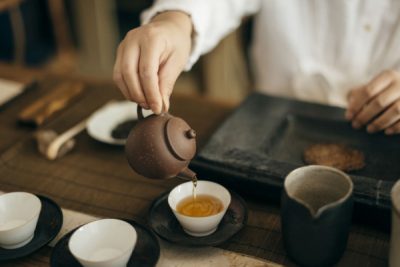
While brewing guides are helpful, the spirit of Wu Wei encourages you to develop your own intuition. Pay attention to the tea. Does it look like it needs a shorter infusion? Does the aroma tell you it’s ready? A Wu Wei tea session is one where you respond to the tea in front of you, rather than blindly following a set of rules.
Finding the Tao: Be Present in the Moment of Brewing
The ultimate practice is to simply be present. Let go of thoughts about your day and focus entirely on the simple actions: the sound of the water, the warmth of the cup, the taste of the liquor. In this quiet, focused state, you can experience a sense of connection to the natural “Way” of the tea.
Choosing a “Taoist” Tea: Which Teas Embody These Principles?
Some teas, by their very nature, are more aligned with the Taoist ideals of naturalness and simplicity.
Ye Sheng (Wild) Teas: The Ultimate Expression of Nature
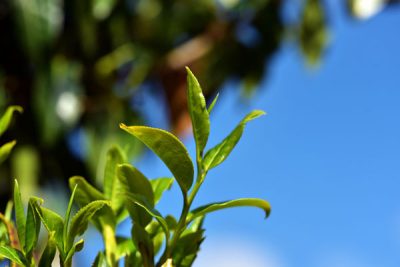
A “wild-grown” tea is the ultimate embodiment of Ziran. It has grown in a natural, biodiverse environment with minimal human intervention. Its flavor is a pure, untamed expression of its terroir.
Gu Shu (Old Tree) Puerh: Tea with the Wisdom of Age
Old-tree Puerh tea represents the Taoist reverence for age and the slow, natural process of transformation. Its deep, complex flavor is not created in a day but is the result of decades of patient waiting.
White Tea: The Beauty of Minimal Intervention
White tea is the least processed of all teas. It is simply withered and dried. This minimal handling is a perfect example of Wu Wei, allowing the leaf’s inherent quality to shine through without force.
The Way of Tea is the Way of Nature
The Chinese tea culture is deeply indebted to Taoist thought. It teaches us that the path to a profound experience is not through complexity, but through simplicity, observation, and a deep respect for the natural world.
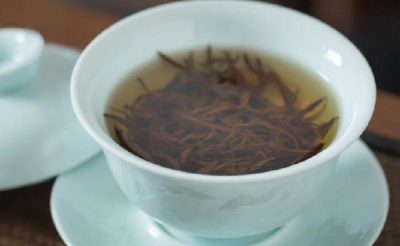
The Way of Tea is a beautiful, accessible way to practice the Way of Nature in our daily lives, finding a moment of peace and harmony in every cup.
The path to understanding nature can be found in your teacup. Are you ready to find the Tao in your next brew? .
FAQ: Your Tea and Philosophy Questions Answered
What is the difference between Taoist and Zen philosophy in tea?
While they overlap, a simple distinction is that tea and Taoism often emphasizes a joyful harmony with the natural, spontaneous world. Tea and Zen tends to focus more on the disciplined, mindful practice of the present moment as a path to enlightenment. Both seek simplicity and presence.
Do I need to be a Taoist to appreciate these ideas?
Not at all. These are universal philosophical principles that can be appreciated by anyone, regardless of their beliefs. The ideas of seeking harmony with nature, acting with effortless simplicity, and being present in the moment are beneficial for everyone.
Who is Lu Tong, the “Tea Sage” associated with Taoism?
Lu Tong was a Tang Dynasty poet whose famous poem, “Seven Bowls of Tea,” beautifully describes the physical and spiritual effects of drinking tea. His work is cherished for its celebration of tea as a path to transcendence and connection with the cosmos, which resonates strongly with Taoist ideals.
Where can I find teas that align with a natural philosophy?
Look for a vendor that values and specifies the origin and growing environment of their teas. At