

As you explore the rich world of Chinese tea, you’ll encounter beautiful, specific terms used to describe flavors, feelings, and tools. This specialized tea vocabulary can seem intimidating at first, but it’s the key to a deeper understanding. This guide is a simple tea glossary designed for tea for beginners and enthusiasts alike. We will demystify the most common chinese tea terms so you can speak, read, and taste with confidence.
Speak Tea Like an Expert: Your Ultimate Chinese Tea Glossary
Have you ever read a tea description that mentions Hui Gan or Cha Qi and wondered what it means? You’re not alone. These are not just fancy words; they are precise descriptors for real sensory experiences. Mastering them will transform your appreciation. This ultimate gongfu tea terms glossary will be your go-to reference on your tea journey.
Essential Tasting & Sensation Terms
These terms describe the feelings and tastes you experience when drinking tea. They are the heart of tea tasting terminology.
Cha Qi – The “Energy” of the Tea
(Chinese: 茶气)
What is Cha Qi? This is one of the most profound concepts. Cha Qi refers to the distinct energy or life force of a tea that can be felt in the body. It’s not about caffeine. A tea with strong Cha Qi might make you feel warm, focused, calm, or even slightly euphoric. It is most often found in high-quality teas from old tea trees.
Hui Gan – The “Returning Sweetness”
(Chinese: 回甘)
What does Hui Gan mean? It literally translates to “returning sweetness.” This is a pleasant, cooling sweetness that emerges in the back of your throat a few moments after you swallow the tea. It’s a physiological reaction to certain compounds in high-quality tea and is a highly prized characteristic.
Yan Yun – The “Rock Rhyme” of Wuyi Oolongs
(Chinese: 岩韵)
Exclusive to Wuyi Rock Oolongs, Yan Yun is the “taste of the rocks.” It’s a complex sensation that combines a mineral-like taste, a thick and smooth texture, and a long, resonant finish that lingers in the throat.
Kou Gan – The “Mouthfeel” or Texture
(Chinese: 口感)
Kou Gan refers to the physical sensation of the tea liquor in your mouth. Is it thick, viscous, and coating? Or is it thin and watery? Is it smooth and silky, or rough and astringent? A good tea should have a pleasant and substantial mouthfeel.
Chen Yun – The “Aged Rhyme” of Puerh
(Chinese: 陈韵)
Similar to Yan Yun, Chen Yun is the unique “rhyme” of an aged tea, most commonly Puerh. It refers to the smooth, deep, and complex character that develops through years of aging, often with notes of old wood, camphor, or damp earth.
Terms for Tea Ware and Brewing
These are the names of the tools you’ll encounter in a Gongfu tea session.
Gaiwan – The Lidded Bowl
(Chinese: 盖碗)
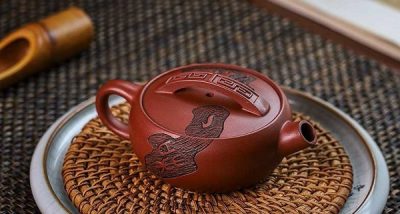
A versatile brewing vessel consisting of a bowl, a lid, and a saucer. It is prized for its neutrality, allowing the true flavor of any tea to be expressed.
Gong Dao Bei – The “Fairness Cup”
(Chinese: 公道杯)
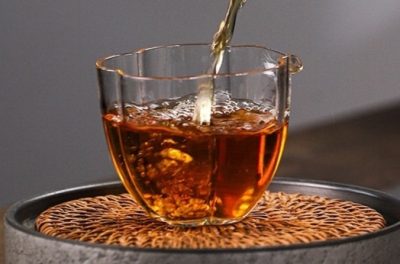
A small pitcher used to hold the brewed tea before serving. Its purpose is to mix the infusion, ensuring that every cup poured is of the exact same strength and flavor. It is also known as a Cha Hai (茶海), or “sea of tea.”
Cha Pan – The Tea Tray
(Chinese: 茶盘)
A tray, often with a built-in reservoir, used to catch any spilled water or tea during the brewing process. It keeps the tea space clean and organized.
Cha Chong – The Tea Pet
(Chinese: 茶宠)
A small clay figurine, often of an animal or mythical creature, that is kept on the tea tray. Tea drinkers “nourish” their tea pet by pouring leftover tea over it. Over time, it develops a rich color and patina.
Terms Describing the Tea Leaf and Liquor
These terms help you understand the state of the tea itself.
Mao Cha – The “Rough” or Unfinished Tea
(Chinese: 毛茶)
Mao Cha is the primary, unfinished product. For example, it is the loose, sun-dried tea leaves that will later be steamed and compressed to make a Puerh tea cake.
Jin Hao – The “Golden Hairs” on Tea Buds
(Chinese: 金毫)
Jin Hao refers to the fine, downy hairs on the young, unopened buds of the tea plant. In black tea processing, these hairs turn a beautiful golden color and are a sign of a high-quality, bud-rich harvest.
Gai Xiang – The “Lid Aroma”
(Chinese: 盖香)
This is the aroma that remains on the inside of the Gaiwan or teapot lid immediately after an infusion has been poured out. Smelling the Gai Xiang is a key step in tea tasting, as it often reveals the purest and most intense fragrance of the tea.
Tang Se – The “Soup Color” or Liquor Color
(Chinese: 汤色)
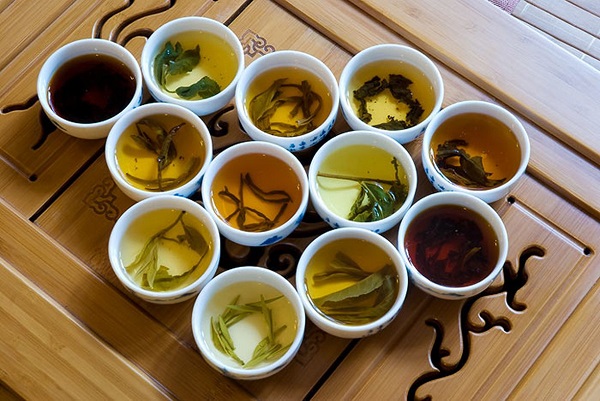
Tang Se simply refers to the color of the brewed tea liquor. Observing the color—its clarity, brightness, and hue—is part of appreciating the tea.
A New Language to Deepen Your Appreciation
Learning these chinese tea terms is like learning a new language. It’s not about being pretentious; it’s about having the right words to understand, describe, and share your sensory experience. This new vocabulary will unlock a deeper level of appreciation for every cup you brew, allowing you to connect more fully with the soul of the tea.
Now that you have the vocabulary, it’s time to put it into practice. and see how many of these new terms you can identify in your next cup!
FAQ: Your Tea Terminology Questions Answered
Do I need to know these terms to enjoy tea?
Absolutely not! You can enjoy tea completely without knowing a single one of these words. However, learning them can greatly enhance your appreciation and help you understand why you like certain teas more than others, making you a more confident tea drinker and buyer.
How do I pronounce these Pinyin terms?
Pinyin can be tricky. The best way is to listen to a native speaker or use an online Pinyin pronunciation tool. Don’t worry about perfect pronunciation; the effort to use the correct term is what matters in the tea community.
Are there different terms in different regions of China?
Yes, while many of these terms are universal in the Chinese tea world, some are very specific. For example, Yan Yun is exclusive to Wuyi Oolongs. Different regions may also have their own local slang or descriptive terms for tea characteristics.
What is the single most important term for a beginner to understand?
For a beginner, the most rewarding term to understand is Hui Gan