


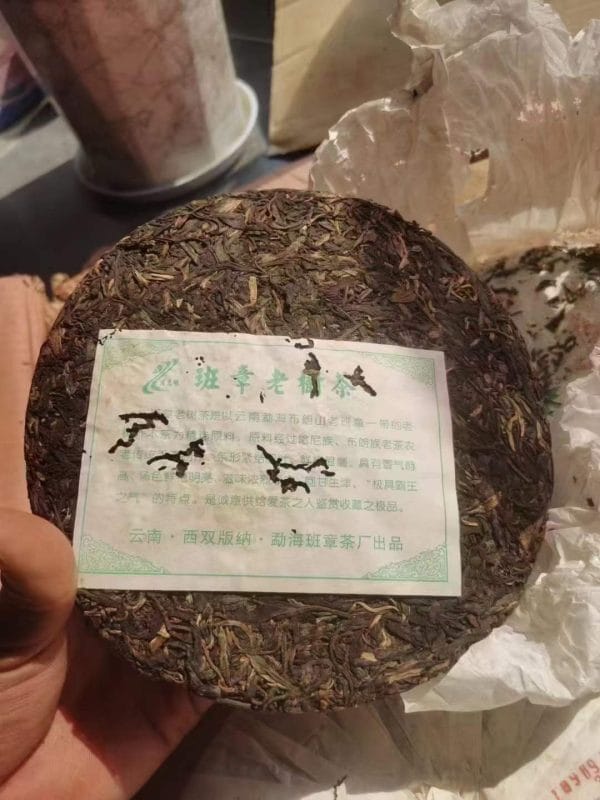
In the world of Puerh tea, certain combinations of names, places, and years resonate with legendary power. Few are more potent than this one: Menghai Banzhang 2006. This isn’t just a tea; it’s a benchmark, a piece of modern Puerh history. This in-depth puerh review is a deep dive into this iconic aged sheng puerh, exploring its pedigree, its current flavor profile, and its status among puerh collectors.
Tasting a Legend: A Deep Dive into the 2006 Menghai Banzhang
To open a cake of 2006 Menghai Banzhang is to open a time capsule. It represents a golden era of Puerh production, where a state-run legacy met the king of all Puerh terroirs. What does 2006 Menghai Banzhang taste like after years of careful aging? Join us as we explore the sensory experience of this legendary tea.
The Pedigree: Why This Tea is So Important
To understand this tea, you must first understand its two legendary parents: the factory and the mountain.
The Legacy of the Menghai Tea Factory
The Menghai Tea Factory, founded in 1940, is one of the most important producers in Puerh history. It is the birthplace of the modern “ripe” (Shu) Puerh process and has a legendary reputation for its masterful blending and processing of high-end raw materials. A tea from Menghai carries a mark of quality and tradition.
Banzhang: The Undisputed King of Puerh Terroirs
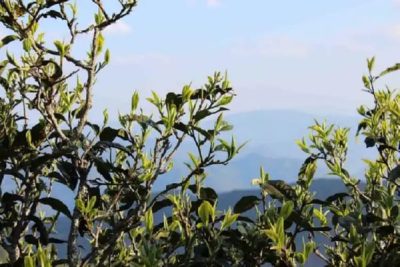
Banzhang, a remote mountain village in Menghai County, is the source of what many consider the most powerful and sought-after Puerh in the world. Teas from Banzhang Puerh‘s old and ancient tree puerh groves are famous for their intense flavor, thick texture, and formidable Cha Qi (tea energy).
A Sensory Analysis: Tasting the 2006 Banzhang Today
After more than a decade of aging, this tea has transformed. Here are our tasting notes.
Dry Leaf Appearance and Aroma
The cake is moderately compressed, and the leaves have darkened to a deep olive brown with silver tips still visible. The dry aroma is already potent, with notes of dried plums, aged wood, and a hint of medicinal herbs.
The Liquor: Color, Clarity, and Texture
The tea liquor is a beautiful, clear, deep orange-gold. The most immediate sensation in the mouth is the texture. It is thick, viscous, and incredibly smooth, coating the entire palate with a satisfying weight.
Flavor on the Palate: From Bitterness to Sweetness (Ku Hua 甘)
The initial taste is a classic Banzhang characteristic: a powerful, pleasant bitterness (Ku) that is not astringent. This bitterness transforms almost instantly in the mouth into a profound sweetness (Hua Gan). It’s a dynamic and exciting flavor experience.
The Long, Resonant Aftertaste (Hui Gan)
The Hui Gan, or returning sweetness, is exceptionally long and deep. Minutes after swallowing, a cooling, sweet sensation lingers in the throat, a testament to the quality of the raw material.
Examining the Wet Leaves (Ye Di)
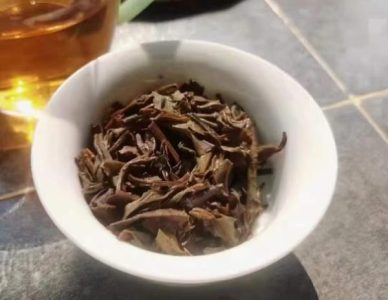
After many infusions, the brewed leaves are thick, supple, and resilient. They have a healthy, olive-green appearance, showing their excellent condition and potential for many more steepings.
The “Cha Qi”: Experiencing the Banzhang Energy
A review of a top-tier Banzhang would be incomplete without discussing its Cha Qi.
A Powerful, Sinking, and Warming Sensation
The energy of this tea is immediately noticeable. It is a powerful, sinking, and grounding energy. A pleasant warmth spreads quickly from the core outwards, and a profound sense of physical relaxation sets in.
A Tea for Deep Focus and Meditation
Despite the deep physical relaxation, the mind becomes incredibly clear and focused. This is the “calm alertness” that makes high-end aged sheng puerh a favored tool for meditation and deep concentration.
A Collector’s Perspective: Is It a Good Investment?
For puerh collectors, this tea represents a significant holding. But is 2006 Banzhang a good investment?
The Rarity of the 2006 Production
2006 is often considered a benchmark year for Puerh, a time before the major price hikes, when quality material was still relatively accessible for large factories. Productions from this year are increasingly rare and sought-after.
Its Future Aging Potential
This tea is currently in a fantastic drinking window, but it still has decades of aging potential. The powerful raw material and excellent processing mean it will continue to evolve, becoming smoother, deeper, and more complex for many years to come.
A Snapshot of Puerh Royalty
The 2006 Menghai Banzhang is more than just a tea; it’s a piece of Puerh history. It captures the power of a legendary terroir and the masterful craft of a historic factory in a single cake. To drink it is to experience the pinnacle of aged sheng puerh—a complex, powerful, and deeply satisfying brew that resonates long after the last drop is gone.
An opportunity to taste a tea of this caliber is a rare privilege. It is an experience that resonates long after the session is over. .
FAQ: Your 2006 Menghai Banzhang Questions Answered
How does this compare to a modern Banzhang tea?
A modern Banzhang (e.g., from the last 1-3 years) will be much more aggressive, with a stronger initial bitterness and astringency, and very bright, floral aromas. The 2006 version has had years for these sharp edges to mellow into a smoother, deeper, more integrated flavor profile with prominent aged notes.
What is the ideal way to store this specific cake?
Continue to store it in a place with stable, moderate humidity (60-70%), away from light and strong odors, with some gentle airflow. Proper storage is crucial to preserve and enhance its value.
How many infusions can I expect from this tea?
A tea of this quality is incredibly resilient. Using the Gongfu method, you can easily expect 15-20 infusions, with the flavor and character evolving beautifully throughout the entire session.
How do I know if it’s an authentic 2006 Menghai production?
Authenticity is critical for a high-value tea like this. How do I know if it’s authentic? You must buy from a trusted, reputable vendor who can guarantee the tea’s provenance. At