


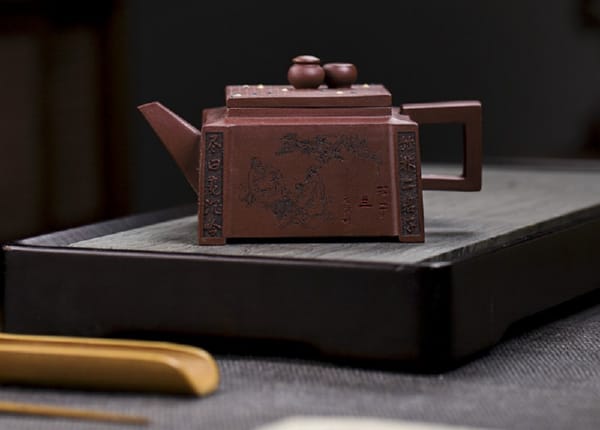
Chinese tea cup is often overlooked, but its design plays a crucial role in the final tasting experience. This guide explores the world of gongfu tea cups.
Does Your Tea Cup’s Shape Affect the Taste? (Yes, It Does!)
It may be hard to believe that the shape of a tiny cup can change how you perceive flavor, but it’s true. How cup shape affects taste is a science known to sommeliers and tea masters alike. The shape, size, material, and thickness of your tea tasting cups all work together to either concentrate or dissipate aroma, cool or retain heat, and change how the liquor flows across your palate.
The Science of the Sip: How Shape Influences Aroma
The most significant impact of a cup’s shape is on the aroma. The way a cup is shaped directs the aromatic molecules to your nose.
The Aroma-Focusing Cup (Ju Xiang Bei): Tall and Narrow
(Chinese: 聚香杯) A cup that is taller than it is wide, with a slightly tapered opening, is designed to concentrate the aroma. As you bring the cup to your lips, the fragrant steam is funneled directly to your nose, allowing you to perceive the most delicate and complex scents. This is the best tea cup for aroma.
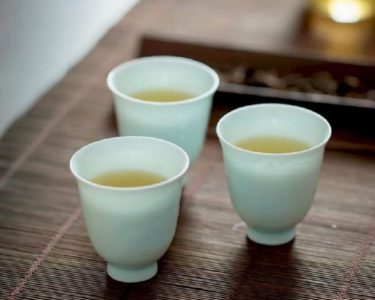
The Aroma-Spreading Cup (Kou Bei): Wide and Shallow
(Chinese: 口杯) A cup that is wide and has a flared lip does the opposite. It allows the aroma to spread out and aerate. This can be beneficial for very strong or roasty teas, as it helps to soften their intensity. It also allows the tea to cool down more quickly.
A Guide to Common Gongfu Tea Cup Shapes and Their Purpose
Let’s look at how to apply this knowledge to the common tea cup shapes you’ll encounter.
The Tall “Aroma” Cup: Best for High-Fragrance Oolongs
This is the classic aroma-focusing cup. Its tall, narrow shape is the perfect vessel for appreciating the complex, floral fragrances of Phoenix Dancong Oolongs or the delicate notes of a high-mountain green tea.
The Wide “Tasting” Cup: Best for Appreciating Liquor Color and Texture
A wide, shallow cup, often with a white interior, is designed for appreciation of the liquor itself. The wide surface area allows you to clearly see the color and clarity of the tea, and the flared lip directs the liquid across the full width of your tongue, emphasizing its texture and mouthfeel.
The Classic “Cylinder” Cup: A Balanced All-Rounder
A simple, straight-sided cylinder cup offers a good balance between aroma concentration and tasting. It’s a fantastic all-purpose cup that works well for a wide variety of teas, from black teas to Puerh.
Beyond Shape: The Role of Material and Thickness
It’s not just about the shape. The material of your Chinese tea cups is equally important.
Porcelain: The Neutral Truth-Teller
White porcelain is the standard for professional tea tasting. It is completely neutral, meaning it doesn’t interact with the tea’s flavor. Its white background also provides the best canvas for observing the true color of the liquor.
Yixing Clay: For Softening and Enhancing
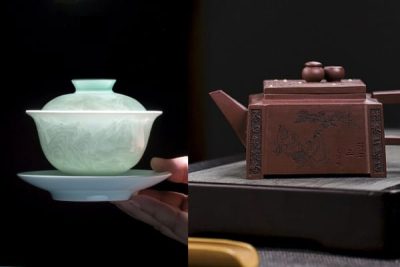
Unglazed Yixing clay cups, like their teapot counterparts, are porous. Over time, they will season with the tea you drink from them. This can soften the sharp edges of some teas, like young Sheng Puerh, and enhance the overall texture.
Gilded Silver: For Purifying and Elevating
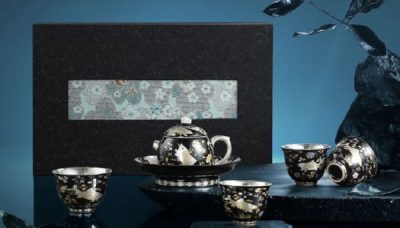
Gilded silver cups are a luxury choice with a functional benefit. Silver is known to soften and purify water, which can lead to a noticeably sweeter and smoother-tasting brew.
Thin vs. Thick Walls: How They Affect Temperature and Lip Feel
A thin-walled cup will transfer heat quickly (be careful!) but provides a very delicate and precise feel on the lips. A thick-walled cup will retain heat longer, keeping your tea warm, and provide a more substantial, rustic feel.
The Final, Crucial Step in Your Brew
Choosing the right teacup is the final, crucial step in perfecting your brew. It is the bridge between the tea and your senses. By understanding how shape, size, and material influence your perception, you can select the perfect cup to highlight the best qualities of your favorite tea. This attention to detail is the essence of the Gongfu tea ceremony.
The final touch to a perfect brew is the cup it’s served in. Are you ready to elevate your tasting experience? .
FAQ: Your Chinese Tea Cup Questions Answered
Why are Gongfu tea cups so small?
Why are Gongfu cups so small? There are two main reasons. First, the Gongfu method uses a high leaf-to-water ratio to produce a very concentrated, flavorful brew. Small cups are perfect for savoring these potent infusions. Second, it encourages you to brew and drink many small rounds, allowing you to appreciate how the tea’s flavor evolves.
What is the best all-purpose tea cup for a beginner?
For a beginner, a simple, white porcelain cylinder cup or a slightly wide tasting cup is the most versatile choice. Its neutrality will allow you to taste the true flavor of any tea you brew, and its white color will help you learn to identify different liquor colors.
Should my cups match my teapot?
From an aesthetic perspective, having cups that match your teapot or Gaiwan creates a beautiful, cohesive tea set (Cha Xi). Functionally, however, it’s perfectly fine to mix and match. Many connoisseurs will use a Yixing pot but serve in porcelain cups to get the best of both worlds.
Where can I buy high-quality Chinese tea cups?
Look for a specialized vendor that offers a variety of shapes and high-quality materials, especially porcelain. At , our gongfu tea cups