

The act of brewing tea can be a simple daily habit. But within the mindful practice of the Gongfu tea ceremony, it becomes something more: a moving meditation and a practical philosophy. What is the philosophy of the tea ceremony? It is a rich tradition of thought that elevates a simple beverage into a path for cultivating inner peace and balance. This guide explores the core of Chinese tea philosophy.
More Than a Drink: The Philosophy of the Tea Ceremony
Why can the simple act of preparing tea become such a profound art form? The answer lies in the principles that guide it. The true tea ceremony meaning is not found in a rigid set of rules, but in the mindful application of a few key philosophical ideas. It is a practice designed to help you find harmony in a cup, and in turn, harmony in your life. This is the heart of the Way of Tea.
The Four Principles of the Way of Tea
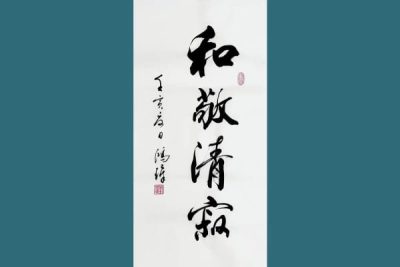
The core of traditional tea philosophy, shared and adapted across East Asia, can be encapsulated in four characters: He, Jing, Qing, Ji. Understanding the meaning of He Jing Qing Ji is the key to unlocking the spiritual side of tea.
He (和): Harmony with Nature, Others, and Self
(Chinese: 和) He, or Harmony, is the foundational principle. It represents the pursuit of balance. This means finding harmony with nature by being aware of the seasons, harmony with your guests by serving them with care, and harmony within yourself by calming your mind and body.
Jing (敬): Respect for the Tea, the Tools, and the Moment
(Chinese: 敬) Jing, or Respect, is the active expression of harmony. It means handling your teaware with care, appreciating the journey of the tea leaves from the mountain to your cup, and honoring the time you have set aside for this practice. It is a deep respect for the entire process.
Qing (清): Purity in Spirit and Environment
(Chinese: 清) Qing, or Purity, refers to both the external and internal. It means keeping your tea space clean and uncluttered. On a deeper level, it means purifying your mind, letting go of distracting thoughts and anxieties to be fully present with the tea.
Ji (寂): Tranquility and Inner Peace
(Chinese: 寂) Ji, or Tranquility, is the ultimate goal and the natural result of practicing the other three principles. It is the state of inner peace and serene calm that arises from a mindful, harmonious, and respectful tea session. This is the essence of the spiritual meaning of tea.
How to Practice Tea Philosophy in Your Daily Ritual
You don’t need to be a master to bring these principles into your life. Here’s how to turn them into simple, practical actions.
Cultivating Harmony (He) by Choosing Seasonal Teas
Practice harmony with nature by choosing teas that align with the seasons. Drink a fresh, vibrant green tea in the spring to awaken your senses, and a deep, warming black tea in the winter to find comfort.
Showing Respect (Jing) by Handling Teaware with Care
Show respect for your tools by handling your teapot and cups gently. Wash and dry them with care after each session. This simple act of careful handling cultivates a mindful and respectful attitude.
Achieving Purity (Qing) by Keeping a Tidy Tea Space
Before you begin brewing, take a moment to clear and wipe down your tea table. A clean and organized space helps to create a clean and organized mind, making it easier to focus on the tea.
Finding Tranquility (Ji) by Putting Away Distractions
The simplest yet most powerful practice is to put your phone away. Dedicate 15-20 minutes solely to the act of brewing and drinking, without any digital distractions. This is the direct path to finding tranquility.
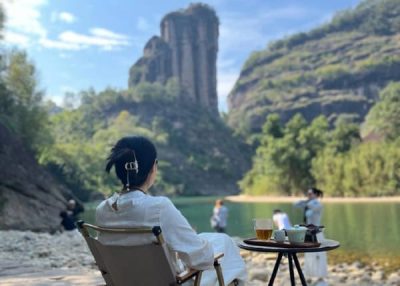
Finding Your “Peaceful Hour” Through Tea’s Wisdom
This ancient philosophy directly connects to our modern need for a break from the chaos.
Tea as a Moving Meditation
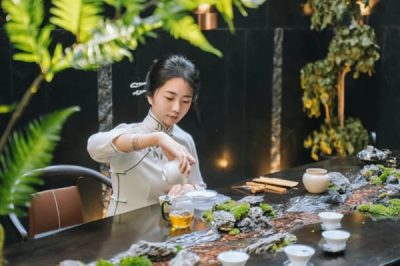
The deliberate, focused movements of a Gongfu session—measuring the leaves, pouring the water, serving the cups—become a form of moving meditation. It is a tea mindfulness practice that anchors your busy mind in the physical actions of the present moment.
A Ritual to Anchor You in the Present
By following this simple ritual, you create an anchor in your day. It’s a dedicated time where you can let go of worries about the past and anxieties about the future, and simply be. This is how you find your peaceful hour.
A Practice for a Balanced Life
The Chinese tea philosophy offers more than just a better way to drink tea; it offers a better way to live. The principles of Harmony, Respect, Purity, and Tranquility are not confined to the tea table. They are timeless wisdom that, when practiced, can bring a greater sense of balance, calm, and appreciation to every aspect of your life.
The deepest journey into tea is the journey inward. Are you ready to find your own harmony in a cup? .
FAQ: Your Tea Philosophy Questions Answered
Are these principles from Chinese or Japanese tea culture?
The four principles of He, Jing, Qing, Ji were famously codified by the Japanese tea master Sen no Rikyū. However, their philosophical roots are deeply embedded in Chinese Chan (Zen) Buddhism and Taoism, which heavily influenced the development of the Japanese tea ceremony. They are a shared heritage.
Do I need to be a philosopher to enjoy tea?
Absolutely not! You can enjoy tea purely for its delicious taste. But if you are looking for a deeper experience, these principles offer a wonderful framework for turning a simple beverage into a meaningful practice.
How can I learn more about the spiritual meaning of tea?
Reading classic texts like “The Classic of Tea” by Lu Yu is a great start. Exploring the connections between tea and Taoism or tea and Zen will also provide deep insights. Ultimately, the best way to learn is through your own mindful practice.
Which teas are best for a meditative, philosophical tea session?
Teas that are complex and change over many infusions are ideal, as they reward close attention. High-quality Oolongs, which can have evolving aromas, or aged Sheng Puerh, known for its grounding Cha Qi