

Chinese tea culture known as Dou Cha (斗茶), or “fighting tea.” This is your guide to the fascinating history and practice of the Chinese tea competition.
The Ultimate Tea Showdown: An Introduction to “Dou Cha”
What is Dou Cha? It is the art and sport of tea tasting, a formal tea tasting competition where producers and connoisseurs gather to compare the quality of their finest teas. Far from a raucous battle, it is an elegant and highly focused ritual. The tea showdown of Dou Cha is a practice that has shaped the standards of quality in Chinese tea for a thousand years.
The Golden Age: Tea Contests in the Song Dynasty
The history of Dou Cha reached its zenith during the culturally rich Song Dynasty (960–1279 AD). It was a beloved pastime for everyone from the emperor to the humble poet.
The Art of “Dian Cha” and Whisking for Foam
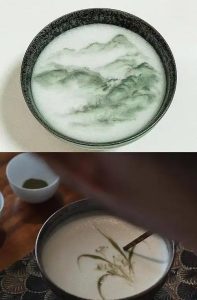
During the Song Dynasty, tea was a fine powder, much like modern matcha. The competition involved a technique called Dian Cha, where hot water was carefully poured into a bowl of tea powder and vigorously whisked with a bamboo whisk to create a thick, stable foam.
Judging the “Water Mark”: A Test of Skill
The primary test was the quality and longevity of the foam. After whisking, the competitor who could create the whitest, finest foam that clung to the side of the bowl the longest was declared the winner. The “water mark” left behind after drinking was a key indicator of skill.
A Pastime of Emperors and Poets
Emperor Huizong of Song was a famous Dou Cha enthusiast and even wrote about its techniques. It was a sophisticated game, a way for the educated elite to showcase their refined taste, high-quality tea, and masterful whisking skills.
How Are Teas Judged? The Criteria for a Winning Brew
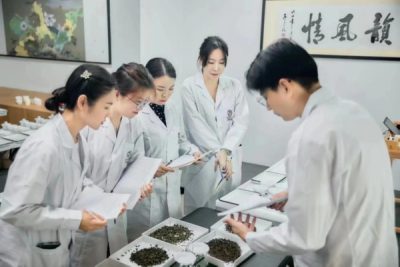
While the Song Dynasty’s foam-whisking is a thing of the past, the spirit of competition lives on. So, how are teas judged in a modern tea competition? Experts use a systematic approach, evaluating several key aspects.
The Dry Leaf: Shape, Color, and Uniformity
The evaluation begins before any water is added. Judges look at the appearance of the dry leaves. Are they whole and unbroken? Is the color vibrant and consistent? Is the shape uniform, indicating skilled processing?
The Liquor: Clarity, Color, and Aroma
Next, they examine the brewed tea liquor. It should be bright and clear, not cloudy. The color should be true to the tea’s type. The aroma is critically important—it should be clean, complex, and free of any off-smells.
The Taste: Complexity, Mouthfeel, and Aftertaste (Hui Gan)
This is the most important part. The judges look for a complex and balanced flavor, a pleasant mouthfeel (is it thick and smooth?), and a long, lingering aftertaste, or Hui Gan.
The Wet Leaves: Inspecting the “Ye Di”
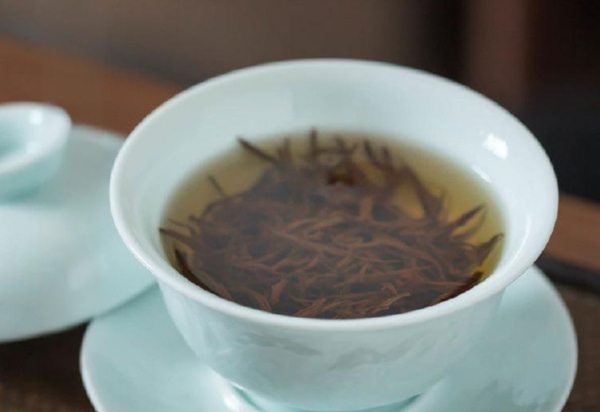
Finally, the judges examine the steeped leaves, known as the Ye Di (叶底). The leaves should be supple, largely intact, and have a healthy color. This reveals the quality of the raw material and the skill of the processing.
“Dou Cha” in the Modern Era: From Farmer’s Pride to International Events
Today, Dou Cha is still a vibrant part of Chinese tea culture.
Farmer Competitions in Wuyi and Anxi
In famous tea-producing regions like the Wuyi Mountains (for oolong) and Anxi, local farmers hold annual competitions. Winning the title of “Tea King” (Cha Wang) is an immense honor that brings great prestige and can dramatically increase the value of their tea.
Professional, Blind Tasting Competitions
There are also more formal, professional events where teas are judged in a blind tasting format. Experts cup hundreds of teas, using the criteria above to award medals and recognize the year’s best productions.
How You Can Host Your Own Mini “Dou Cha” at Home
You don’t need to be a certified judge to enjoy the spirit of Dou Cha. Can I host my own Dou Cha? Yes, and it’s a fun way to train your palate.
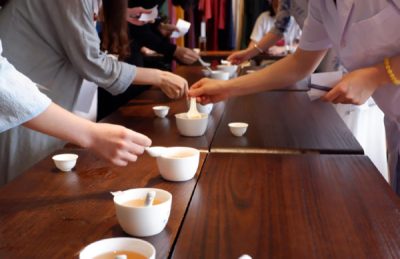
Step 1: Choose a “Versus” Theme (e.g., Two Rou Gui Oolongs)
Select two teas that have something in common. For example, two Rou Gui oolongs from different farms, or a 2006 Sheng Puerh vs. a 2009 Sheng Puerh.
Step 2: Brew Them Side-by-Side
Use two identical sets of Gaiwans and cups. Brew both teas at the same time, using the exact same parameters (same amount of leaf, same water temperature, same steeping time).
Step 3: Taste Blindly and Compare Notes with Friends
If you have a friend to help, have them serve you the teas without telling you which is which. Taste them, take notes on the aroma, flavor, and texture, and then discuss your findings. It’s a fantastic and engaging way to learn.
The Enduring Spirit of Friendly Competition
Dou Cha is more than just a competition; it is a celebration of excellence in tea. It pushes farmers and producers to achieve the highest levels of quality. For drinkers, it provides a framework for appreciation and a fun, social way to deepen our understanding. The ultimate goal is not to “fight,” but to share, learn, and celebrate the incredible diversity of fine tea.
The best way to deepen your palate is through comparison. Ready to host your own friendly tea showdown? .
FAQ: Your Tea Competition Questions Answered
Is “Dou Cha” the same as a Japanese tea ceremony?
No, they are very different. A Japanese tea ceremony (Chanoyu) is a highly ritualized, spiritual practice focused on harmony and mindfulness. Dou Cha is a competitive tasting focused on critically evaluating and comparing the quality of different teas.
What kind of teaware is used in a traditional Dou Cha?
In the Song Dynasty, they used special, dark-glazed bowls called Jian Zhan or Tenmoku bowls. The dark glaze made it easier to see the white foam. In modern competitions, professional white porcelain cupping sets are used for neutrality.
Where can I find “award-winning” teas?
You can find award-winning teas by looking for a vendor that highlights teas that have won local competitions. At