


Chinese tea culture is an integral part of China’s history and heritage, dating back thousands of years. From the Tang Dynasty to modern times, tea has evolved beyond a simple beverage to symbolize harmony, health, and social bonding. Let’s delve into the essence of Chinese tea culture, exploring its origins, significance, and the unique rituals that surround it.
The Origins of Tea in China
Tea’s history in China dates back over 4,000 years. Legend credits its discovery to Emperor Shen Nong, who noticed the aromatic leaves falling into boiling water. Initially consumed for its medicinal properties, tea gained popularity during the Tang Dynasty (618–907 AD) when it became a vital part of daily life and an art form.
Types of Chinese Tea
China is home to a wide variety of teas, categorized mainly into six types: green tea, black tea, white tea, oolong tea, yellow tea, and dark tea. Each type has distinct flavors, aromas, and health benefits:
- Green Tea: Known for its fresh and grassy taste, green tea is minimally processed, preserving its natural antioxidants.
- Black Tea: Fully oxidized, black tea offers a robust flavor and is often used in blends.
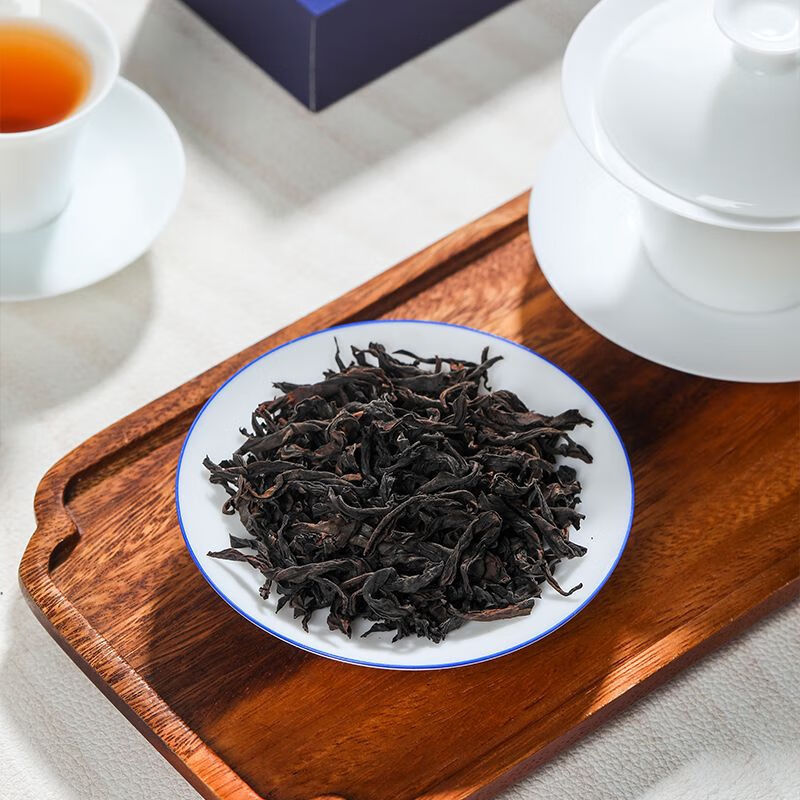
- Oolong Tea: A semi-oxidized tea that bridges the gap between green and black tea, offering a rich and complex taste.
- White Tea: Least processed, white tea is prized for its delicate flavor and high antioxidant content.
- Yellow Tea: Rare and expensive, yellow tea undergoes a unique fermentation process, resulting in a mellow flavor.
- Dark Tea (Pu-erh): Aged and fermented, dark tea has an earthy flavor and is believed to aid digestion.
Tea as a Symbol of Harmony
Tea in Chinese culture represents harmony, respect, and tranquility. It is often served during formal occasions, such as weddings, where the tea ceremony is a sign of respect to elders. Tea drinking also embodies the principles of Confucianism, Taoism, and Buddhism, reflecting balance and mindfulness.
The Art of Tea Preparation
Tea preparation in China is a ritual in itself. The Gongfu Cha (Kung Fu Tea) ceremony is one of the most refined methods of brewing tea. It emphasizes precision and technique, using small teapots and cups to extract the best flavor. This process is not just about making tea but also about appreciating the aroma, taste, and appearance of the brew.
Health Benefits of Tea
Tea is not only a cultural treasure but also a health elixir. Packed with antioxidants, vitamins, and minerals, tea is believed to:
- Boost metabolism and aid weight management
- Reduce stress and improve mental focus
- Lower cholesterol and support heart health
- Strengthen the immune system
The Global Influence of Chinese Tea Culture
Chinese tea culture has inspired tea traditions worldwide, from Japanese tea ceremonies to British afternoon tea. Today, tea remains a global symbol of hospitality and wellness, with China continuing to lead in tea production and innovation.
Conclusion
Chinese tea culture is a fascinating blend of history, art, and tradition. It offers not just a drink but an experience that fosters connection, mindfulness, and health. Whether you are a tea enthusiast or a curious learner, exploring Chinese tea culture is a journey into the heart of Chinese heritage.