


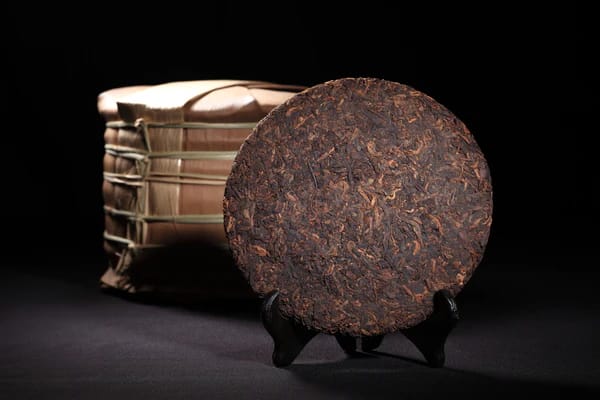
Puerh tea aging, known in Chinese as Chen Hua (陈化), is a slow dance between the tea leaves, the environment, and a world of invisible microbes. This guide will explore the art and science of chen hua.
Unlocking Time: The Art and Science of Puerh Tea Aging
How does Puerh tea age? It doesn’t simply get “old.” It undergoes a profound transformation, a slow, controlled post-fermentation that changes its chemical structure and its very soul. Understanding this process is key to appreciating a fine aged Puerh and to building a successful collection. This is your guide to the fascinating puerh tea aging process.
What is “Chen Hua”? The Transformation Process
Let’s begin by defining the core concept. What is Chen Hua?
A Slow, Controlled Post-Fermentation
Chen Hua is the term for the entire transformation that a Sheng (Raw) Puerh undergoes after it has been pressed. It’s a long-term post-fermentation driven by a combination of factors: oxygen, humidity, temperature, and, most importantly, the microorganisms living on the tea leaves.
How Bitterness Transforms into Sweetness and Smoothness
The primary goal of the puerh tea aging process is transformation. Over years and decades, the sharp, bitter, and astringent compounds (polyphenols) in a young Puerh are broken down and converted into new compounds. This process mellows the tea, creating the smooth, thick, and sweet character that is so prized in aged Puerh.
The Unseen Workers: Microbes and Enzymes
The real stars of the aging process are invisible to the naked eye.
The Role of Aspergillus and Other Beneficial Molds
The air is full of naturally occurring, beneficial microbes, including various strains of Aspergillus, a key mold in many fermentation processes. These microorganisms colonize the tea cake and work slowly, their metabolic processes breaking down the original compounds and creating new, complex aromatic molecules.
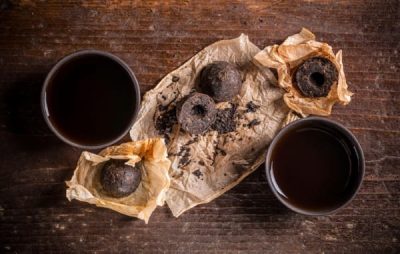
Breaking Down Polyphenols and Creating New Aromas
These microbes, along with the tea’s own natural enzymes, are the “workers” that perform the magic. They systematically break down the bitter-tasting polyphenols and catechins. In their place, they create the complex, deep aromas of aged wood, camphor, and dried fruit that define a mature Puerh.
The Great Debate: Dry Storage vs. Wet Storage Puerh
The environment where a tea ages has a massive impact on the final flavor. This leads to the great debate in the Puerh world: dry storage vs wet storage puerh.
Dry Storage (Gan Cang): Slower, Cleaner, More Aromatic
Dry storage Puerh, or Gan Cang (干仓), refers to tea that has been aged in an environment with relatively low, but stable, humidity (typically below 75%). The transformation is very slow, often taking 20-30 years to fully mature. The result is a tea that is exceptionally clean, with a clear liquor and a complex, elegant, and highly aromatic profile.
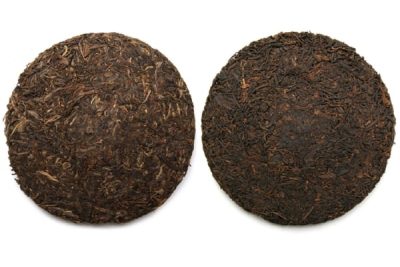
Wet Storage (Shi Cang): Faster, Earthier, but Riskier
Shi Cang (湿仓), or wet storage, involves intentionally storing the tea in a high-humidity environment (often over 85%) to accelerate the aging process. This can produce a tea that tastes “old” much faster. However, it is a very risky process. If not done perfectly, it can result in a tea with an unpleasant, musty, or “fishy” aroma that is a sign of poor storage.
Why We Advocate for Clean, Dry Storage Puerh
At Wings Tea Shop, we exclusively source and advocate for dry storage Puerh. We believe the slow, patient transformation of dry storage creates a more complex, nuanced, and ultimately more rewarding tea. It preserves the tea’s original character while allowing it to develop a beautiful aged rhyme, without the risks of off-flavors from improper storage.
Creating the Ideal “Tea Cellar”: Perfect Puerh Storage Conditions
To age Puerh correctly at home, you need to replicate ideal dry storage conditions.
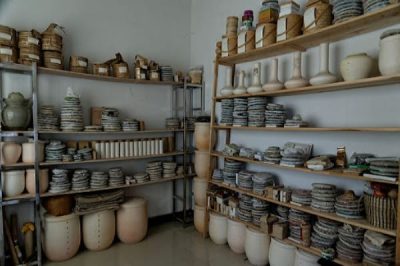
Temperature: Stable and Moderate (20-25°C / 68-77°F)
The temperature should be stable and not too hot or too cold. A moderate room temperature is perfect. Avoid attics or basements with extreme temperature fluctuations.
Humidity: The Sweet Spot (60-70%)
This is the most crucial factor. The humidity should be between 60% and 70%. Too dry, and the tea will stop aging. Too wet, and you risk mold.
Ventilation: The Importance of Gentle Airflow
The tea needs to “breathe.” It requires some gentle airflow for the microbial processes to continue. This is why you should never seal a Puerh cake in an airtight plastic bag.
Darkness and Odor-Free Environment
Store your tea in a dark place away from any strong smells (like a kitchen). The tea will easily absorb odors, which will ruin its flavor.
Conclusion: The Patient Art of Waiting
The process of chen hua is the soul of Puerh tea. It is a slow, quiet, and miraculous transformation driven by nature itself. Understanding the science of puerh tea aging allows us to become not just consumers, but custodians of this living art form. It is a hobby that rewards patience above all else, offering a delicious glimpse into the magic of time.
Understanding the aging process is key to appreciating a fine aged Puerh. We are committed to sourcing only cleanly stored teas with incredible aging potential. .
FAQ: Your Puerh Aging Questions Answered
How can I tell if a tea has been wet-stored?
How can I tell if a tea was wet-stored? Use your nose. A poorly wet-stored tea will often have a strong, unpleasant musty, fishy, or moldy smell. The tea liquor might be cloudy, and the taste will be flat and earthy, lacking the complexity and aroma of a dry-stored tea.
Does Shu (Ripe) Puerh continue to age like Sheng (Raw) Puerh?
Yes, but in a different way. The most dramatic transformation happens with Sheng Puerh. Shu Puerh’s aging is more of a refinement process. Over years, the initial “wet pile” aroma (dui wei) will dissipate, and the flavors will become smoother, cleaner, and more integrated.
Can I speed up the aging process at home?
It is strongly advised not to try. Attempting to create a high-humidity environment without professional knowledge and equipment is the fastest way to ruin your tea with bad mold. The patient, slow path of clean, dry storage is always the safest and best method.
What is the best way to monitor the humidity for my collection?