


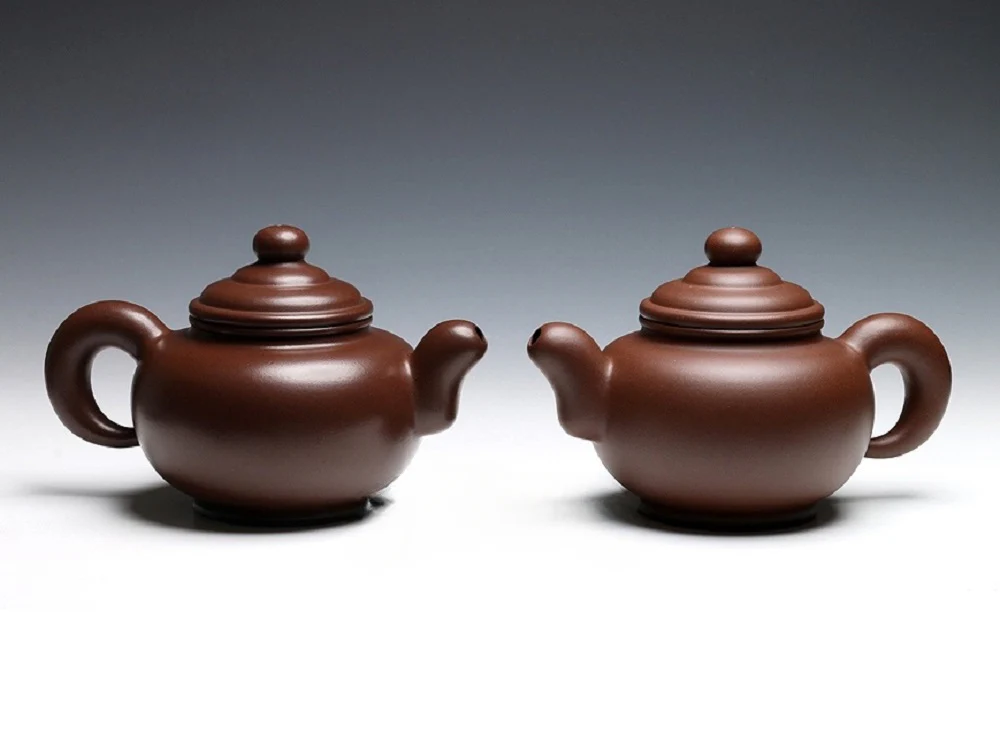
Once you own an Yixing teapot, your journey has just begun. These remarkable teapots are not meant to be just used; they are meant to be “raised.” The process of raising a yixing teapot, known as Yang Hu in Chinese, is a rewarding ritual. It transforms a simple clay vessel into a lustrous, seasoned companion. This guide will teach you the art of teapot care and how to develop a beautiful yixing teapot patina.
The Art of “Yang Hu”: How to Raise a Happy Yixing Teapot
Is your teapot “happy”? In the world of Yixing enthusiasts, this is a genuine question. A happy, well-raised pot is one that has been consistently used, cared for, and nourished with good tea. What is Yang Hu? It is the philosophy and practice of nurturing your teapot, and it’s this process that unlocks its true potential and beauty. This is your essential yixing teapot care guide.
What is “Yang Hu”? The Philosophy of Raising a Teapot
Yang Hu (养壶) literally translates to “nurturing the pot.” It’s a concept that elevates teapot ownership from a simple possession to a dynamic relationship.
More Than Cleaning: It’s About Nurturing
Proper teapot care is about more than just keeping it clean. Yang Hu involves actively nourishing the porous clay with the oils and essence of the tea you brew. Each session is seen as “feeding” your teapot, contributing to its character and history.
How the Teapot “Learns” the Tea
Because Yixing clay is porous, it absorbs trace amounts of the tea’s aromatic oils with every use. Over time, the pot becomes “seasoned” with the character of that specific type of tea. A well-seasoned pot will eventually enhance the flavor of the tea brewed within it, making the tea taste even richer and smoother.
The Goal: Developing a Beautiful Yixing Teapot Patina
The most visible and rewarding result of raising a yixing teapot is the development of a beautiful patina.
What is Patina and Where Does It Come From?
The yixing teapot patina is a deep, warm, semi-lustrous sheen that develops on the surface of the clay over time. It is not an artificial coating. It is formed by the slow accumulation of tea oils that have been absorbed into the clay and polished on the surface through gentle handling.
From a Dull Matte to a Warm, Semi-Lustrous Sheen
A new Yixing teapot has a dull, matte finish. A well-raised pot, after hundreds of uses, will have a warm, soft glow that feels smooth and jade-like to the touch. This beautiful sheen is the ultimate sign of a well-loved and properly cared-for teapot, a visual record of all the wonderful tea sessions you’ve shared.
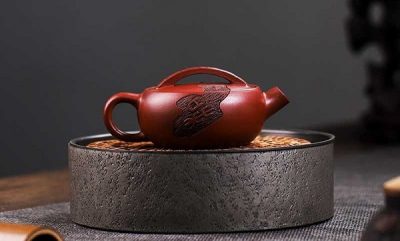
The “How-To”: A Step-by-Step Guide to Raising Your Teapot
So, how to make yixing teapot shiny and well-seasoned? The process is simple and requires patience, not complicated techniques.
Step 1: Dedicate Your Pot to One Type of Tea
This is the most important rule. To build a pure seasoning, you must dedicate your pot to only one type of tea (e.g., only Wuyi oolongs, or only Shu Puerh). Mixing tea types will create a confused, muddy seasoning.
Step 2: Use the “Leftover” Tea to Bathe Your Pot
After your tea session, you can use any remaining tea liquor to “bathe” the outside of your pot. Pour the warm tea over the pot’s exterior. This helps to nourish the outside of the clay, ensuring the patina develops evenly.
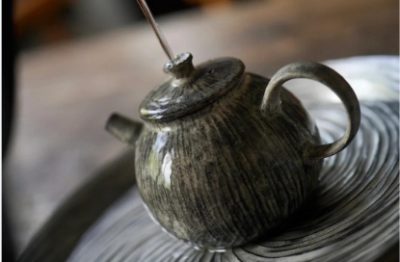
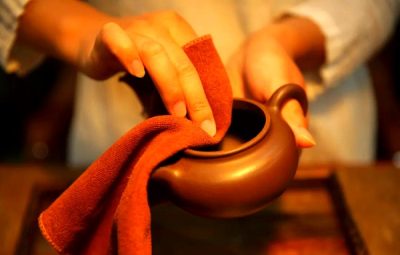
Step 3: Gently Polish with a Soft Tea Towel
While the pot is still warm and damp from the “bath,” use a soft, clean tea towel to gently buff the surface. Do not scrub. This gentle polishing action is what helps to build the beautiful, semi-lustrous sheen over time.
Step 4: Be Patient and Consistent
Yang Hu is a marathon, not a sprint. The real secret is consistent use. The more you use your teapot correctly, the faster and more beautifully it will develop its character and patina.
Common Mistakes to Avoid When Caring for Your Teapot
Proper teapot care is also about what not to do. Avoid these common mistakes.
Mistake 1: Using Soap or Detergents
Never, ever use soap on your Yixing teapot. The porous clay will absorb the soap’s chemicals and fragrance, and you will never be able to get the soapy taste out of your tea again. Hot water is all you need.
Mistake 2: Leaving Wet Leaves in the Pot Overnight
Always empty and rinse your teapot immediately after your session is finished. Leaving wet leaves inside for too long can cause mold to grow, which can ruin the pot permanently.
Mistake 3: Trying to “Speed Up” the Process with Oils
Some people try to cheat by rubbing cooking oil or other substances on their pot to make it shiny quickly. This creates a fake, greasy shine, not a true patina. It clogs the pores of the clay and ruins the pot’s ability to breathe.
A Lifelong Relationship with Your Teaware
The process of raising a yixing teapot transforms it from an inanimate object into a living part of your tea practice. It’s a slow, meditative ritual that fosters a deep connection between the user and the teaware. The beautiful patina it develops is not just a shiny surface; it is a reflection of your care, your patience, and the many peaceful hours you’ve spent with it.
The beautiful patina on your teapot is a testament to the quality tea you’ve enjoyed over the years. .
FAQ: Your “Yang Hu” Questions Answered
How long does it take to develop a noticeable patina?
This depends entirely on the consistency of use and the type of tea. With daily use, you may start to see a subtle change and a smoother feel within a few months. A truly beautiful, deep patina can take several years of dedicated use to develop fully.
Can I “raise” more than one pot at a time?
Of course! Many tea lovers enjoy raising several pots at once, each dedicated to a different type of tea. It’s a wonderful way to experience how different teas interact with the clay.
If I change my mind, can I switch the type of tea I use in my pot?
It is strongly discouraged. The pot has “learned” the flavor profile of the first type of tea. If you switch, the flavors will clash and become muddled. It’s best to commit one pot to one tea type for its entire life.
What is the best tea for raising a Yixing teapot quickly?
Teas that are rich in natural oils, such as roasted oolongs (like Wuyi Rock Tea) and Puerh teas, are known to “season” a pot and develop a yixing teapot patina