


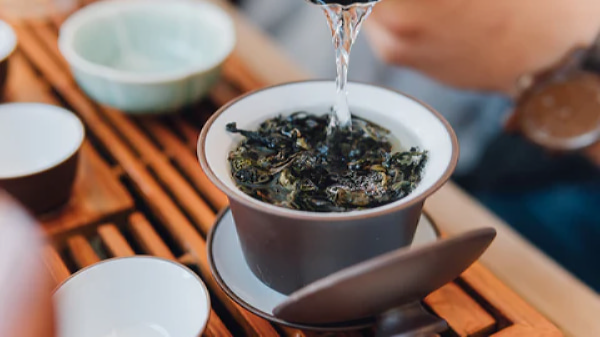
rinsing tea leaves is one of the most important steps in a proper gongfu brewing guide. This is the art of awakening tea.
Why You Should Rinse Your Tea: The Art of “Awakening” the Leaves
Why do you rinse tea leaves? The common term “washing tea” is a bit of a misnomer. While there is a cleansing aspect, the primary purpose of the rinse is much more profound. It is a crucial tea preparation step that “wakes up” the leaves, preparing them to release their full aromatic and flavor potential in the subsequent infusions. This guide will explore the three main purposes of this vital first steep.
Purpose 1: To Cleanse the Leaves
Let’s start with the most obvious reason. A quick rinse does provide a gentle cleansing.
Removing Dust from Aged and Stored Teas
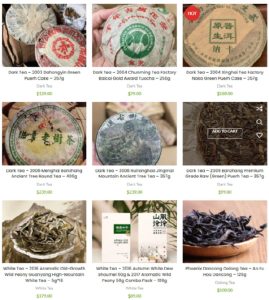
For teas that have been aged for many years, like Puerh, or stored for a long time, a quick rinse helps to wash away any dust or “storage taste” that may have accumulated. This is especially important for why rinse puerh tea.
A Quick Wash for Peace of Mind
While modern, high-quality teas are very clean, this gongfu tea rinse offers a final peace of mind. It ensures that the only thing you are tasting in your cup is the pure essence of the tea leaf itself.
Purpose 2: To “Awaken” Compressed and Rolled Teas
This is the most important technical reason for rinsing tea leaves. The rinse is a crucial step for the awakening tea process.
Unfurling Tightly Rolled Oolongs
Many oolong teas are tightly rolled into small balls. These dense pellets need a “wake-up call” to begin unfurling. A quick, hot rinse helps them to open up, allowing water to penetrate more evenly in the first real infusion and release their full, complex aroma.
Loosening Compressed Puerh Cakes and Bricks
For a chunk of a compressed Puerh cake, a rinse is absolutely essential. The hot water begins to loosen the tightly packed leaves, allowing them to separate and rehydrate. Without a proper rinse, your first few infusions of Puerh would be disappointingly weak.
Purpose 3: To Prepare the Palate and Teaware
The rinse is also a key part of the overall ritual, preparing not just the tea, but you and your teaware as well.
Getting the First Whiff of the Tea’s Aroma
The aroma released from the wet leaves after the rinse is often the most intense and vibrant of the entire session. Smelling the lid of your Gaiwan at this stage gives you a pure, powerful preview of the tea’s character.
Using the Rinse Water to Warm Your Cups
The discarded rinse water is not wasted. It is traditionally used to perform a final warming of your fairness cup and tasting cups, ensuring that every piece of your teaware is at the perfect temperature when the real tea is served.
How to Rinse Tea Leaves: The Correct Technique
How to rinse tea? The technique is simple but requires speed.
Use the Same Water Temperature as Your First Infusion
Use water that is the appropriate temperature for the tea you are brewing. There is no need to use boiling water to rinse a delicate green tea, for example.
Pour Quickly, Decant Immediately (Under 5 Seconds)
This is the key. The rinse should be extremely fast. Pour the water in, ensure it covers all the leaves, and then pour it out immediately. The entire process should take less than five seconds. You are simply waking the leaves, not brewing them.
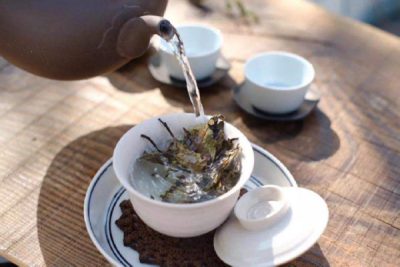
Which Teas Should You Rinse (and Which You Shouldn’t)?
Do you need to rinse all teas? No. This is a very important distinction.
Always Rinse: Puerh Tea, Roasted Oolongs, and Aged White Tea
These teas benefit the most. Puerh must be rinsed to loosen it. Roasted oolongs and aged teas need it to wash away any storage notes and awaken their deep aromas.
Sometimes Rinse: Ball-Rolled Oolongs
Lightly oxidized, tightly rolled “green” oolongs can benefit from a very quick rinse to help them unfurl. However, some prefer to drink this first, light infusion. It is a matter of personal preference.
Never Rinse: Delicate Green, Yellow, and Silver Needle White Tea
Never rinse your most delicate, unrolled teas. They are prized for their subtle, fresh aromas which can be lost in the rinse. Their leaves are so tender that even a quick rinse can begin to extract flavor, meaning you would be discarding the best part of the tea.
A Small Step for a Better Brew
The act of rinsing tea leaves is a small, quick step, but it has a huge impact on the final brew. It is a gesture of care and preparation that cleanses, awakens, and sets the stage for a perfect tea session. By incorporating this simple technique into your ritual, you move from just making tea to mindfully crafting it.
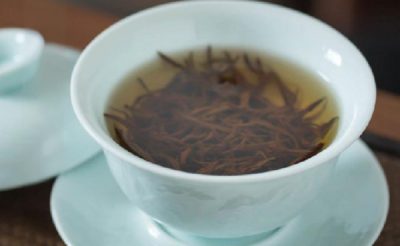
The difference a proper rinse makes is immediately noticeable. Try it in your next session and taste for yourself. .
FAQ: Your Tea Rinsing Questions Answered
Am I wasting the best part of the tea by rinsing it?
No. For the teas that require a rinse, the best flavors and aromas are locked deeper within the leaves. The extremely fast rinse washes away only surface dust or “storage funk” and begins to open the leaf, allowing the truly great flavors to be extracted in the following infusions.
Can I drink the rinse?
It is strongly recommended not to drink the tea washing first infusion. Its purpose is to cleanse and awaken, and it will not have a pleasant or representative taste.
How many times should I rinse the tea?
For most teas, one rinse is sufficient. For some very tightly compressed old Puerh teas, some brewers may perform two very quick rinses to fully awaken the leaves.
Does the rinse count as the first infusion?