


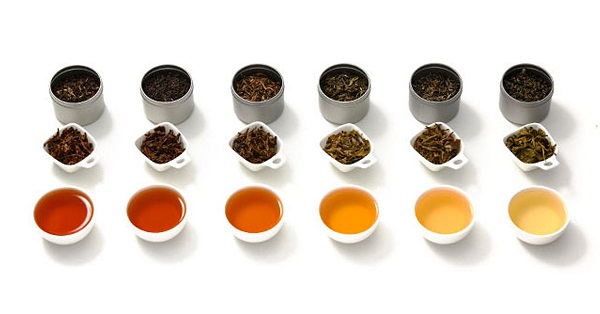
The internet is full of claims about the amazing tea health benefits. Some say it’s a miracle cure, while others warn of its caffeine content. Is tea good for you? The simple answer is yes, but it’s important to understand why. This guide will separate the facts from the fiction. We will look at the real, science-backed benefits of tea, focusing on the key compounds that make it a cornerstone of a healthy lifestyle.
Is Tea Good For You? Separating the Facts from the Myths
From preventing diseases to promoting weight loss, the health claims surrounding tea can be overwhelming. Our goal is to provide a balanced, honest overview. We won’t promise miracles. Instead, we’ll explore the main active compounds in “true tea” (from the Camellia sinensis plant) and what they actually do. This is your guide to the real tea facts.
The Power Players: 3 Key Compounds in Your Teacup
The magic of tea’s health benefits comes from a powerful synergy of natural compounds. Let’s meet the three main players.
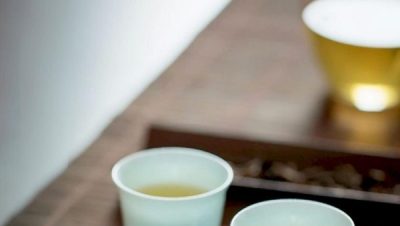
Polyphenols (Catechins): The Source of Antioxidants in Tea
This is the big one. Polyphenols are a group of plant compounds, and the most famous ones in tea are called catechins (like EGCG). These are the primary source of antioxidants in tea. Antioxidants help protect your body’s cells from damage caused by free radicals, which is linked to aging and various health issues.
L-Theanine: The Amino Acid for “Calm Alertness”
This is tea’s secret weapon. L-theanine is an amino acid that is almost exclusively found in the tea plant. It is known to promote relaxation and reduce stress without causing drowsiness. This is the source of the unique “calm alertness” feeling that so many tea drinkers cherish. The l-theanine in tea benefits are central to its appeal.
Caffeine: A Mild and Modulated Stimulant
Yes, tea contains caffeine. However, as we’ll see, the way it works in your body is very different from the caffeine in coffee. In tea, caffeine acts as a mild stimulant, improving focus and fighting fatigue.
A Note on Caffeine: Tea’s “Smart” Stimulant
Is caffeine in tea bad? The answer lies in its unique relationship with L-theanine.
Why Caffeine in Tea Feels Different Than in Coffee
Many people who feel jittery or anxious after coffee can drink tea without issue. This is because the caffeine in tea is absorbed more slowly. More importantly, it works in partnership with L-theanine.
The Synergistic Effect of L-Theanine and Caffeine
L-theanine smooths out the sharp edges of caffeine. While caffeine stimulates, L-theanine calms. The result is a sustained, focused energy without the jitters or the subsequent crash associated with coffee. This unique synergy is what creates that feeling of being simultaneously relaxed and alert.
Which Tea Type Has the Most Health Benefits?
Which tea has the most health benefits? This is a common question, but there’s no single “best” tea. All true teas come from the same plant, so they all contain these beneficial compounds. However, their processing affects the final composition.
Green Tea: High in EGCG Catechins
Because it is unoxidized, green tea benefits from having the highest concentration of the powerful catechin, EGCG. This makes it a top choice for those seeking maximum antioxidant effects.
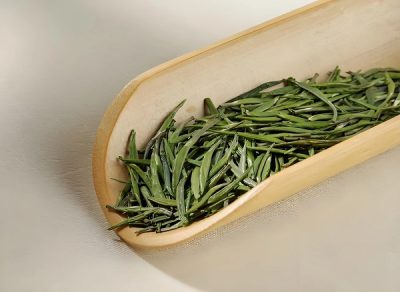
White Tea: Minimally Processed, Rich in Antioxidants
White tea is the least processed of all. This means it also retains a very high level of catechins, similar to green tea. It’s a fantastic choice for those looking for pure, antioxidant-rich brews.
Oolong & Black Tea: Theaflavins and Thearubigins
During the oxidation process that creates oolong and black tea, the catechins transform into new compounds called theaflavins and thearubigins. These are also powerful antioxidants with their own unique set of benefits.
Puerh Tea: The Benefits of Fermentation
Puerh tea’s post-fermentation process creates a unique microbial environment. It is traditionally used in Chinese culture to aid digestion and is prized for its smooth, grounding character.
A Healthy Ritual, Not a Miracle Cure
The evidence is clear: drinking high-quality, real tea is a wonderfully healthy habit. It’s packed with beneficial compounds that can support your overall well-being. However, it’s important to see tea for what it is: a key part of a healthy ritual, not a magic pill. The greatest of all tea health benefits might just be the simple act of taking a few moments out of your day to enjoy a peaceful, mindful cup.
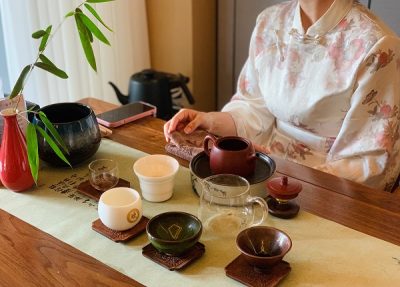
The greatest benefit of tea is the enjoyable, peaceful ritual it brings to your day. .
FAQ: Your Tea and Health Questions Answered
Is it okay to add milk or sugar to my tea?
While adding a little milk or sugar won’t negate all the benefits, some studies suggest that dairy proteins can bind with catechins, potentially reducing their antioxidant capacity. To get the full health benefits, it’s best to enjoy your high-quality tea plain.
What is the best time of day to drink tea for health benefits?
Any time is a good time! Many enjoy a cup of green or black tea in the morning for its gentle energy boost. A cup in the afternoon can help overcome a slump. However, if you are sensitive to caffeine, you may want to avoid it in the evening.
Can I drink too much tea?
While tea is very healthy, moderation is always key. Due to the caffeine content, most experts recommend sticking to around 3-5 cups per day. Listen to your body; it will tell you what’s right for you.
Does herbal tea have the same benefits as true tea?
Herbal “teas” (or tisanes) like chamomile, mint, or rooibos are not made from the Camellia sinensis