

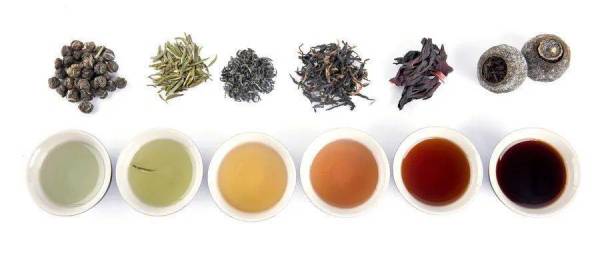
Have you ever felt overwhelmed by the world of Chinese tea? With so many names, shapes, and colors, it’s easy to feel lost. What is the best Chinese tea for a beginner? This guide is your map. We will simplify this ancient art into six basic categories. You will learn the main types of chinese tea and discover a world of flavor. Are you ready to start your journey? .
What Determines the Type of Chinese Tea? The Secret is Oxidation
Before we dive into the colors, you need to know one crucial word: oxidation. Think of an apple slice turning brown after you cut it. That’s oxidation. The level of oxidation in the tea making process is what creates the different categories of tea. It defines everything from the color of the leaves to the final flavor profile in your cup. Understanding this simple concept is the key to unlocking the entire world of Chinese tea.
Green Tea: The Essence of Freshness
What is Chinese Green Tea?
Green tea is perhaps the most well-known of all Chinese teas. It is unoxidized, which means its processing stops the oxidation process very early. This preserves its vibrant green color and fresh, vibrant character. It’s the closest you can get to drinking a fresh leaf straight from the tea plant.
How It’s Made: Capturing “Wok Freshness”
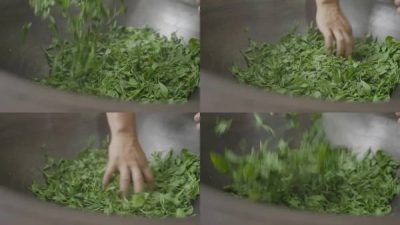
To prevent oxidation, freshly picked leaves are quickly heated. This step, often called “kill-green,” is usually done by pan-firing in a large wok or by steaming. This critical stage in the tea making process locks in the natural green color and the fresh, vegetal notes that define this category.
Flavor Profile: Grassy, Nutty, and Sweet
What does green tea taste like? Expect a lively and refreshing experience. The flavor profile often includes notes of fresh-cut grass, toasted nuts like chestnut, and a pleasant, sweet aftertaste. It is a perfect example of a pure and clean tasting tea.
Famous Green Teas to Try: Xinyang Maojian & Taiping Houkui
For a classic introduction, consider trying a Xinyang Maojian for its brisk, lasting aroma. If you want something truly unique, the large, flat leaves of Taiping Houkui offer an incredibly smooth and mellow orchid fragrance. .
White Tea: The Minimalist’s Delight
What Makes White Tea Special?
White tea is the least processed of all tea types. It embodies simplicity and purity. Appreciated for its subtlety and natural sweetness, it’s a fantastic choice for those who enjoy delicate flavors. Its minimal processing also means it retains a high level of antioxidants.
How It’s Made: Natural Withering and Drying
The tea making process for white tea is beautifully simple. Fresh leaves, often young buds, are just withered and dried in the sun or indoors. There is no heating to “kill-green” and no rolling. This gentle handling allows for very slight, natural oxidation.
Flavor Profile: Delicate, Floral, and Silky
The flavor profile of white tea is subtle and elegant. You may find notes of honeysuckle, fresh hay, and a hint of apricot. The texture is often described as silky and smooth, with a delicate, sweet finish that lingers gently on the palate.
Famous White Teas to Try: Wild Peony White Tea & Shoumei
A great starting point is White Peony (Bai Mu Dan), which offers a fuller body and floral notes. For a taste of aged white tea, Shoumei provides a deeper, fruitier character. Its value often increases with age, making it a favorite among collectors.
Yellow Tea: The Rare and Mellow Treasure
What is the Elusive Yellow Tea?
Yellow tea is a rare and unique category. It’s often mistaken for green tea, but a special extra step in its processing gives it a distinct character. This tea is prized by connoisseurs for its exceptionally smooth and mellow taste.
How It’s Made: The Unique “Sealed Yellowing” Process
After the initial “kill-green” step, yellow tea undergoes a unique process called “sealed yellowing” (men huang). The warm, damp leaves are wrapped in cloth or paper. This gentle, slow-steam oxidation removes the grassy notes of green tea and creates a much smoother, sweeter flavor profile.
Flavor Profile: Smooth, Mellow, and Sweetly Aromatic
The taste of yellow tea is remarkably gentle. It lacks any of the sharpness that some green teas can have. Instead, it offers a smooth, thick mouthfeel with sweet notes of corn and a lingering, sweet floral aroma.
Famous Yellow Teas to Try: Junshan Silver Needle
The most famous yellow tea is Junshan Silver Needle. Made exclusively from plump buds, it is a true delicacy and a wonderful representation of this rare tea category. Its subtle sweetness makes it a truly memorable experience.
Oolong Tea: The Art of Complexity
What is Oolong Tea? The In-Between Master
Oolong tea sits between green and black tea in terms of oxidation. This category is incredibly diverse, with oxidation levels ranging from 10% to 80%. This wide range makes oolong a fascinating world of its own, full of complex aromas and flavors.
How It’s Made: A Dance of Bruising and Oxidation
The creation of oolong tea is an art. The leaves are repeatedly shaken or tumbled to bruise the edges. This encourages partial oxidation. The skill of the tea master determines the final flavor, creating everything from light, floral oolongs to dark, roasty ones.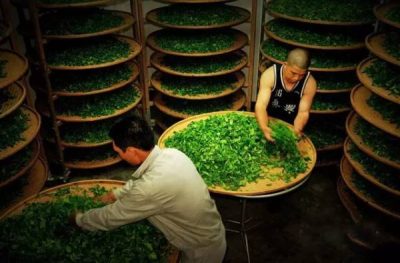
Flavor Profile: From Floral and Light to Dark and Roasty
An oolong tea’s flavor profile is vast. Lighter oolongs can be floral, like orchid or lilac, with creamy textures. Darker, more oxidized oolongs offer notes of roasted nuts, dark honey, and stone fruit. This complexity makes oolong a favorite among tea lovers.
Famous Oolong Teas to Try: Wuyi Rock Oolong & Phoenix Dancong
You must experience two legendary oolongs. Wuyi Rock Oolong is famous for its mineral-rich, “rock rhyme.” Phoenix Dancong is celebrated for its incredible ability to mimic natural flower and fruit aromas. Start your oolong adventure here.
Black Tea: The Bold and Rich Classic
What is Chinese Black Tea (Hong Cha)?
Known as “red tea” in China due to its reddish liquor, black tea is fully oxidized. This is the category most familiar to the Western world. Chinese black teas, however, are renowned for their lack of bitterness and their rich, sweet, and malty flavors.
How It’s Made: Full Oxidation for Maximum Flavor
After withering and rolling, the tea leaves are allowed to fully oxidize. This process turns the leaves dark and develops the deep, complex flavors that black tea is known for. This is a key part of the green tea vs black tea distinction.
Flavor Profile: Malty, Sweet, and Full-Bodied
Chinese black tea offers a comforting and robust flavor profile. Look for notes of malt, honey, dark chocolate, and sweet potato. Unlike many black teas from other regions, they are typically smooth and sweet enough to be enjoyed without milk or sugar.
Famous Black Teas to Try: Jin Jun Mei & Yunnan Dianhong
For a truly luxurious experience, try Jin Jun Mei, a top-tier black tea with a delightful honey-like sweetness. Yunnan Dianhong is another classic, known for its beautiful golden tips and rich, malty character.
Dark Tea: The Wonder of Aging
What is Dark Tea and Puerh?
Dark tea is the only category of tea that is post-fermented. This means it undergoes a secondary fermentation process involving microbes over time. Puerh tea from Yunnan province is the most famous type of dark tea. It is unique because, like fine wine, its flavor improves with age.
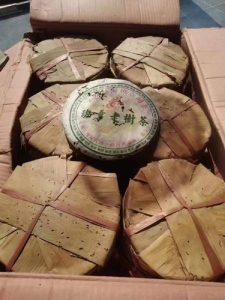
How It’s Made: The Magic of Post-Fermentation
After initial processing, the tea leaves are aged. “Raw” (Sheng) Puerh ages naturally over years. “Ripe” (Shu) Puerh undergoes an accelerated fermentation process to mimic the aging process. This microbial activity is what creates the signature earthy flavor of dark tea.
Flavor Profile: Earthy, Woody, and Incredibly Smooth
The flavor of dark tea is deep and profound. You’ll find notes of damp earth after rain, old wood, and sometimes camphor or dried fruit. A good quality aged dark tea should be incredibly smooth, with no bitterness and a sweet, comforting aftertaste.
Famous Dark Teas to Try: Aged Puerh Tea Cakes
Exploring aged Puerh tea cakes is a journey in itself. Starting with a ripe Puerh can be more approachable for beginners. Look for teas that have been aged for several years to experience their unique, smooth character. It’s a key part of any chinese tea guide.
Your First Step: How to Choose a Chinese Tea for Beginners
Now that you know the six main types of chinese tea, where do you begin? Your personal taste is the best guide.
If You Like Light and Fresh Flavors…
Start with a Green Tea or a White Tea. Their clean, vibrant, and sweet profiles are refreshing and very approachable. They are a perfect entry point into the world of authentic Chinese tea.
If You Prefer Bold and Strong Tastes…
You will likely enjoy a Black Tea or a dark, roasty Oolong Tea. Their rich, full-bodied, and comforting flavors are satisfying and complex, offering a deep and engaging experience.
If You’re Feeling Adventurous…
Dive into the world of Puerh Dark Tea or a floral Phoenix Dancong Oolong. These teas offer unique and captivating flavor profiles that will expand your palate and introduce you to new dimensions of taste. You can easily to start your exploration.
Conclusion: Your Journey into Chinese Tea Starts Now
You’ve now taken the first step into a larger world. From the fresh fields of Green Tea to the aged wisdom of Dark Tea, the six colors offer a lifetime of exploration. Each cup tells a story of its land, its craft, and its culture. Your journey is personal, and the best tea is the one you enjoy most.
What will be your first cup? Let us know in the comments below! We invite you to explore the diverse world of flavor waiting for you at .
FAQ: Frequently Asked Questions about Chinese Tea Types
What is the best Chinese tea for a beginner?
For beginners, we often recommend a high-quality Green Tea like Taiping Houkui for its smoothness, or a classic Black Tea like Yunnan Dianhong. These teas have familiar yet rich flavors and are very forgiving to brew, making them a great starting point. The is one that excites your palate.
What’s the main difference between green tea and black tea?
The main difference lies in oxidation. Green tea is unoxidized; its processing stops oxidation to keep it fresh and green. Black tea is fully oxidized, which develops its dark color and deep, malty flavors. This single processing step creates two completely different taste experiences.
Is oolong tea stronger than black tea?
Not necessarily in terms of caffeine, but the flavor can be just as complex. Oolong tea is partially oxidized, so it falls between green and black tea. Some dark, heavily roasted oolongs can have a very bold flavor, while lighter oolongs are delicate and floral.
Where can I buy authentic Chinese tea online?
Finding a reliable source is key. A trustworthy online store like will provide detailed information about the tea’s origin, harvest time, and flavor profile. Look for vendors who are passionate about chinese tea culture