

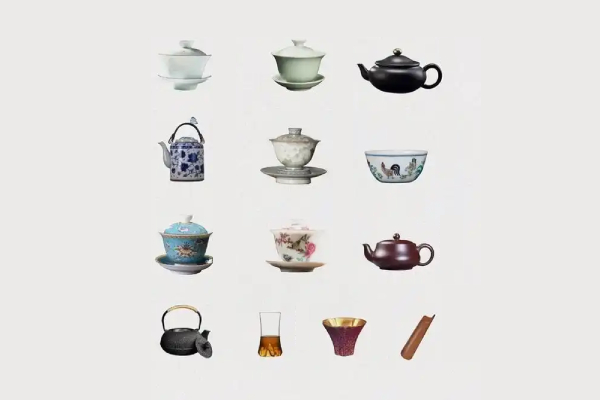
You’ve chosen a premium tea, but have you chosen the right partner for it? In the world of Gongfu tea, there’s a saying: “The ware is the father of tea.” This means your choice of teaware is as crucial as the leaves themselves. This guide explores the art of tea and teaware pairing, showing you how the right match can elevate a good cup into a great one. Learning how to match your tea with the proper chinese tea ware is the next step in your tea journey.
Unlock Flavor: The Ultimate Guide to Tea and Teaware Pairing
Have you ever wondered why tea masters use different pots for different teas? It’s not just for aesthetics. The material, shape, and size of your teaware dramatically influence the final taste and aroma. Does the teapot material matter? Absolutely. This guide will give you the secrets to perfect pairing, ensuring every leaf you brew reaches its full flavor potential. Get ready to unlock new dimensions in the teas you already love.
Why Does Teaware Material Matter? A Quick Science
The secret behind successful pairing lies in two key properties of the teaware material: porosity and heat retention.
Porosity: To Absorb or Not to Absorb?
Porosity refers to how porous a material is.
-
Non-Porous (Glass, Porcelain): These materials are like a clean canvas. They don’t absorb any aroma or flavor, giving you the purest, truest taste of the tea. This makes them perfect for judging a new tea or brewing delicate, aromatic varieties.
-
Porous (Yixing Clay): Unglazed clay is porous. It breathes, absorbing tea oils over time. This quality allows it to “season,” rounding out harsh notes and enriching the flavor of specific types of tea.
Heat Retention: The Key to Extraction
How well a material holds heat directly impacts flavor extraction.
-
Low Retention (Glass): Glass cools down relatively quickly, which is ideal for delicate green teas that can become bitter if brewed at too high a temperature.
-
High Retention (Clay, Silver): Materials like Yixing clay or silver hold heat exceptionally well. This stable, high temperature is necessary to fully extract the deep, complex flavors from tightly rolled oolongs and aged puerh teas.
The Perfect Match for Light & Delicate Teas (Green, White, Yellow)
For these teas, the goal is to preserve their fresh, subtle, and often floral notes. The wrong teaware can easily overwhelm them.
Why Glass Teaware is Ideal for Visual Beauty and Neutrality
Glass teaware is the perfect choice for high-quality green and yellow teas, especially those with beautiful leaf shapes like Taiping Houkui. Its transparency allows you to enjoy the visual “dance” of the leaves as they unfurl. More importantly, glass is completely neutral and cools quickly, ensuring the delicate, vegetal tea flavor is not “cooked” or altered.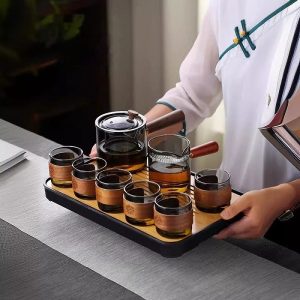
Using Porcelain or Ceramic Ware to Preserve Freshness
Ceramics tea ware, particularly thin porcelain, is another excellent option. Like glass, it is non-porous and presents the true taste of the tea. A white porcelain Gaiwan is the professional’s choice for tasting delicate white and green teas because its white background beautifully showcases the true color of the tea liquor. This is why it’s often considered the best teapot for green tea tasting.
The Ideal Companions for Aromatic & Complex Teas (Oolongs)
Oolongs are incredibly diverse, from light and floral to dark and roasty. The right pairing can make all the difference.
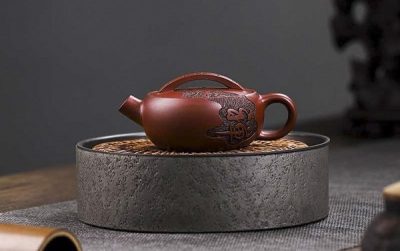
Yixing Purple Clay Teapots: The Ultimate Partner for Roasted Oolongs
The classic pairing is a Yixing purple clay teapot for oolong—specifically, for roasted oolongs like Wuyi Rock Tea. The porous nature of the clay smooths out any rough edges from the roast, while its excellent heat retention extracts the deep, mineral-rich “rock rhyme” that these teas are famous for. It’s a match made in heaven.
Porcelain Gaiwans: The Best Choice for High-Aroma Dancong Oolongs
For high-aroma, floral oolongs like Phoenix Dancong, a porcelain Gaiwan is often preferred. Its neutral surface ensures that none of the incredibly complex and fleeting floral or fruity notes are absorbed or muted. It delivers the purest aromatic experience, allowing you to appreciate the tea master’s skill in capturing those scents.
The Best Vessels for Rich & Full-Bodied Teas (Black, Puerh)
These teas benefit from teaware that can handle high heat and enhance their deep, rich character.
Yixing Teapots: Taming and Enriching Your Puerh & Black Teas
Just as with roasted oolongs, a Yixing purple clay teapot is a superb choice for Puerh and black teas. The clay helps to mellow any astringency in younger Puerh and enriches the smooth, earthy notes of aged Shu Puerh. For black teas, it helps to create a fuller, richer body and a smoother mouthfeel.
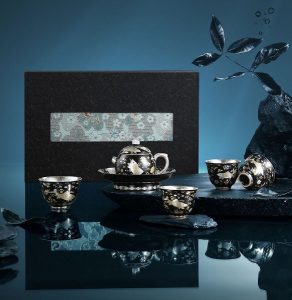
The Luxurious Choice: How a Gilded Silver Tea Set Enhances Rich Teas
For the ultimate experience, a gilded silver tea set is unparalleled. The silver body softens the water, creating a noticeably sweeter and smoother brew. Its fantastic heat retention allows for a complete and robust extraction, perfect for bringing out the full depth of a high-quality aged Puerh or a complex black tea.
Elevate Every Sip by Choosing the Right Ware
Choosing the right teaware is not about following strict rules; it’s about understanding the “why.” By matching the properties of the material to the character of the leaves, you can dramatically unlock flavor you might have been missing. A single tea can reveal different facets of its personality when brewed in different vessels. Don’t settle for just one partner for all your teas; the art of pairing is a rewarding journey of discovery.
Your favorite tea deserves the perfect partner. and find the ideal match for every leaf.
FAQ: Your Tea and Teaware Pairing Questions Answered
I’m on a budget. What is the most versatile piece of teaware I can buy?
The most versatile piece of chinese tea ware is undoubtedly a porcelain Gaiwan. It’s non-porous, so it won’t mix flavors, making it suitable for brewing any type of tea. It gives you excellent control and allows you to taste the true, unadulterated profile of every leaf.
Is it really bad to use one Yixing teapot for different teas?
It is strongly recommended to dedicate one Yixing teapot to a single type of tea (e.g., roasted oolongs or ripe puerh). Because the clay is porous, it will absorb the oils and aromas from the tea. If you brew a floral oolong in a pot seasoned with earthy puerh, the flavors will mix and you won’t get a pure taste from either.
Does the shape of the teapot matter as much as the material?
Yes, shape also plays a significant role. Tall, high-aroma pots are great for capturing the fragrance of teas like Phoenix Dancong. Shorter, wider pots give tightly rolled oolong leaves more space to expand fully. While material is the first consideration, shape is an important factor for optimizing your brew.
Where can I buy a variety of high-quality chinese tea ware?
Finding a vendor that offers a range of authentic materials is key. At , we have curated a selection of high-quality glass teaware, porcelain, ceramics tea ware, and authentic Yixing purple clay teapots