

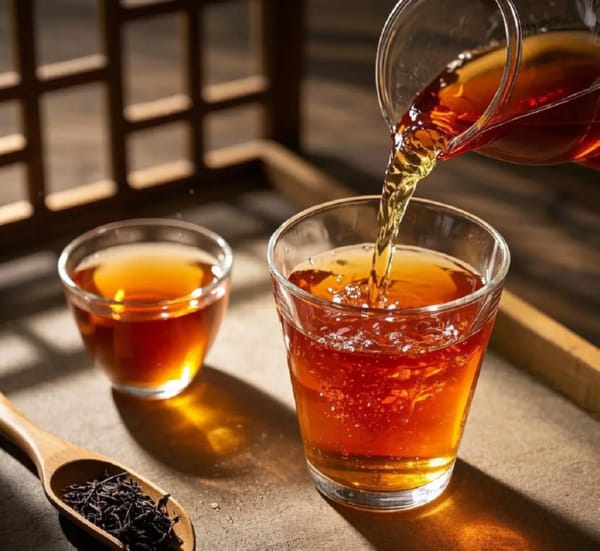
As you venture deeper into the world of high-quality tea, you’ll often encounter the term Hui Gan (回甘). It’s one of the most prized characteristics in advanced tea tasting, but also one of the most misunderstood. What is Hui Gan? It’s not just a sweet taste; it’s a magical, lingering sensation that separates good tea from truly great tea. This guide will explain the meaning of returning sweetness tea.
Hui Gan: The Secret to the Lingering Sweetness in Great Tea
Have you ever taken a sip of tea that starts off slightly bitter or vegetal, but then, a few seconds after you swallow, a cooling, profound sweetness blossoms in the back of your throat? That enchanting experience is Hui Gan. This guide will demystify this concept, explaining the science behind the sensation, how to taste hui gan, and which teas are most famous for this remarkable quality.
What is Hui Gan? A Definition
To understand this core concept of tea tasting, let’s break down the name itself. The hui gan meaning is quite literal.
“Hui” (回): To Return or Come Back
(Chinese: 回) The character Hui means “to return” or “to come back.” This is the key part of the definition. It signifies that the sweetness is not present on the initial sip but appears later.
“Gan” (甘): A Deep, Mellow Sweetness
(Chinese: 甘) The character Gan describes a specific kind of sweetness. It’s not a sugary or cloying sweetness, but a deep, mellow, and refreshing甘甜that is often associated with natural ingredients like licorice root.
The Science Behind the Sensation
Hui Gan is not just a poetic description; it’s a real physiological phenomenon.
It’s Not Sugar: A Trick on Your Taste Buds
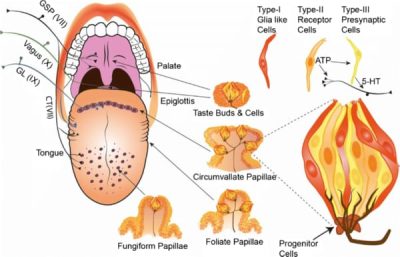
The tea sweetness you experience from Hui Gan is not from sugar. It’s actually a fascinating trick played on your taste buds. Certain compounds in the tea bind to the bitterness receptors on your tongue.
The Role of Glycosides and Saponins in Tea
High-quality tea leaves are rich in compounds like glycosides and saponins. When you drink the tea, these compounds create a slightly bitter or astringent sensation. Your saliva then begins to break them down, and as they detach from your taste receptors, your brain perceives the contrast as a sweet sensation. This is why the sweetness “returns” after the initial taste.
How to Taste Hui Gan: A Practical Guide
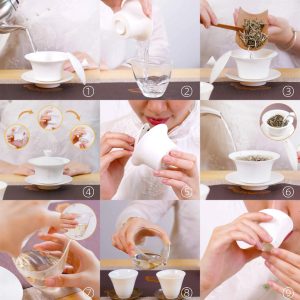
You can train your palate to be more sensitive to this wonderful sensation. Here are four practical steps.
Step 1: Take a Sip and Swallow Mindfully
Take a moderate sip of tea. Focus on the initial flavors as it passes over your tongue, and then swallow it with intention.
Step 2: Pay Attention to Your Throat, Not Just Your Tongue
The sensation of Hui Gan is most prominent in the back of the palate and deep in the throat. After swallowing, shift your attention away from your tongue and focus on the very back of your mouth and upper throat.
Step 3: Gently Breathe In Through Your Mouth
After a few seconds, gently and slowly draw some cool air in through your mouth. This can often amplify the sensation, making the cooling, sweet feeling much more obvious.
Step 4: Be Patient and Wait for It to Emerge
Hui Gan is a “returning” sweetness. It does not appear instantly. Be patient. Wait for 5, 10, or even 30 seconds after you swallow. The longer and more intense the sweetness that emerges, the higher the quality of the tea.
Which Teas are Famous for Their Hui Gan?
While many good teas have some level of Hui Gan, certain types are celebrated for it.
High-Quality Sheng (Raw) Puerh
Young, high-quality Sheng Puerh is the king of Hui Gan. It often has a strong initial bitterness (ku se) that transforms dramatically into an intense and long-lasting returning sweetness. This “ku hua gan” (bitterness transforming into sweetness) is its most prized characteristic.
Good Wuyi Rock Oolongs
A great Wuyi Oolong will have a very noticeable Hui Gan that balances its roasty and mineral notes. The lingering sweetness is a key component of its famous “rock rhyme” (yan yun).
Some High-Grade Green Teas
While known more for their fresh umami flavor, some top-tier green teas, especially those made from older bushes, will also exhibit a pleasant and refreshing Hui Gan.
The Mark of a Truly Great Tea
The ability to produce a strong, long-lasting Hui Gan is a definitive mark of a high-quality tea. It is a sign of excellent raw material, rich in beneficial compounds, and skillful processing. The next time you brew a truly fine tea, don’t just drink it. Wait, pay attention, and savor the magical returning sweetness tea provides. It is one of the greatest pleasures in the world of tea.
The best way to understand Hui Gan is to experience it. Are you ready to taste the magic of returning sweetness? .
FAQ: Your Advanced Tea Tasting Questions Answered
Is Hui Gan the same as a tea just being sweet?
No. This is a key distinction. A “sweet” tea has a sugary taste on the initial sip, on the tongue. Hui Gan is a sweetness that is largely absent on the initial sip and only appears in the throat after you swallow.
How is Hui Gan different from “Hui Tian”?
Hui Tian (回甜) is a related but different concept in advanced tea tasting. It refers to a more direct sweetness that lingers on the tongue and lips. Hui Gan is specifically the deeper, more complex sweetness that emerges from the throat.
If a tea is bitter, can it still have Hui Gan?
Yes! This is the magic of teas like Sheng Puerh. A pleasant, “good” bitterness is often the precursor to a powerful Hui Gan. The key is that the bitterness should transform quickly and not be a lingering, harsh astringency.
Where can I buy teas known for a strong Hui Gan?
You should look for a vendor that specializes in high-quality, single-origin teas. At , we specifically select Sheng Puerh and Wuyi Oolongs that exhibit a powerful and pleasant tea aftertaste, as we believe Hui Gan