


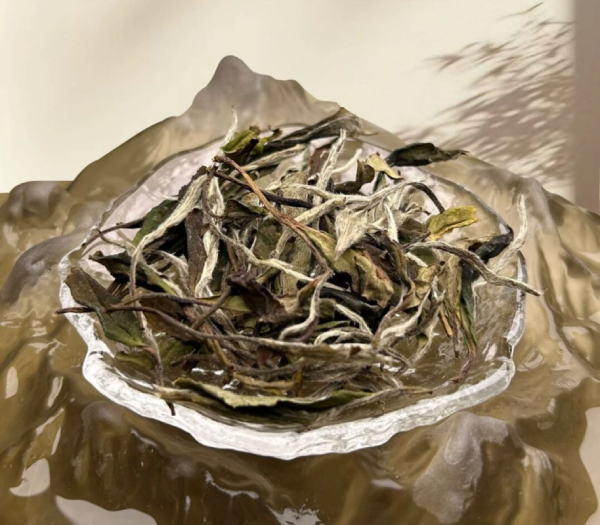
In the vast universe of Chinese tea, white tea stands out for its elegant simplicity. It is the tea of the minimalist, cherished for its subtle flavors and near-natural state. What is white tea, and what makes it so special? This guide will introduce you to this pure and delicate brew, from its unique crafting process to the magic of how its flavor transforms with age. It’s time to discover the gentle power of premium white tea.
Discover White Tea: The Purest Expression of the Tea Leaf
If you’re looking for the truest, most honest expression of the tea leaf, you’ll find it in white tea. It undergoes the least amount of processing, offering a taste of unparalleled purity. This guide is your perfect introduction. We will explore how white tea is made, the main varieties you’ll encounter, its fascinating ability to age, and how to brew it to perfection. You’ll soon see why so many are choosing to buy white tea online.
The Art of Simplicity: How White Tea is Made
The beauty of white tea lies in what isn’t done to it. Its production process is an art of careful inaction, designed to preserve the leaf’s natural character. How is white tea made?
Just Two Steps: Withering and Drying
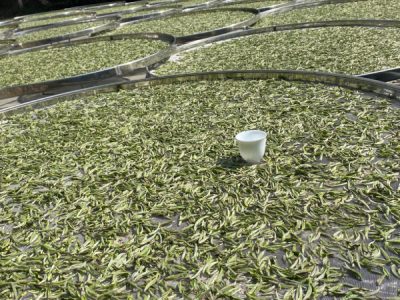
The process is refreshingly simple. Freshly plucked tea leaves, often tender buds, are carefully spread out to wither in the sun or in a well-ventilated indoor space. Once they have lost a specific amount of moisture, they are slowly dried at low temperatures. That’s it. There is no rolling, shaping, or high-heat fixing.
White Tea vs. Green Tea: The Key Difference
This brings us to a key question: What is the difference between white tea and green tea? The answer is a single step: “kill-green.” Green tea is immediately heated at a high temperature to stop all oxidation. White tea skips this step, allowing a very slight, natural oxidation to occur during its long withering process. This subtle difference is responsible for white tea’s lack of grassiness and its mellow, sweet flavor profile.
The Main Types of Premium White Tea You Should Know
White tea is generally graded based on the type and maturity of the leaves picked. Understanding these main types will help you find the one you’ll love.
Silver Needle (Bai Hao Yin Zhen): The Imperial Grade
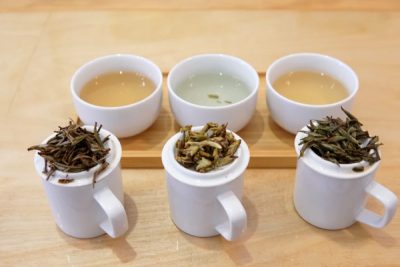
This is the highest grade of white tea. Silver Needle white tea consists only of the unopened, silver-haired buds of the tea plant. The flavor is incredibly delicate, sweet, and nuanced, with notes of honeysuckle and a clean, refreshing finish. It’s a true luxury.
White Peony (Bai Mu Dan): A Balance of Buds and Leaves
White Peony tea is the next grade down and a fantastic entry point. It contains a mix of buds and the first one or two leaves. This gives it a fuller body than Silver Needle, with a beautiful floral aroma and a mellow, fruity sweetness.
Shou Mei: The Robust Choice for Aging
Shou Mei consists of more mature leaves and fewer buds. This makes its flavor more bold and robust, often with notes of baked apple and dried apricot. Because of its stronger character, Shoumei tea is the most popular choice for aging.
The Magic of Aging: A Tea That Transforms Over Time
One of the most exciting aspects of white tea is its potential to age. This is where its true magic lies.
“One Year Tea, Three Years Medicine, Seven Years Treasure” Explained
This traditional saying perfectly captures the aging process. A young white tea is a delicious beverage. After a few years, its chemical composition changes, and it’s traditionally believed in Chinese culture to have soothing properties, hence “medicine.” After many years, its flavor becomes so complex and rare that it is considered a “treasure.” This is the core of the aged white tea benefits.
From Floral and Fresh to Mellow and Honeyed
As white tea ages, its flavor profile undergoes a remarkable transformation. The fresh, delicate floral notes of its youth deepen into richer, more complex aromas. The liquor darkens from a pale yellow to a deep amber. The taste becomes mellow, smooth, and develops distinct notes of honey, dried fruit, and sometimes even a pleasant hint of medicinal herbs. Is aged white tea really better? It’s different, offering a completely new and rewarding experience.
How to Brew White Tea to Perfection
Proper tea brewing is essential to appreciate the delicate nature of white tea. It’s easy, but there are a couple of golden rules.
The Golden Rule: Lower Water Temperature (80-85°C / 175-185°F)
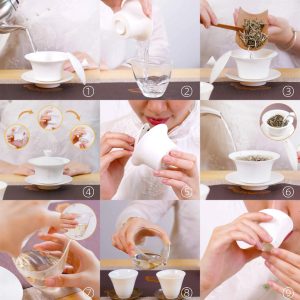
This is the most important rule. Boiling water will scald the delicate leaves, destroying their subtle flavors and creating bitterness. Use water that is well below boiling. If you don’t have a variable temperature kettle, simply let boiling water cool for a few minutes before pouring.
Longer Infusion Times for a Fuller Flavor
Because the leaves are not rolled, they release their flavor more slowly. Don’t be afraid to steep your white tea for longer than you would a green tea. Start with an infusion of 1-2 minutes and adjust according to your taste. White tea is very forgiving and can be infused multiple times.
Embrace the Subtle Beauty of White Tea
White tea is an invitation to slow down and appreciate the subtle things. Its beauty lies in its purity, its gentle sweetness, and its fascinating ability to evolve over time. It is a testament to the idea that sometimes, the most profound experiences come from the simplest things.
Whether you seek the fresh delicacy of a young tea or the mellow sweetness of an aged one, a world of subtle flavor awaits. .
FAQ: Your White Tea Questions Answered
Does white tea have less caffeine than other teas?
Generally, yes. Because it is made from young buds and leaves and is minimally processed, white tea tends to have a lower caffeine content than most black or green teas. However, the exact amount can vary based on the specific type and brewing time.
What are the main health benefits of white tea?
White tea is packed with antioxidants, particularly catechins. Because it’s the least processed tea, it is believed to retain the highest concentration of these beneficial compounds. Many people enjoy it for its refreshing and soothing properties.
Is aged white tea really better?
“Better” is subjective; “different” is more accurate. A young white tea is prized for its fresh, floral, and delicate notes. An aged white tea is cherished for its deep, mellow, honey-like sweetness and complex, medicinal aroma. They are two distinct, equally wonderful experiences.
Where can I buy authentic, premium white tea online?
To buy premium white tea online, look for a vendor that specifies the tea’s origin, harvest year, and grade (e.g., Silver Needle, White Peony). A trusted source like is dedicated to providing authentic, high-quality white teas for both new and experienced tea drinkers.