

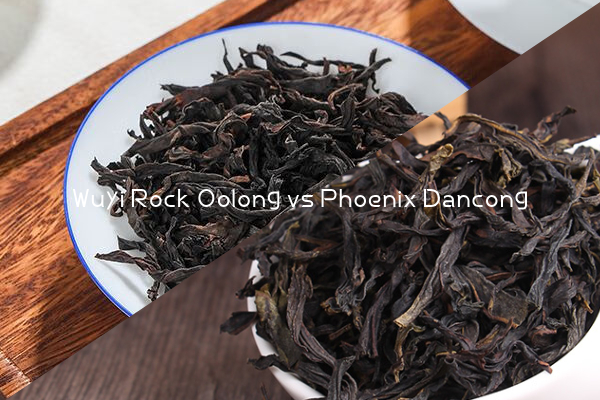
In the world of Chinese oolong tea, two titans stand above the rest: Wuyi Rock Oolong and Phoenix Dancong Oolong. Both are legendary, complex, and highly sought after by tea lovers. But they are profoundly different. Which is better, Wuyi or Dancong? This is the ultimate showdown, a deep dive into what makes each of these teas a champion in its own right. By the end, you’ll know exactly which one deserves a place in your cup.
Choosing Your Champion: Wuyi Rock or Phoenix Dancong Oolong?
Imagine two masters of martial arts. One is a stoic, powerful monk, his strength rooted in the very earth he stands on. The other is a graceful, agile dancer, his movements an unpredictable symphony of expression. This is the essence of the Wuyi Rock Oolong Tea vs Phoenix Dancong Oolong debate. They are both masters of flavor, but their philosophies are worlds apart. This guide will compare them side-by-side, so you can choose your champion.
The Terroir: Where Legends are Born
The story of any great tea begins with the land, or its terroir. This is the number one factor in understanding what is the difference between rock oolong and dancong.
The Rocky Cliffs of Wuyi Mountains, Fujian
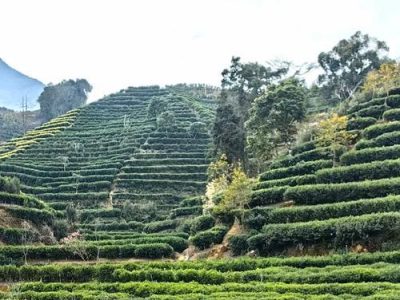
Wuyi Rock Oolong Tea, also known as Yancha, is born from the dramatic, mineral-rich cliffs of the Wuyi Mountains in Fujian province. The tea bushes grow in the cracks of these rocks, their roots digging deep into a unique, nutrient-dense soil. This harsh, rocky environment is not just a location; it’s the primary ingredient that gives the tea its signature character.
The Misty Heights of Phoenix Mountain, Guangdong
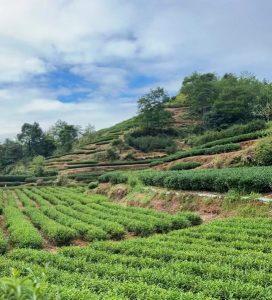
Phoenix Dancong Oolong, on the other hand, comes from the misty, high-altitude peaks of Phoenix Mountain (Fenghuang Shan) in Guangdong province. Here, the focus is on individual tea trees or “bushes,” many of which are hundreds of years old. The rich, humid soil and foggy climate create the perfect conditions for developing astonishingly complex aromatics.
The Craft: Two Paths to Oolong Perfection
While both are oolongs, their crafting philosophies diverge, leading to their unique flavor profiles.
Wuyi Yancha: The Art of Roasting and “Rock” Infusion
The soul of Wuyi Rock Oolong is its roast. After processing, the leaves undergo a series of careful, slow charcoal roasts over many hours or even days. This masterful roasting doesn’t just dry the tea; it transforms it, creating deep, comforting flavors and embedding the “rock” essence from the terroir into the leaves.
Phoenix Dancong: The “Single Bush” Philosophy
The philosophy behind Phoenix Dancong is to capture and amplify the unique natural fragrance of a single tea bush (Dan Cong means “single bush”). The leaves are processed with incredible skill to avoid overpowering their inherent aroma. The goal is mimicry—to produce a tea that smells exactly like a specific flower or fruit, without adding anything to it.
The Flavor Showdown: Tasting “Rock Rhyme” vs. “Single Bush Aroma”
Here is where the two champions truly show their differences. The tasting experience is where you’ll find your personal preference.
The Profile of Wuyi Rock Oolong: Mineral, Roasty, and Deep
The wuyi rock oolong flavor profile is defined by its depth and texture. The initial taste is often roasty and warming, with notes of dark chocolate, cinnamon, and caramel. But beneath that is a distinct mineral quality, a feeling on the tongue that is both grounding and complex.
What is “Yan Yun” (Rock Rhyme)?
This mineral character is called Yan Yun, or “Rock Rhyme.” It’s not a single flavor but a combination of texture, aftertaste, and feeling. It is a smooth, thick, and long-lasting sensation in the throat that speaks directly of its rocky origins. It’s what makes Wuyi Oolong truly unique.
The Profile of Phoenix Dancong: A Symphony of Floral and Fruity Notes
The phoenix dancong oolong taste is all about the aroma. It is an explosion of natural fragrance. Depending on the bush, you can find teas that taste uncannily of honey orchid, gardenia, almond, or even mango. It is vibrant, high-pitched, and incredibly aromatic.
Understanding “Dan Cong Xiang” (Single Bush Aroma)
This is the famous Dan Cong Xiang, or “Single Bush Aroma.” It refers to the specific, naturally occurring fragrance of that one variety of tea bush. The tea master’s job is to perfectly preserve and present this aroma in your cup. It’s a testament to the magic of nature and masterful craft.
Brewing Recommendations: How to Unlock Their Best Flavors
Your brewing guide for these two teas will also differ, as each requires a slightly different approach to shine.
Brewing Wuyi Rock Tea: Higher Temperature, Patience is Key
To penetrate the tightly rolled leaves and awaken its deep, roasty notes, Wuyi Rock Tea loves high heat. Use boiling water (100°C / 212°F). The infusions can be slightly longer, allowing the “Rock Rhyme” to fully emerge. This tea is very patient and will yield many infusions.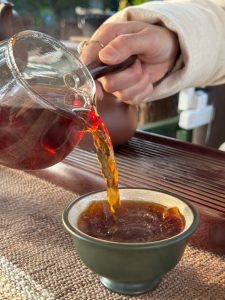
Brewing Phoenix Dancong: Quick Steeps to Capture the Aroma
For Phoenix Dancong, the goal is to capture its fleeting, beautiful aroma. Use slightly cooler water (90-95°C / 195-205°F) and very quick infusions, especially for the first few steeps. This prevents the delicate floral notes from becoming bitter and ensures you get a pure aromatic experience.
Which Oolong is Right for You? A Quick Guide to Choose
So, how do you pick your champion when you’re looking for an oolong tea for sale?
Choose Wuyi Rock Oolong If You Love…
-
Deep, warming, and comforting flavors like roasted nuts, dark caramel, and cinnamon.
-
A thick, full-bodied texture and a long-lasting mineral aftertaste (Yan Yun).
-
A tea that feels grounding, complex, and sophisticated.
Choose Phoenix Dancong Oolong If You Love…
-
Vibrant, high-pitched, and expressive aromas of flowers and fruits.
-
A tea that is an aromatic adventure, surprising you with different notes.
-
A brew that is elegant, fragrant, and lively.
Conclusion: Two Kings, One Throne in Your Teacup
In the end, there is no single winner in the Wuyi Rock Oolong Tea vs Phoenix Dancong Oolong showdown. There are only two different expressions of oolong perfection. One offers the profound, stoic strength of the mountains; the other offers the breathtaking, expressive beauty of a single, perfect blossom. The real winner is the tea lover who gets to experience both. The only question left is, which king will you invite to your teacup first?
Intrigued by the mineral depth and lingering finish? . Captivated by the symphony of natural aromas? .
FAQ: Your Oolong Tea Questions Answered
Can I use the same Yixing teapot for both?
It’s generally recommended to dedicate one Yixing teapot to one type of tea to preserve the purity of its seasoning. Since Wuyi Rock and Phoenix Dancong have very different flavor profiles (roasty vs. floral), it’s best to use separate teapots for them to get the truest taste from each.
Which one is generally more expensive?
The price for both can vary dramatically based on origin, harvest, and craft. However, the most famous and sought-after Wuyi Rock Oolongs from the core production area (Zheng Yan) tend to be among the most expensive teas in the world. High-end, single-tree Dancongs can also be very valuable.
As a beginner to oolong, which should I try first?
A great starting point could be a more affordable Phoenix Dancong, like Honey Orchid Fragrance, as its aromatic profile is often immediately captivating. If you prefer more comforting, less floral flavors, a good quality Wuyi Rock Oolong will be a wonderful introduction to the world of “rock rhyme.”
Where can I buy high-quality premium oolong tea?
To buy premium oolong, it is crucial to find a specialized vendor who provides detailed information on the tea’s specific origin and harvest. At