

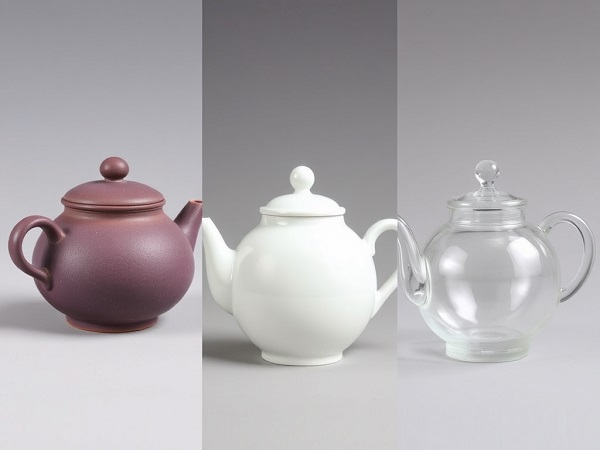
When you decide to choose a teapot, the sheer number of options can be overwhelming. The most important decision you’ll make is the material. Does it really matter? Absolutely. The material of your teapot is the single most important factor, apart from the tea itself, that will influence the final flavor in your cup. This tea ware material guide will compare the three most popular choices: Yixing clay, porcelain, and glass.
The Ultimate Teaware Showdown: Yixing, Porcelain, or Glass?
Welcome to the ultimate teaware showdown. In one corner, we have the legendary Yixing purple clay, the flavor enhancer. In another, the pure and honest porcelain, the truth teller. And in the third, the beautiful glass, the visual performer. This guide will objectively compare their strengths and weaknesses to help you determine the best tea ware material for your brewing style. This is the definitive Yixing vs. Porcelain vs. Glass comparison.
Yixing Purple Clay: The Flavor Enhancer
The Yixing teapot is a legend in the tea world, prized by connoisseurs for its unique ability to interact with and improve the tea.
Pros: Enhances Flavor, Excellent Heat Retention, Develops a Patina
Yixing clay is porous. It absorbs the oils from the tea, and over time, it becomes “seasoned.” This seasoning rounds out any harsh notes in a tea, making it taste smoother and richer. It also has excellent heat retention, which is perfect for fully extracting flavor from robust teas. Plus, it develops a beautiful, personal patina over years of use.
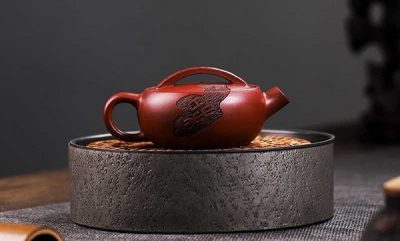
Cons: Porous (Needs to be Dedicated), More Expensive, Fragile
Its greatest strength is also its weakness. Because it’s porous, you must dedicate one pot to one type of tea to avoid mixing flavors. Authentic, handmade Yixing teapots are also a significant investment, and like all ceramics, they are fragile.
Best For: Oolongs (especially roasted) and Puerh Teas
A Yixing teapot is the ultimate partner for roasted oolongs and all types of Puerh tea. Its properties are perfectly suited to enhancing their deep, complex flavors.
Porcelain: The Truth Teller
If you want to taste the pure, unadulterated flavor of a tea, a porcelain teapot or Gaiwan is your best friend.
Pros: Flavor Neutral, Easy to Clean, Shows True Liquor Color
Porcelain is non-porous and has a glaze. This means it will not absorb any aroma or flavor, allowing you to taste the tea exactly as the tea master intended. It is incredibly easy to clean and its white surface beautifully displays the true color of the tea liquor.
Cons: Good but not Superior Heat Retention, Fragile
While porcelain holds heat well, it is not quite as effective as the thicker walls of an Yixing pot. And, of course, it is fragile and can break if dropped. This is a key factor in the glass vs ceramic teapot debate as well.
Best For: Green, White, Yellow, and high-aroma Oolong Teas
Porcelain is the top choice for delicate teas where you want to preserve every subtle note. It’s the best teaware for green tea, white tea, yellow tea, and highly aromatic, floral oolongs like Phoenix Dancong.
Glass: The Visual Performer
A glass teapot brings a different dimension to tea brewing: the beauty of the process itself.
Pros: Visually Stunning, Flavor Neutral, Inexpensive
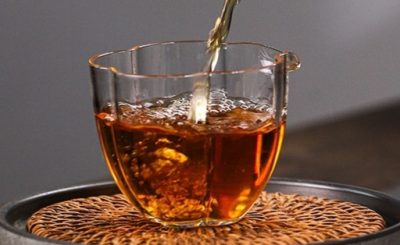
The main benefit of glass is its transparency. You can watch the tea leaves “dance” and unfurl, a beautiful and meditative experience. Like porcelain, it is flavor-neutral, so you taste the true character of the tea. Glass teapots are also generally the most affordable option.
Cons: Poor Heat Retention, Can Be Fragile
Glass has the poorest heat retention of the three. It cools down quickly, which can be a disadvantage for teas that require high, stable temperatures. It is also the most prone to breaking from both impact and sudden temperature changes (if not made from borosilicate glass).
Best For: Green Teas with beautiful shapes, Blooming Teas
Glass is perfect for “showcase” teas where the appearance of the leaves is part of the appeal. This includes beautifully shaped green teas like Taiping Houkui and, of course, artisanal blooming or flowering teas.
At a Glance: A Comparison Chart
| Feature | Yixing Purple Clay | Porcelain | Glass |
|---|---|---|---|
| Flavor Impact | Enhances/Mellows | Neutral (True Flavor) | Neutral (True Flavor) |
| Heat Retention | Excellent | Good | Poor |
| Best For | Roasted Oolong, Puerh | Green, White, Floral Oolong | Visual Teas, Green Teas |
| Versatility | Low (Dedicated Pot) | High | High |
| Durability | Fragile | Fragile | Very Fragile |
| Price Range | High | Medium | Low to Medium |
So, Which Teapot Should You Choose?
Now that you know the differences, let’s help you choose a teapot based on your needs.
If You Are a Beginner…
A porcelain Gaiwan or a glass teapot is your best starting point. They are versatile, easy to clean, and will allow you to learn the true taste of different teas without a large financial investment.
If You Primarily Drink Oolong and Puerh…
If you are a serious drinker of roasted oolongs or Puerh, investing in a quality Yixing teapot will dramatically elevate your experience. The way it smooths and enriches these teas is unmatched.
If You Love Green and White Teas…
Stick with porcelain or glass. These materials will best preserve the delicate, fresh, and floral notes of these unoxidized or lightly oxidized teas.
Conclusion: The Right Tool for the Right Tea
In the Yixing vs. Porcelain vs. Glass debate, there is no single winner. Each material is a specialized tool designed for a specific purpose. The true art of tea lies in choosing the right tool for the right tea to create the most beautiful experience. By understanding their unique properties, you can now build a teaware collection that honors every leaf.
Now that you know the strengths of each material, you can choose the perfect teaware for your favorite brew. .
FAQ: Your Teaware Material Questions Answered
What about ceramic teapots? How are they different from porcelain?
Porcelain is a type of high-fired ceramic. It is denser and less porous than general ceramics or stoneware. While both are great, porcelain is generally considered more refined and better for preserving the delicate aromas of high-end teas.
Is there one teapot I can use for all teas if I only want to buy one?
If you must choose only one, a porcelain Gaiwan is the most versatile tool in the world of tea. Its neutrality means you can brew any tea type in it without mixing flavors, giving you a true taste every time.
Does the thickness of the material matter?
Yes. A thicker-walled pot, regardless of material, will have better heat retention than a thin-walled one. This is why many teapots designed for black or Puerh tea have thicker walls to maintain high brewing temperatures.
Where can I find a selection of all three types of teaware?
A specialized chinese tea ware shop is your best choice. At